
St Mary’s awarded most sustainable school in the Western Cape
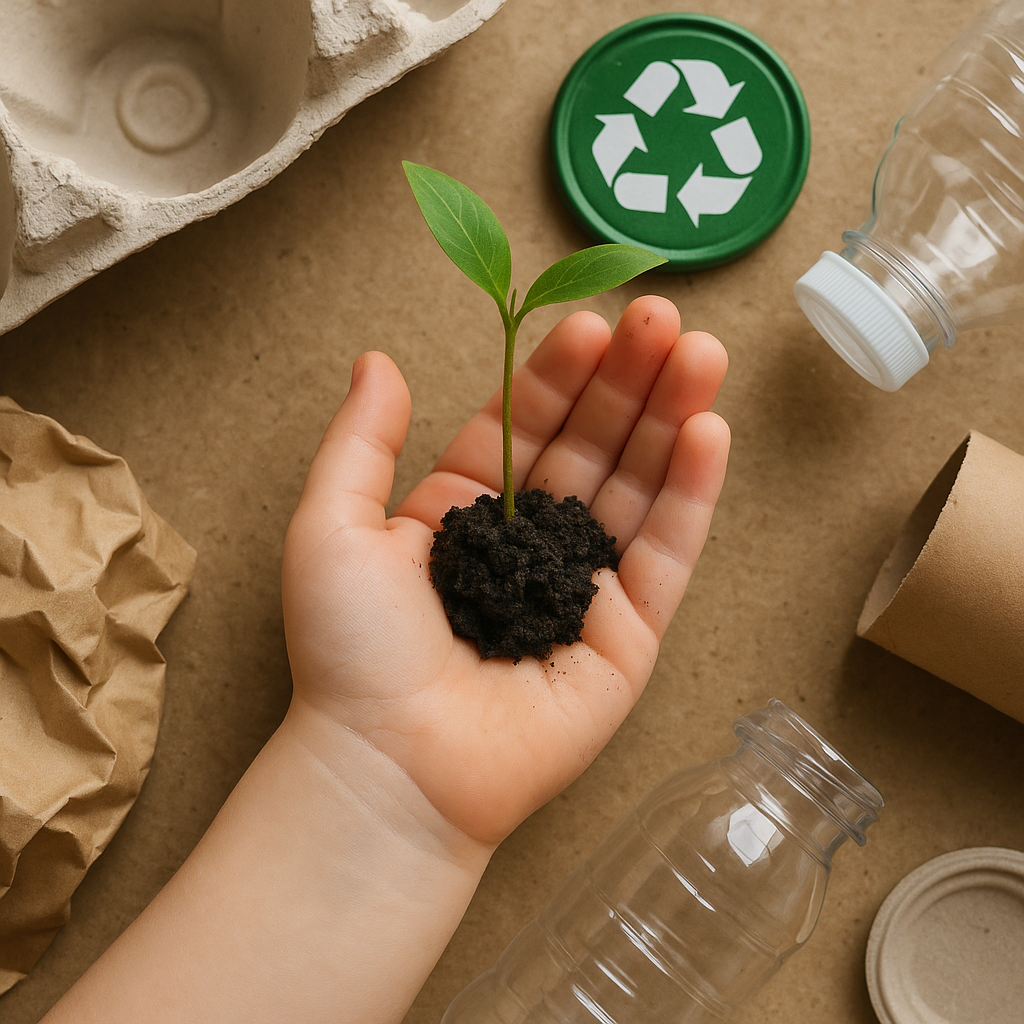
Western Cape schools integrate eco-lessons into daily practice, celebrating sustainability achievements at the 2026 Rewards Ceremony.
Western Cape schools are rocking the green world! 312 schools turned eco-friendly ideas into everyday actions, showing everyone how it's done. They cut down waste, saved energy, and even grew their own food. It's like magic, turning old trash into new treasures and making their communities stronger. These schools prove that being green isn't just a dream, it's a super cool way of life that helps everyone!
How did 312 Western Cape schools integrate sustainability into their daily operations?
312 Western Cape schools successfully integrated sustainability through a comprehensive program that included energy audits, waste reduction, biodiversity projects, and cross-curricular learning. They leveraged micro-grants and community bartering, converting "green theory" into practical daily habits, leading to significant environmental and even economic benefits.
Get Cape Town news in your inbox
Stay updated with the latest stories from the Mother City.
1. From Audit to Anthem: A Ceremony That Started with Trash and Ended with a Soundtrack of Birds
The final Friday of February 2026 felt more like a design runway than a prize-giving. A marimba troupe stepped onto the Zeitz MOCAA stage clad in waistcoats woven from soda-can tabs and tailor-shop scraps, letting the audience know this was not another paper-certificate morning. That wardrobe choice - part sculpture, part protest - framed the entire Sustainable Schools Western Cape gathering as a celebration of systems, not stickers.
Nature Connect’s travelling showcase had already wound through Limpopo’s hot mopane veld and KwaZulu-Natal’s cane country before docking in Cape Town. By curtain time, 312 institutions had couriered evidence packs: spreadsheets, learner journals, watt-meter photos, and drone clips that, when compressed, still tipped the scales at 4.7 GB. A presenter joked the bundle’s carbon cost equalled one Joburg hopper flight - then pointed to the roof where Silvermine Academy’s 46 kW array was cancelling the event’s footprint in real time. Every slide change chirped a different birdcall, a running gag that kept the carbon elephant in the room visible.
Inside the galleries, popcorn-style displays let visitors taste, touch, and smell the innovations: jars of spekboom powder, vegan brownies baked with black-wattle flour, and a 3-D printer cranking out replacement weather-station parts. The takeaway: the province has quietly converted “sustainability” from optional extramural to default firmware.
2. Swallow Wings and Maths Crumbs: The Pre-Award Workshop That Tricks Adults Into Feeling Like Kids
Before any trophies surfaced, organisers herded 220 educators into a dim ground-floor gallery for a 90-minute re-enactment of migration. Using BirdLife South Africa’s picture-book Run Until You Can Fly, facilitators turned lecturers into long-distance swallows flapping cardboard wings across an animated wetland map. Whenever the Misverstand Dam shoreline shrank on the projection, staff clipped a corner off each teacher’s wing, a visceral demo of how habitat loss saps flight energy.
By the time lights came up, the concrete floor glittered with red triangles. Participants gathered the torn-off pieces into repurposed ice-cream tubs pre-loaded with soil, converting debris into impromptu seedling trays. The lesson is now being zipped into a Creative-Commons facilitator pack and parked on the provincial education portal, so a teacher under a mango tree with patchy data can still replicate the experience.
The exercise doubled as a covert refresher on cross-curricular planning: geography met biology, art fed physics, and drama sneaked into data analysis. New KPIs were hinted at too - expect future scorecards to reward any school that smashes subject silos the way those paper wings were snapped.
3. Three Stars, Many Recipes: How Awards Were Won With Tofu Smoked on Invasive Wood
Sustainable Schools hands out one to three stars after interrogating 27 indicators, from “learner energy patrol rosters” to “biodiversity logs less than a year old.” For 2025 the Western Cape slipped in a stealth 28th checkbox: “proof of trans-disciplinary disruption.” That clause unlocked the weirdest collaborations. Pinelands High’s winning entry came from Domestic Science learners teaming with coders to publish a vegan cookbook whose ingredients are all aliens - think black-wattle-smoked tofu and blackberry crumble.
Each online download triggers an algorithm that funds a spekboom cutting in the Cape Flats; an NGO plants it, drops a GPS pin on WhatsApp, and logs the offset. The cookbook went live four weeks before the ceremony; 3,800 downloads have already pushed the project carbon-negative two months ahead of schedule. Other winners mixed chemistry with accounting: one primary school printed QR-coded currency that learners earn by recycling and spend at a tuck-shop stocked with seedlings.
The math of behaviour change is now public. Nature Connect revealed that a three-star year costs, on average, R26,300 in hard cash plus 1,400 learner-teacher hours. Micro-grants - Rotary hand-outs, bakery “green bun” drives, MySchool card swipes - supplied 71 % of that figure. Because funding arrives in puzzle pieces, no single donor pull-out can sink a project; every starred school kept its constellation even during mid-winter load-shedding.
4. Budgets, Breakages and Beyond: The Quiet Deals That Promise to Outlive the Trophies
Wealth proved a lousy predictor of victory. St Mary’s RC Primary on Nyanga’s fringe charges R1,650 a year yet scooped three category wins plus the overall Most Sustainable School title. Deputy principal Nompumelelo Klaas traces success to circular bartering: kitchen scraps go to a neighbouring piggery, manure returns for tunnel veggies, surplus spinach is bought back to feed the pigs, trimming R18,000 off the feeding-scheme bill. The surplus purchased 40 refurbished tablets now used for iNaturalist blitzes; learners have clocked 217 species on a 0.8-hectare campus, including an urban-first Cape dwarf chameleon sighting after a 14-year absence.
Special-needs campuses joined the party. Bel Porto School, serving learners with Down syndrome and autism, co-created a sensory trail where braille labels meet scent jars - wild rosemary for renosterveld, vinegar for alien-alert zones. Learners sell the jars at weekend markets; profits buy swim-therapy slots, proving eco-work can double as therapy when cognition is channelled through smell and touch.
Rural upsets stole the national slot. Monala Primary, a no-fee Alldays farm school, grew enrolment from 187 to 312 since 2022 after adding solar geysers, a 1.2 kW PV array, and daily protein grown on-site. Lapalala Wilderness School embeds staff on rotation so lessons never stall for teacher training. Learners run camera traps that feed leopard IDs into Panthera’s global database, giving village children authorship in peer-reviewed research. Their 2025 energy audit logged a 64 % grid-electricity cut, saving R42,000 - enough to hire an unemployed parent as full-time gardener-eco-monitor, an economic feedback loop seldom caught in GDP spreadsheets.
Hardware mortality is baked into the plan. A side table displayed “dead tech” martyrs - mongoose-chewed weather stations, rain-fried solar jars - each paired with a laminated repair protocol. Silvermine’s IT learners now print spare knobs on open-source files; Sweet Valley’s Grade 4s solder sensors back to life during class time. The takeaway for donors: gadgets die, but the culture of fixing persists long after funders exit.
Policy gears are shifting too. The Western Cape Education Department soft-launched a “Green Audit Trigger”: any school requesting capital upgrades after April 2026 must append a learner-compiled sustainability audit, even for unrelated fixes like roof leaks. Officials confess the rule is intentionally bothersome; they want quantity surveyors to meet child-generated data and, in the process, groom a workforce fluent in life-cycle analysis.
After the confetti settled, a courtyard pop-up economy emerged. Urban learners flush with tree-credit sponsors shook hands with counterparts from the bush: R8,000 of city carbon money will fund leopard collars, while rural teens will record indigenous water folklore for a multilingual city app. The contract was sealed under a gazebo stitched from reclaimed yacht sails ink-stamped with its footprint: “17 kg CO₂e, offset by spinach bed 2026/SS/WC/14.” No adults, no press release - just kids minting and trading environmental currency without ever mentioning Glasgow or Davos.
Evening dispersal saw educators swapping seed packets scribbled with WhatsApp handles. A tray of spekboom biscuits circulated, each embossed with a QR code that unfurls the parent cutting’s GPS coordinates and the name of the pupil who potted it. By nightfall the hashtag #SSWC26 had flitted up local Twitter, yet the true metric will sprout months later: will torn-off red paper triangles from the swallow workshop re-emerge as shrubs, will the biscuits travel beyond provincial borders, and will next year’s 4.7 GB of evidence weigh even less because the kilowatts were never consumed in the first place?
How did 312 Western Cape schools integrate sustainability into their daily operations?
312 Western Cape schools successfully integrated sustainability by transforming "green theory" into practical daily habits. This involved a multi-faceted approach including energy audits, waste reduction programs, biodiversity projects, and incorporating environmental themes into their curriculum. They also leveraged micro-grants and community bartering, such as exchanging kitchen scraps for manure, to fund and sustain their initiatives.
What kind of evidence did schools provide to showcase their sustainability efforts?
Schools provided a diverse range of evidence to demonstrate their sustainability initiatives. This included traditional documentation like spreadsheets and learner journals, as well as more innovative proofs such as watt-meter photos, drone clips, and even physical displays like jars of spekboom powder, vegan brownies made with black-wattle flour, and 3-D printed replacement parts for weather stations. This comprehensive collection highlighted both the practical and educational aspects of their programs.
How did the pre-award workshop engage educators in the concept of habitat loss and cross-curricular learning?
The pre-award workshop used an interactive simulation where educators became migrating swallows with cardboard wings. As the simulated habitat (Misverstand Dam shoreline) shrank, pieces were clipped from their wings, providing a visceral understanding of habitat loss. The torn pieces were then used to create seedling trays, linking the activity to restoration. This exercise cleverly integrated geography, biology, art, physics, and drama, demonstrating the power of cross-curricular planning to break down subject silos.
What innovative methods did schools use to achieve their sustainability stars, particularly in the "trans-disciplinary disruption" category?
For the "trans-disciplinary disruption" category, schools developed highly innovative and collaborative projects. Examples include Pinelands High's Domestic Science learners teaming with coders to create a vegan cookbook using invasive alien species ingredients (like black-wattle-smoked tofu), where each download funded spekboom planting. Another school printed QR-coded currency earned by recycling, which learners could spend at a seedling tuck-shop. These initiatives showcased creative problem-solving and subject integration.
How did schools, including those with limited resources or special needs, demonstrate that wealth is not a predictor of sustainable success?
Wealth proved to be a poor predictor of success, with schools like St Mary's RC Primary in Nyanga (charging minimal fees) winning top awards through circular bartering. They exchanged kitchen scraps for manure, reducing feeding scheme costs and using savings for educational technology. Bel Porto School, for learners with Down syndrome and autism, created a sensory trail with braille labels and scent jars, with profits funding swim therapy. These examples highlight resourcefulness and community engagement over financial advantage.
What are the long-term implications and policy shifts resulting from the Sustainable Schools program?
The program is leading to significant long-term implications and policy shifts. The Western Cape Education Department is soft-launching a "Green Audit Trigger," requiring schools requesting capital upgrades to submit a learner-compiled sustainability audit. This aims to embed life-cycle analysis skills in future workforces. Furthermore, the program fosters a culture of fixing and innovation, ensuring that the impact of sustainability initiatives continues long after initial funding or equipment lifespans, as evidenced by schools repairing broken tech with 3D-printed parts or soldering sensors.

Chloe de Kock is a Cape Town-born journalist who chronicles the city’s evolving food culture, from township braai joints to Constantia vineyards, for the Mail & Guardian and Eat Out. When she’s not interviewing grandmothers about secret bobotie recipes or tracking the impact of drought on winemakers, you’ll find her surfing the mellow breaks at Muizenberg—wetsuit zipped, notebook tucked into her backpack in case the next story floats by.
View all articles →