
Stables Restaurant at iconic Vergelegen Estate closed after devastating fire
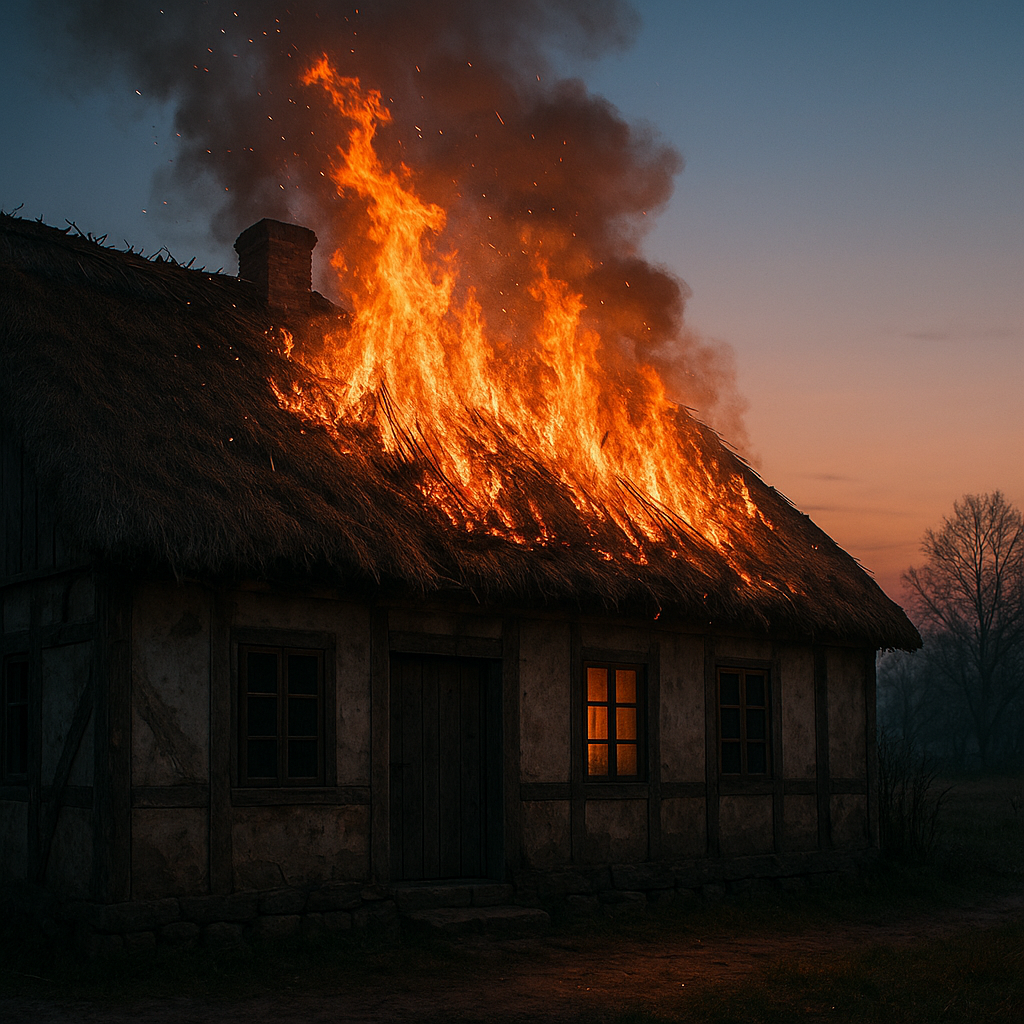
A 4:17 a.m. blaze at Vergelegen, a 322-year-old wine farm, triggered an invisible protocol, saving heritage and revealing hidden stories.
Vergelegen, a famous wine farm, faced a huge fire that destroyed its restaurant but luckily saved its old buildings and vineyards. Thanks to smart fire systems and quick staff, everyone was safe. This event led to a cool new "Phoenix Experience" for visitors and even uncovered some really old treasures, showing how the farm bounced back stronger than ever.
What happened to Vergelegen wine farm?
Vergelegen wine farm experienced a severe fire that destroyed The Stables restaurant but, thanks to advanced fire detection systems and swift staff action, prevented loss of life and saved the historic estate buildings and vineyards. The incident led to an innovative "Phoenix Experience" for visitors and revealed historical artifacts.
Get Cape Town news in your inbox
Stay updated with the latest stories from the Mother City.
1. The Spark That Beat the Sun to Work
Somerset West’s mountain was still sealed in night-blue when a goat-shed lens caught the first pixel of orange. Ninety seconds later that dot grew a tongue; four minutes after that it licked the dry thatch of The Stables restaurant. At 4:22 a.m. the estate’s genteel WhatsApp group - usually debating rose varieties for weddings - erupted: “Fire overhead. Out. NOW.”
Security guards sprinted uphill with hand-held extinguishers while the night concierge bolted across the croquet lawn still in hotel slippers. Inside the heritage guesthouse, sleeping strangers woke to knocks that sounded like gunshots. A British travel writer researching “quiet solo escapes” grabbed passport, phone and the first pair of shoes she saw - strappy heels - before sprinting past 300-year-old oaks glittering with embers.
No human torches, no theatrical explosions, just the soft roar of thatch turning to torchlight and the smell of campfire where no campfire was ever meant to be. Within seven minutes the mountain breeze had gift-wrapped the flames around the restaurant’s 1998 timber skeleton, challenging four centuries of Cape composure.
2. The Silent Grid That Phoned the Fire Brigade
Tourists come for camphor trees and Cabernet, yet few know Vergelegen doubles as a guinea-pig for the provincial “Heritage Fire Grid.” After Knysna’s 2017 nightmare, insurers quietly paid estates to thread hair-thin fibre-optic cable through roof cavities and park 3 000-litre foam bladders every fifty metres. The goal: spot heat before humans can even spell “help.”
At 4:19 a.m. the loop clocked 68 °C, fired off a data packet, and triggered the station sirens while the security manager was still tugging on trousers. Three municipal trucks and the farm’s own Unimog 4×4 thundered up the oak avenue before a single guest had tied shoelaces. Insurers bankroll the hardware; the estate supplies the nerve endings. Tuesday’s invoice will still sting, but premiums stay frozen and history keeps its beams.
Meanwhile the WhatsApp group turned into a live ops board: maintenance killed high-voltage cellar feeds, hospitality marshalled guests at the rose garden, and finance - laptop under arm - backed up the server while smoke billowed behind the car-park olive trees. A drill nobody ever rehearsed suddenly looked like Broadway choreography.
3. Evacuation in Socks, Diamonds and Mylar
The estate’s 21 rooms were 94 % full that night, a post-COVID record. Out they poured: a German plastics heir clutching anniversary champagne, a Cape Town chef furious that his “digital detox” now included sirens, a Joburg couple still wearing matching wedding rings the size of small meteors. Staff wrapped them in marathon-grade Mylar sheets and led the parade past the herb garden where thyme snapped in the heat.
Head-count on the croquet lawn: 46 guests, 22 staff, three dogs, zero panic. The only casualty was a twisted ankle - Code Green - when a stiletto kissed gravel. Sommelier Angelo, nose-pin still glinting, kept the roll-call rhyming like poetry: “Family of four, present; travel journo in heels, present; tortoise Timothy, still en route.” Laughter cracked the tension before the choppers arrived.
Fire teams pushed the herd further downhill while hoses laid silver snakes across the lawn. By sunrise the mountain wore a black moustache, the restaurant’s roof was a gaping charcoal grin, yet every life - human, canine, reptilian - was accounted for among the jacarandas.
4. Flames Meet Their Match - And the Fallout Nobody Posted
The Stables already carried burn scars from 2006, when a faulty wire nipped the scullery. Re-builders then chose eco-boron over heavy retardants, trusting modern sprinklers to finish the job. This time flames sprinted across thatch, hit the treated Oregon-pine trusses and slowed to a shuffle, gifting crews a ten-minute window that felt like ten hours on live TV. Skeleton intact, the blackened frame now sells low-toxicity flame defence better than any brochure.
Above the blaze, helicopters guzzled irrigation-dam water, their downdraughts bending Chardonnay canes like pipe-cleaners. Viticulturist Rudolf killed the centre-pivot, sacrificing lawn to save vines, while a baboon nabbed a five-litre tub of salted-caramel ice cream and paraded across the 12th green like a conquered hero. Social media crowned him #BaboonBourbon before breakfast.
Cellar power died at 5:05 a.m.; 3.8 million litres of future claret went dark at 28 °C. Assistant winemaker Zanie Bester flooded tanks with nitrogen, creating a zero-oxygen nap for baby wines until a mobile generator the size of a container ship landed by air. Twelve hours later lab techs recorded a microscopic SO₂ dip - 2 ppm, basically a rounding error. The vintage snored through Armageddon.
Smoke-taint paranoia followed fast. Two hundred berries nearest the plume flash-froze in liquid nitrogen and sprinted to Stellenbosch University; early gas-chromatography whispered guaiacol below the human sniff-test. Still, the farm quietly ordered five tonnes of American oak chips - just-in-case makeup for a wine that hasn’t yet met its barrel.
Then came bookings. By 9 a.m. the website buckled under 32 000 clicks - South Africans love a good disaster selfie. Marketing minted the “Phoenix Experience”: R120 for a fire-line walk ending in a sip of 2019 DMZ Cabernet. Five hundred slots vanished in 42 minutes; proceeds fund volunteer firefighters who still smell of wet ash.
Insurance adjusters in hard-hats compared fresh damage to 2021 LIDAR scans and found a hidden loft above the feed store. Inside: two 18th-century ledgers, a naval compass and a mould-kissed bottle with a hand-blown pontil scar - pre-Napoleon booty now resting in a nitrogen fridge while scholars debate whether to biopsy the contents. The ledgers list wages paid to “kinderen van de Kaap,” a contradiction that could redraw the farm’s slavery story.
Head chef Michael Broughton lost a R70 000 dry-ageing fridge but unveiled “Smoke & Mirrors” 36 hours later: tomato consommé filtered through oak-charcoal, snoek brandade whipped with estate Viognier, burnt-mandarin sorbet from half-roofed citrus trees. Finish all three and you pocket a brushed-aluminium key-ring extinguisher - empty, photogenic, trending by lunch.
Beyond the headline dazzle, biology crept back. Telemetry antennas located five leopard tortoises; an eagle-owl couple relocated from scorched pine to blue-gum; 2 000 Buckfast bees checked into a guest loo until a new hive arrived. Education officials sketched an outdoor classroom where teenagers will track fynbos rebound against invasive pine, proving science can sprout from soot.
The six national-heritage camphors recorded 67 °C bark heat - one degree under cambium death - leaving cracks that smell, staff swear, like “Vicks meeting Christmas.” Arborists now inject fungicide against beetle gate-crashers while an unclassified moth flutters around the wound, drunk on camphor perfume.
Contractors whisper of an Easter re-opening, swapping thatch for a grey-water-fed sedum blanket. Bets are open in the tasting room: whoever guesses the ribbon-cutting date wins a double-magnum of 1998 vintage. Meanwhile, temporary solar path-lights flicker amber where coals once glowed, guiding twilight visitors who swear they can taste yesterday’s smoke in tonight’s glass - proof that Vergelegen’s next 300 years just found a prologue written in flame.
[{"question": "
What happened at Vergelegen wine farm?
", "answer": "Vergelegen, a renowned South African wine farm, experienced a significant fire that destroyed its Stables restaurant. Fortunately, due to advanced fire detection systems, the quick actions of staff, and the estate's 'Heritage Fire Grid,' historic buildings, vineyards, and all individuals on the property were saved. This event led to the creation of a new 'Phoenix Experience' for visitors and even unearthed ancient treasures, symbolizing the farm's resilience."},{"question": "How was the fire at Vergelegen quickly detected and managed?
", "answer": "The fire was detected by an advanced 'Heritage Fire Grid' system, which uses fiber-optic cables to spot heat. At 4:19 a.m., the system detected 68 °C, triggered alarms, and notified the fire brigade before staff were even fully aware. This rapid detection, combined with the farm's own fire-fighting resources and a well-drilled staff response, allowed for immediate action and containment, preventing further damage."},{"question": "How were guests and staff evacuated during the fire?
", "answer": "Guests from the 21 rooms, which were 94% full, were swiftly evacuated. Staff, including the night concierge and sommelier, helped guide 46 guests and 22 staff members to safety on the croquet lawn. They were wrapped in Mylar sheets for warmth and comfort, and remarkably, there were no serious injuries, with even a tortoise named Timothy accounted for. The organized evacuation demonstrated excellent preparedness and calm under pressure."},{"question": "What measures were taken to protect the vineyards and historical artifacts?
", "answer": "During the fire, the viticulturist sacrificed lawn irrigation to ensure water was available for the helicopters fighting the blaze, protecting the Chardonnay canes. The cellar's power was cut, and assistant winemakers flooded tanks with nitrogen to preserve the 3.8 million liters of wine until a mobile generator arrived. Furthermore, the fire's aftermath unexpectedly revealed a hidden loft containing 18th-century ledgers and a pre-Napoleon bottle, offering new insights into the farm's history, including potential information about its slavery story."},{"question": "How did Vergelegen \"bounce back stronger\" after the fire?
", "answer": "Vergelegen demonstrated remarkable resilience by introducing the 'Phoenix Experience,' allowing visitors to tour the fire line and enjoy a wine tasting, with proceeds funding volunteer firefighters. The farm also innovated with its culinary offerings, with the head chef unveiling a 'Smoke & Mirrors' menu inspired by the event. Biologically, wildlife such as leopard tortoises and an eagle-owl couple were relocated, and plans for an outdoor classroom to track fynbos rebound were initiated. The incident also led to the discovery of historical artifacts, enriching the farm's narrative."},{"question": "What new experiences can visitors expect at Vergelegen after the fire?
", "answer": "Visitors can now experience the 'Phoenix Experience,' which includes a unique walk along the fire line, culminating in a tasting of the 2019 DMZ Cabernet. The estate's head chef has also created a new 'Smoke & Mirrors' menu featuring dishes inspired by the fire, such as tomato consommé filtered through oak-charcoal. Additionally, the discovery of historical ledgers and artifacts offers a deeper engagement with Vergelegen's rich past, even potentially reshaping its historical understanding. While the Stables restaurant is being rebuilt, temporary measures ensure continued high-quality visitor experiences."}]
Hannah Kriel is a Cape Town-born journalist who chronicles the city’s evolving food scene—from Bo-Kaap spice routes to Constantia vineyards—for local and international outlets. When she’s not interviewing chefs or tracking the harvest on her grandparents’ Stellenbosch farm, you’ll find her surfing the Atlantic breaks she first rode as a schoolgirl.
View all articles →