
Storms River suspension bridge stayes open amid refubrishment
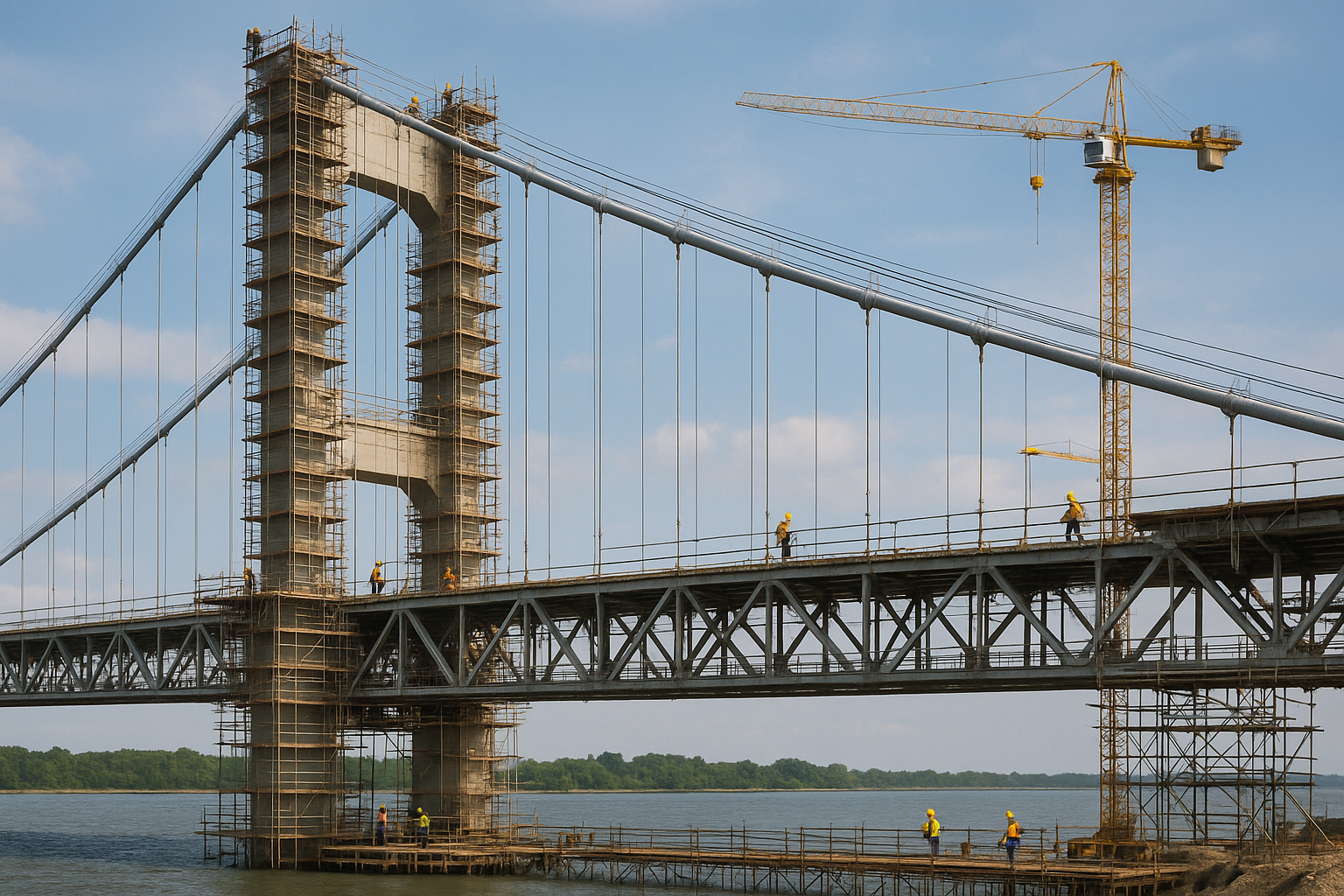
Storms River Mouth Suspension Bridge is undergoing a rebuild. Discover what to expect, new deadlines, and how to visit during construction.
The Storms River Suspension Bridge, a South African icon, is getting a huge makeover! Originally built in 1969 from recycled bits, it's now being fully rebuilt, plank by plank, for the first time. Even with the work, you can still walk across on a special catwalk, feeling the sway and seeing dolphins below. It's set to reopen on August 31, 2026, so get ready to visit this amazing spot!
When will the Storms River Suspension Bridge reopen?
The Storms River Suspension Bridge is currently scheduled to reopen on August 31, 2026, after its first full-scale rebuild. Original plans aimed for a June 23, 2026 reopening, but delays were caused by 42 rain days and 17 days of 4-meter swells that prevented the crane barge from operating.
Get Cape Town news in your inbox
Stay updated with the latest stories from the Mother City.
- Garden Route, South Africa*
1. From Scrap-Cable Icon to 2026 Overhaul
In 1969 four resourceful park rangers lashed the first bouncy walkway above the gorge, recycling diamond-dredge cables they’d hauled down from Namaqualand and yellowwood planks shattered by a lone elephant in Knysna. Fifty-five years, endless selfies and one salty spray bath later, the beloved span began to droop and creak. Corrosion reports finally forced SANParks to close the chequebook in 2024; scaffolding went up for the bridge’s first full-scale rebuild.
The upgrade is no cosmetic patch. Every stirrup, hanger and deck board is being replaced while the holiday show stays open. A parallel catwalk carries foot traffic past artisans who hot-dip-galvanise fresh steel above the breakers. Think of it as front-row seats at the theatre where high tide applauds the welders.
Because work proceeds one segment at a time, the classic “sway-in-the-seabreeze” sensation remains. You still feel that airy wobble under your soles, only now you also spot dolphins surfing the river mouth while sparks fly overhead.
2. How the “Open-During-Build” System Works
Engineers treat the construction zone like a revolving stage: they detach a single cable cluster, slide in a temporary bypass of identical width (2.1 m) and hang a second safety mesh 30 m beneath it. Visitors shuffle along this catwalk, collect a complimentary hard hat at either checkpoint and emerge on the far platform none the wiser.
The bounce is gentler than the old bridge, but not boringly rigid. If an anemometer clocks gusts above 55 km/h, staff wave everyone back; otherwise you cross unclipped, free to film the spectacle below.
Construction noise stays surprisingly low. Crews hand-torque bolts instead of pounding, sparing both nesting oystercatchers and your sunrise TikTok.
3. Key Dates, Queues and Ticket Tech
- Timeline snapshot*
- Original reopening: 23 June 2026
- Current reopening: 31 August 2026
-
Causes of slippage: 42 rain days, 17 days of 4 m swells that barred the crane barge.
-
Two looming closures*
- Mid-July, 06:00–10:00 daily for 15 days: north-anchor caisson swap (shore-to-bridge boardwalk stays open).
-
Early August: final cable tensioning with 15 t water-bag stress test.
-
Beat the queue*
Park gate unlocks 06:00; bridge kiosk 07:00. Reach the gate at 06:15, drive 8 km to the lot and you’ll stride onto the span before the first coach idles in at 08:45. Winter sunrise is 07:40, painting the cliff faces while you’re mid-span - tripod gold. -
Pricing (keep the QR receipt)*
Conservation fee at gate: SA residents R122, SADC R244, international R376.
Crossing fee at trailhead: adults R95, 6–17 yr R55, under-6 free. If wind forces closure, an auto WhatsApp refund hits your phone within 15 min - no kiosk queue needed.
4. What You’ll See, Smell and Snap Below the Grating
Tannin-stained river water has, over decades, dripped onto the cliff beams and brewed a mini-estuary in mid-air. Scarlet red-bait sea squirts now cling to the lowest steel struts; between them the endemic Knysna dwarf chameleon stalks gnats. A headlamp and macro lens turn the grated viewing window into a secret aquarium.
Look higher and you may catch the stainless-steel plaque marking the 1978 student prank: engineers wired a civil-defence siren under the deck and blasted a battleship-worthy klaxon at 03:00 one Easter. Rangers never found the batteries, but the siren housing was retrieved by divers in 1998; refurbishment crews welded a memorial plate where the ruckus began.
Birders should train binoculars on the eastern gantry after dusk. Recently discovered luminescent kelp-fly larvae glimmer like weak green fireflies, a light show best enjoyed when the moon is low.
5. Side Trails, Bad-Weather Backup Beds & Getting Here Car-Free
- Open / closed quick-list*
- Mouth Trail (1 km to the bridge): open
- Viewpoint Trail spur: shut until 15 July for rock-scaling
- Loerie forest boardwalk: open but slick; pack micro-spikes
-
First 6 km of Otter day-hike: 50 permits on weekdays, R180 pp online
-
If the wind howls* swap the crossing for blackwater tubing down the gorge (wetsuit, helmet, R890), or join the Woodcutters eco-drive to handle 19th-century cross-cut saws (R520). Afterwards sip the new Smoked Sea-Salt Porter at Tsitsikamma Micro-Brewery - kelp harvested 200 m from the worksite.
-
Sleep within earshot of surf*
Storms River Mouth Rest Camp: 64 chalets from R1 550 for two, units 17-21 rim the gorge and run whisper-quiet heat-pump geysers. Only 4 of 20 campsite stands stay open; pre-book. Outside the gate, Tube’n Axe shuttles late arrivals who miss park curfew; Misty Mountain’s glass star-gazer pods 17 km west run winter specials at R1 250 pp with breakfast. -
Car-free routes*
BazBus links Port Elizabeth 08:00 (arrive 11:45) or Cape Town 07:30 (arrive 17:10). Intercape from George Airport drops at N2 Petroport 13:40; Tube’n Axe collects for R50. Adventurers can rent an e-bike in Natures Valley and pedal 30 km coastal track - battery swap waits at De Vasselot.
6. Pack Right and Tread Light
Winter wind-chill can dip to 8 °C. Pack a merino base layer, wind-proof shell, buff, touch-screen gloves and polarised shades; UV off the water is fierce even when the sun feels mild. A 20-SPF lip balm and a power bank (cold saps 40 % of phone juice) save hassles. Bring a reusable 750 ml bottle - potable water is free at the restaurant but not sold on the span.
Stay single file on the catwalk; overtake only at wider bays. Drones are banned within 2 km to protect nesting African black oystercatchers. Do not feed the dassies salty snacks - kidney failure sets in within weeks. Carry a mini dry-bag for wrappers; up-drafts flick trash onto cormorant nesting shelves you’ll never reach. Download an offline trail GPS while you still have camp Wi-Fi - cell signal is patchy at best.
When the new bridge cuts the ribbon on 1 September 2026 it will wear carbon-fibre wrapped cables rated to 250 t and deck planks forged from 1.2 million milk bottles salvaged in the 2023 beach clean-up. Engineers predict a century of service - ample time for tomorrow’s travellers to pause mid-span, phones raised against the spray, and watch the same jade-green water charge into the Indian Ocean.
When will the Storms River Suspension Bridge fully reopen?
The Storms River Suspension Bridge is currently scheduled to reopen on August 31, 2026. This date was pushed back from the original June 23, 2026, due to 42 days of rain and 17 days of 4-meter swells that prevented the crane barge from operating.
Can I still visit the Storms River Suspension Bridge during its renovation?
Yes, absolutely! The bridge remains open to visitors during its full-scale rebuild. A special parallel catwalk, 2.1 meters wide, has been installed to carry foot traffic past the artisans. You'll even be provided with a complimentary hard hat at either checkpoint. This allows you to experience the classic "sway-in-the-seabreeze" sensation while observing the renovation work and potentially spotting dolphins.
What is the history behind the Storms River Suspension Bridge?
The original Storms River Suspension Bridge was ingeniously constructed in 1969 by four park rangers using recycled diamond-dredge cables from Namaqualand and yellowwood planks from Knysna. After 55 years of service, the bridge began to show signs of wear and corrosion, leading SANParks to initiate its first full-scale rebuild in 2024. The current rebuild is replacing every stirrup, hanger, and deck board.
What are the costs and how can I beat the crowds when visiting?
The conservation fee at the park gate is R122 for SA residents, R244 for SADC residents, and R376 for international visitors. There's an additional crossing fee at the trailhead: R95 for adults, R55 for 6-17 year olds, and under-6s are free. To avoid queues, arrive at the park gate around 06:15 (it unlocks at 06:00), drive the 8 km to the parking lot, and you can be on the bridge before the first tour coaches arrive around 08:45.
What unique sights can I expect to see near the bridge?
Beyond the stunning views, you can observe unique marine life like scarlet red-bait sea squirts clinging to the steel struts and the endemic Knysna dwarf chameleon. Birders might spot luminescent kelp-fly larvae on the eastern gantry after dusk. There's also a memorial plate marking the spot where a famous student prank involving a civil-defence siren occurred in 1978.
What should I pack for a winter visit to the Storms River Suspension Bridge, and are there any restrictions?
Winter wind-chill can be significant, so pack a merino base layer, a wind-proof shell, a buff, touch-screen gloves, and polarised shades. A 20-SPF lip balm and a power bank are also recommended as cold can drain phone batteries. Reusable 750 ml water bottles are encouraged as potable water is available at the restaurant but not on the span. Drones are banned within 2 km of the bridge to protect nesting African black oystercatchers, and feeding dassies is strictly prohibited.

Hannah Kriel is a Cape Town-born journalist who chronicles the city’s evolving food scene—from Bo-Kaap spice routes to Constantia vineyards—for local and international outlets. When she’s not interviewing chefs or tracking the harvest on her grandparents’ Stellenbosch farm, you’ll find her surfing the Atlantic breaks she first rode as a schoolgirl.
View all articles →