
The quiet luxury of looking like yourself
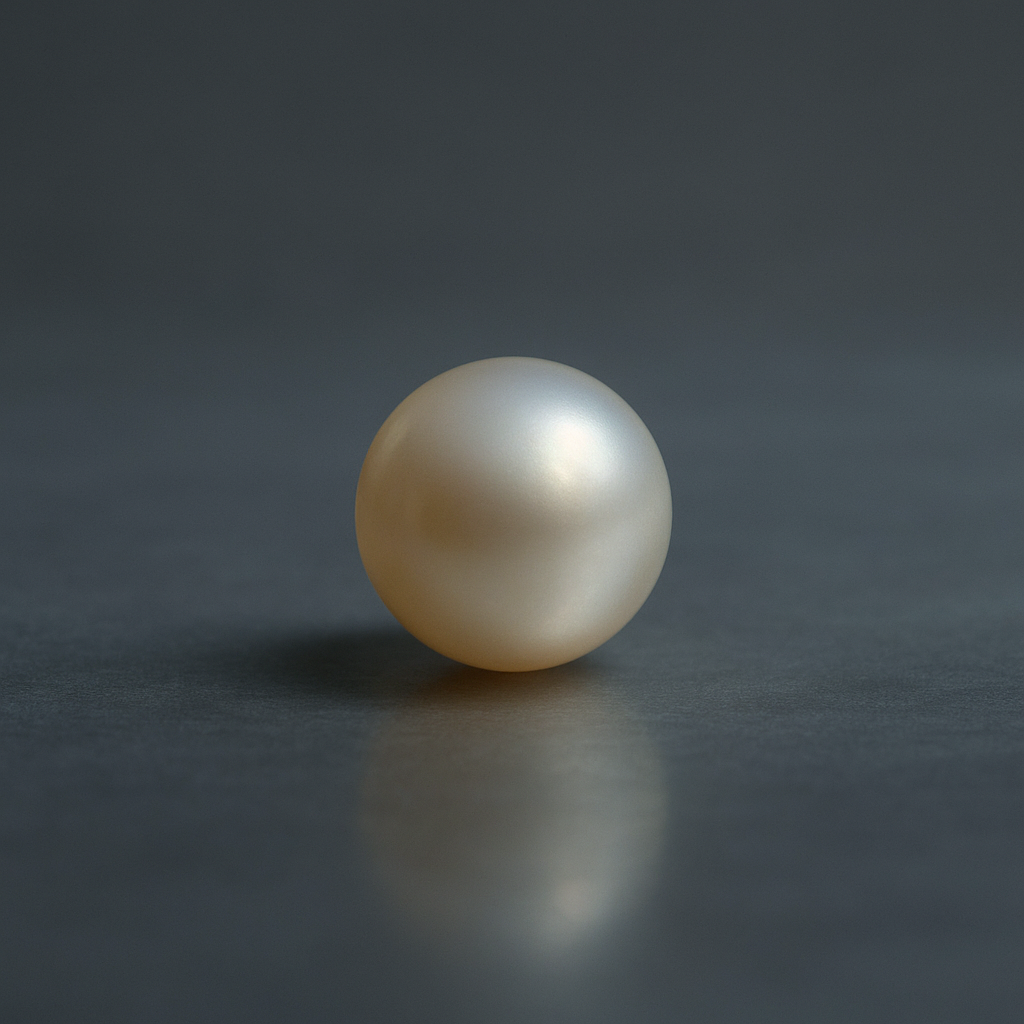
Explore 'quiet luxury' in aesthetic medicine: subtle enhancements, psychological comfort, and advanced techniques for natural, undetectable results.
Quiet luxury in aesthetic medicine is all about subtle, natural-looking changes. Instead of big makeovers, it focuses on making you look like the best version of yourself, not someone else. Think of it like a secret beauty boost that leaves everyone wondering why you look so refreshed and amazing. It's about quality and personalized care, making sure your enhancements are so good, they're invisible.
What is quiet luxury in aesthetic medicine?
Quiet luxury in aesthetic medicine is a trend focusing on subtle, undetectable enhancements that optimize one's natural features rather than creating dramatic alterations. It prioritizes refined results, exceptional craftsmanship, and personalized treatments, much like high-end fashion values quality over conspicuous branding, allowing individuals to maintain an authentic sense of self.
Get Cape Town news in your inbox
Stay updated with the latest stories from the Mother City.
The End of the Filter Era
The beauty landscape has transformed in ways that would have seemed improbable just a few years back. Digital platforms once flooded with images of impossibly perfect faces - porcelain complexions, exaggerated proportions, mathematically precise symmetry - have given rise to something far more interesting. A powerful counter-current now values holding back over standing out, whisper over shout. This shift represents something deeper than fashion; it constitutes a wholesale rethinking of aesthetic enhancement at a moment when medical technology offers unprecedented possibilities.
The "quiet luxury" movement sweeping through cosmetic medicine echoes larger cultural currents already reshaping how people dress, furnish homes, and curate lifestyles. Consider how sophisticated buyers abandoned conspicuous designer logos for items whose worth lives in exceptional materials and craftsmanship rather than visible branding. Patients now bring identical discernment to their faces, pursuing outcomes that resist identification. The objective has shifted from dramatic alteration to refined optimisation - honouring one's underlying structure rather than dismantling it.
The Psychology of Undetectable Enhancement
What fuels this appetite for invisible improvement? Behavioural aesthetics research offers compelling answers. Studies repeatedly show that observers respond more favourably to faces they perceive as naturally appealing than to those showing obvious technical intervention, regardless of procedural skill. Evolution has equipped human perception with extraordinary sensitivity to facial harmony and proportion. Millennia of selection pressure means our brains spot artificial modifications with uncanny precision.
Practitioners describe a troubling phenomenon: the aesthetic "uncanny valley." Results landing short of authentic appearance generate subtle discomfort in viewers. Someone looks "worked on" rather than genuinely attractive - their features technically upgraded yet somehow less compelling than before intervention. Master clinicians have learned to traverse this dangerous territory, recognising that true achievement isn't measured in product volume but in complete absence of detectable treatment.
Beyond social reception, invisible enhancement delivers profound psychological dividends. Patients experience heightened confidence when others attribute their refreshed appearance to fortunate genetics, dedicated wellness habits, or simply being well-rested. Such attribution safeguards personal narratives of authenticity that most people treasure - the conviction that their look, however assisted, remains essentially theirs .
The Technical Evolution of Subtlety
Creating results that vanish from scrutiny demands exponentially greater expertise than obvious augmentation. Today's aesthetic specialist must command anatomical knowledge reaching far beyond major landmarks into the delicate architecture of retaining ligaments, fat compartments, and vascular networks governing how faces mature and respond to treatment.
Contemporary methodology prioritises tissue repositioning and structural scaffolding above mere volume replacement. The sophisticated "liquid facelift" deploys biostimulatory agents with pinpoint accuracy to re-establish youthful facial geometry through elevation and support rather than padding. Skilled hands honour natural facial dynamics, comprehending how expression patterns constitute individual identity, ensuring therapies maintain rather than erase the mobility rendering faces recognisably alive.
Skin vitality has ascended to paramount importance in advanced practice, acknowledging that radiant, healthy complexions often convey youth more effectively than structural modifications. Technologies targeting pigmentation irregularities, textural refinement, and dermal wellness operate at cellular depths, triggering collagen synthesis and fortifying barrier function without surface traces of activity. Outcomes present as naturally robust and glowing - achieved through scientific sophistication yet appearing merely diligently maintained.
Personalisation: The Antidote to Homogenisation
Contemporary aesthetic medicine's most consequential advance may be its abandonment of universal beauty templates in favour of bespoke enhancement. The practice of bringing celebrity photographs or heavily filtered self-images to consultations is yielding to advanced facial analysis identifying each person's distinctive optimal proportions.
Anthropometric investigation has demonstrated that attractive faces worldwide share certain proportional relationships - specific ratios among facial thirds, particular jaw and chin angles, harmonious eye-width-to-spacing correlations. Yet within these general frameworks lies endless variation constituting individual character and allure. Accomplished practitioners now optimise these personal proportions rather than imposing external archetypes.
This customised philosophy encompasses understanding how faces evolve through life stages and how intervention strategies must correspondingly adapt. Preventive care for someone in their thirties differs fundamentally from restorative work for someone in their sixties, yet both can achieve outcomes appearing appropriate and organic to their respective life periods. "Age-appropriate" beauty has gained meaningful traction, recognising that striving to appear decades younger typically produces the very artificiality that defeats aesthetic intentions.
The Economic and Social Implications
This gravitation toward understated enhancement carries substantial economic consequences for the industry. Procedures demanding superior technical proficiency, extended consultation durations, and advanced product formulations justify premium pricing that patients increasingly accept as warranted. The marketplace is dividing between elite practices devoted to customised, imperceptible outcomes and more accessible alternatives where noticeable augmentation remains acceptable or even preferred.
Socially, the normalisation of cosmetic intervention - combined with its growing undetectability - is steadily eroding historical stigma. When results cannot be spotted, the boundary between "natural" and "enhanced" beauty grows philosophically hazy, compelling fresh examination of entrenched assumptions about authenticity and artifice. This development mirrors wider societal deliberations regarding technological augmentation across other spheres, from cognitive performance to physical capability.
The Future of Invisible Aesthetics
For clinicians, this transformation necessitates relentless skill honing and knowledge expansion. The thriving aesthetic physician of coming years must synthesise roles as artist, scientist, psychologist, and trusted confidant. Professional fulfilment arrives not from striking before-and-after contrasts but from patients reporting that acquaintances comment on their vibrancy without pinpointing any specific modification.
The highest praise in modern aesthetic practice has indeed become "You look so well" - acknowledging improvement while crediting the patient's intrinsic qualities. This attribution preserves dignity and authenticity, permitting individuals to harvest medical progress without forfeiting their story of natural selfhood.
In this emerging framework, the unseen becomes the aspiration. The most accomplished results leave observers wondering whether anything was done at all, conveying only someone who has somehow preserved their finest self across time. This encapsulates quiet luxury's promise in aesthetic medicine: not becoming another person, but the fullest expression of who one has always been.
[{"question": "
What is 'Quiet Luxury' in aesthetic medicine?
", "answer": "Quiet luxury in aesthetic medicine is a trend focused on subtle, natural-looking enhancements rather than dramatic makeovers. It's about optimizing your existing features to make you look like a refreshed, best version of yourself, where the improvements are so seamless they are undetectable. This approach prioritizes quality, personalized care, and exceptional craftsmanship, much like high-end fashion values understated elegance over conspicuous branding."}, {"question": "How does 'Quiet Luxury' differ from past aesthetic trends?
", "answer": "Unlike the 'filter era' that embraced exaggerated proportions and obvious alterations, quiet luxury marks a shift towards undetectable enhancements. The objective has moved from dramatic alteration to refined optimization, honoring one's natural structure rather than dismantling it. It moves away from universal beauty templates towards highly personalized treatments that respect individual identity and natural facial dynamics."}, {"question": "What is the psychology behind the demand for undetectable enhancements?
", "answer": "The demand for invisible improvements is rooted in behavioral aesthetics, which shows that people respond more favorably to faces perceived as naturally appealing. Obvious interventions can lead to an 'uncanny valley' effect, where someone looks 'worked on' rather than genuinely attractive. Patients gain heightened confidence when others attribute their refreshed appearance to natural factors like good genetics or wellness habits, preserving their sense of authenticity and personal narrative."}, {"question": "What technical advancements support 'Quiet Luxury' in aesthetic medicine?
", "answer": "Achieving subtle, undetectable results requires advanced expertise and sophisticated techniques. This includes a deep understanding of facial anatomy, focusing on tissue repositioning and structural scaffolding rather than just volume replacement. Techniques like the 'liquid facelift' use biostimulatory agents to re-establish youthful facial geometry. Additionally, there's a strong emphasis on skin vitality, with technologies targeting pigmentation, texture, and dermal health to achieve naturally radiant complexions without visible traces of activity."}, {"question": "How does 'Quiet Luxury' embrace personalization?
", "answer": "Quiet luxury moves away from universal beauty templates and embraces bespoke enhancement. Instead of replicating celebrity looks, practitioners use advanced facial analysis to identify each person's unique optimal proportions. This customized philosophy also considers how faces evolve through different life stages, ensuring interventions are age-appropriate and organic, optimizing individual proportions rather than imposing external archetypes."}, {"question": "What are the economic and social implications of this trend?
", "answer": "Economically, procedures under the quiet luxury umbrella, demanding superior technical proficiency and extended consultation, justify premium pricing. This creates a market division between elite practices focused on discreet, customized outcomes and more accessible options with noticeable augmentation. Socially, the growing undetectability of cosmetic intervention is eroding historical stigma, blurring the lines between 'natural' and 'enhanced' beauty, and prompting a re-evaluation of authenticity and artifice in a broader societal context of technological augmentation."}]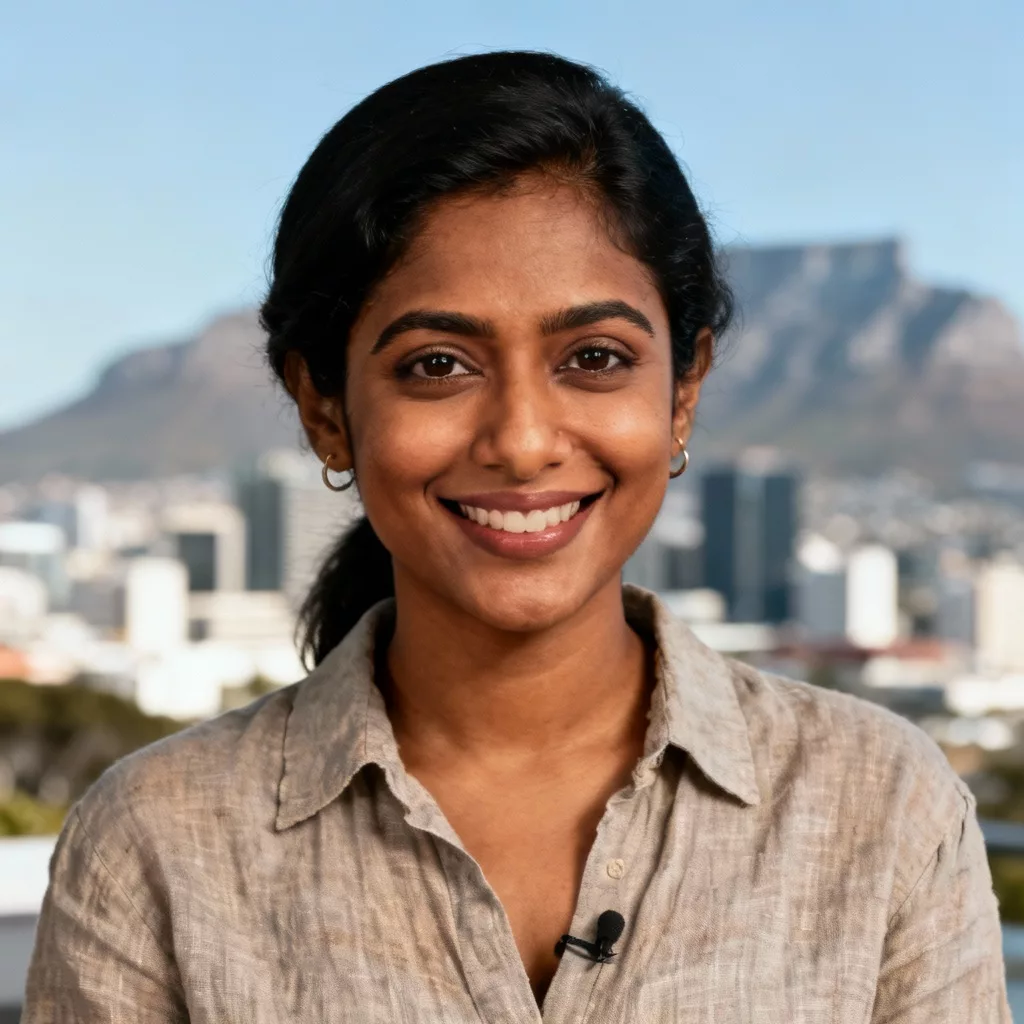
Zola Naidoo is a Cape Town journalist who chronicles the city’s shifting politics and the lived realities behind the headlines. A weekend trail-runner on Table Mountain’s lower contour paths, she still swops stories in her grandmother’s District Six kitchen every Sunday, grounding her reporting in the cadences of the Cape.
View all articles →