
These Cape Town roads are smash-and-grab danger zones
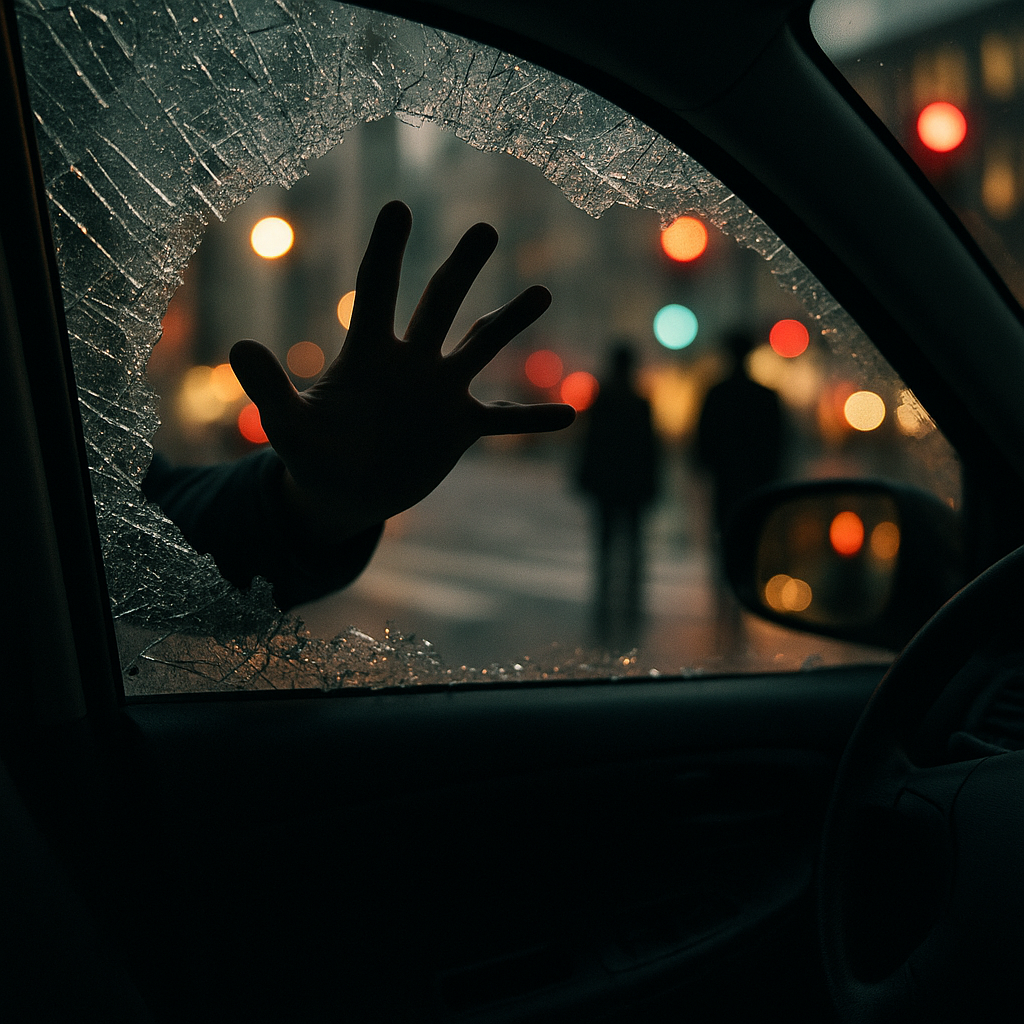
Uncover the predictable choreography of smash-and-grab crime in Cape Town and learn effective counter-moves to protect yourself.
Beware, Cape Town drivers! Smash-and-grab robbers are like clockwork, striking fast in just 4 seconds during rush hour. They love traffic lights and specific roads, using a three-person team to snatch your valuables. They look for specific cars and times, so stay alert! But you can outsmart them by changing your route, being aware of your surroundings, and knowing how to react if it happens to you.
How do smash-and-grab robberies in Cape Town typically occur?
Smash-and-grab robberies in Cape Town usually involve a three-person crew: a selector who identifies targets, a striker who breaks the window, and a sweeper who snatches valuables. These incidents often occur during rush hour in specific high-risk areas like Jakes Gerwel Drive and the N2 over Nyanga, exploiting traffic lights and road layouts.
Get Cape Town news in your inbox
Stay updated with the latest stories from the Mother City.
1. The Road Is the Stage: Why Certain Tarmac Strips Stay Bloody
Cape Town’s rush-hour corridors were never neutral.
Apartheid planners drew buffer zones of factories, hostels and matchbox houses, then stitched them together with single-lane feeder roads that force rich and poor to rub fenders twice a day.
Jakes Gerwel Drive is the textbook: 3.7 km of 60 km/h tarmac that crawls past Athlone’s bungalows, Bonteheuwel’s chess-board yards and Langa’s historic “native” grid.
Six traffic lights, forty-two-second red phases and a spaghetti of pedestrian short-cuts create the perfect showroom for criminals who treat commuters like rotating mannequins.
The N2 over Nyanga is even nastier.
Hawkers legally share the emergency lane, so every outstretched hand looks like commerce, not crime.
Dusk throws 1980s sodium-orange light that hides faces but spotlights handbags on passenger seats, while a single jersey barrier separates the highway from the maze of Browns Farm shacks.
Once you understand that the road itself is the accomplice, you stop treating red lights as boring and start seeing them as auditions you can refuse.
2. Clockwork Crime: When Your Watch Matters More Than Your Wallet
Police heat-maps show two daily spikes: 15:45–18:00 and 06:15–07:30.
During the afternoon window the sinking sun turns every windscreen into a silhouette projector - iPads, laptops, even empty laptop sleeves glow like Broadway marquees.
Morning congestion is quieter but equally lucrative: cleaners and nurses queue with handbags on the seat while they scroll WhatsApp or finish mascara.
Weekends add an 11:00–14:00 plateau linked to airport trips and mall runs, while public holidays flip the curve, pushing strikes past 21:00 when robots blink amber and lonely cars become sitting ducks.
Criminals treat these rhythms like train timetables.
They clock in 40 minutes before the spike, rehearse positions, then disperse before most victims have finished reporting the crime.
If your schedule is flexible, simply shifting your departure by 15 minutes can drop your risk by half - cheaper than any gadget.
3. The Three-Person Play: Meet the Selector, Striker and Sweeper
Smash crews rarely exceed three members.
The selector loiters on the median, pretending to sell airtime or beg, hunting for the white glint of a charging cable or the rectangular shadow of a MacBook.
The striker stands one lane closer to the pavement, hoodie cinched, ceramic chip from a spark plug wrapped in black tape - quiet, cheap, disposable.
The sweeper waits on the far pavement beside a pre-cut fence gap; his job is to snatch the loot before the driver’s brain has processed the sound of imploding glass.
The entire ballet averages 4.2 seconds.
That is faster than most central-locking systems can re-engage after the impact trips them open.
CCTV shows that the selector’s cue is a two-finger tap on the thigh - an almost invisible green light that precedes 67 % of successful strikes.
If you spot anyone mirroring your car’s slow creep toward the red light while repeatedly glancing at your interior, treat the tap as your cue to creep forward or change lanes immediately.
4. Car, Driver, Aftermath: Profiles, Props and Legal Traps
White hatchbacks with tinted rear glass top the hit list; young professionals wedge backpacks behind the seats and the pale paint reflects every silhouette.
Dark-grey panel vans survive because signage shouts “tools not tech.”
Single-cab bakkies are almost immune - site foremen still keep torque wrenches within reach and crews know construction workers fight back.
Uber stickers used to grant immunity, but the economic slump has flipped that script; drivers now carry two phones and insurers demand extra premiums.
If you do get hit, the next 30 seconds decide both safety and compensation.
Do not brake - coast to the nearest garage or police kiosk.
Braking traps witnesses and tempts Good Samaritans who may be accomplices.
Hit the lock button again, switch on hazards, then film the scene through the closed window; insurers repudiate 34 % of claims for “open window negligence” unless you supply timestamped footage showing glass closed at impact.
Pepper spray is legal in the door pocket, but deploy it pre-emptively and you may face assault charges when bystanders inhale the cloud.
A CO₂ extinguisher, however, creates a blinding fog, zero lasting injury and iron-clad proof of attempted robbery - currently the safest legal defence tool on the market.
[{"question": "What is a \"smash-and-grab\" robbery in Cape Town and how quickly do they happen?", "answer": "A \"smash-and-grab\" robbery in Cape Town involves a quick, organized theft from a vehicle, typically occurring in just 4 seconds. These incidents often take place during rush hour at traffic lights and on specific high-risk roads, where a team of criminals targets unsuspecting drivers for their valuables."}, {"question": "What roles do the criminals play in a typical smash-and-grab crew?", "answer": "Smash-and-grab crews usually consist of three members: a selector who identifies potential targets and signals the attack, a striker who quickly breaks a window (often using a ceramic chip from a spark plug), and a sweeper who snatches valuables from the vehicle before the driver can react. The entire operation is designed for maximum speed and efficiency."}, {"question": "When and where are smash-and-grab robberies most likely to occur in Cape Town?", "answer": "These robberies most frequently happen during rush hour, with peak times between 15:45–18:00 and 06:15–07:30 on weekdays. Weekends also see a plateau from 11:00–14:00. High-risk locations include major commuter routes with traffic lights, such as Jakes Gerwel Drive and the N2 over Nyanga. These areas are often chosen due to their road layout, high traffic volume, and proximity to areas that allow for quick escape."}, {"question": "What types of vehicles and drivers are typically targeted by smash-and-grab robbers?", "answer": "Robbers frequently target white hatchbacks with tinted rear glass because they often contain visible valuables like laptops and bags. Drivers who are distracted, such as those scrolling on their phones or applying make-up, especially during peak times, are also at higher risk. While Uber stickers once offered some immunity, this trend has shifted, making Uber drivers also potential targets."}, {"question": "What precautions can drivers take to reduce their risk of a smash-and-grab robbery?", "answer": "Drivers can reduce their risk by being highly aware of their surroundings, especially at traffic lights. Simple actions include avoiding placing valuables on seats, keeping windows closed, and ensuring doors are locked. Changing your route or shifting your departure time by as little as 15 minutes can also significantly lower your risk. If you notice someone mirroring your car's movement and glancing at your interior, it's a cue to creep forward or change lanes. Keeping a CO₂ extinguisher for self-defense is a legal and effective option."}, {"question": "What should a driver do immediately after a smash-and-grab incident occurs?", "answer": "If you are hit, do not brake suddenly. Instead, coast to the nearest safe location like a garage or police kiosk. Immediately hit the lock button again, switch on your hazard lights, and if possible, film the scene through your closed window. This footage is crucial for insurance claims, as insurers may repudiate claims if they suspect 'open window negligence' without timestamped proof that the glass was closed at impact."}]

Oliver Daniels is a Cape Town journalist who chronicles the intersection of food, migration and identity in South Africa's kitchens—from wood-fired Gugulethu braai spots to Constantia vineyards. Born and raised on the slopes of Devil’s Peak, he still starts each week with a dawn walk across Table Mountain to catch the first Atlantic light before filing copy.
View all articles →