
Trump reveals FIFA call as USA crash out of World Cup against Belgium

Trump called FIFA's president to intervene after Balogun's red card in the World Cup, raising questions about political influence in sports.
Imagine a president, like Donald Trump, calling FIFA! He actually did it, all because a US soccer star got a red card. This made everyone wonder if politics was messing with sports. FIFA let the player keep playing, but people still talked about fairness. It was a wild moment where power and sports crashed together!
What happens when a president calls FIFA to dispute a red card?
When a president calls FIFA to dispute a red card, as President Trump did regarding Folarin Balogun's red card during the 2026 FIFA World Cup, it can lead to an extraordinary chain of events. FIFA allowed Balogun to play while postponing punishment, raising questions about political interference and legitimate advocacy in sports.
Get Cape Town news in your inbox
Stay updated with the latest stories from the Mother City.
The worlds of international diplomacy and elite athletics collided in spectacular fashion during the 2026 FIFA World Cup. What began as a routine sending-off of United States forward Folarin Balogun rapidly transformed into something far more extraordinary - a direct conversation between the American presidency and football's global governing body. This unprecedented chain of events, triggered by a single moment of on-field contact, forced observers to confront uncomfortable questions about where legitimate advocacy ends and improper interference begins in the relationship between political leadership and sporting justice.
The Flashpoint Moment
Balogun had been enjoying a stellar tournament, finding the net three times and establishing himself as the Americans' primary offensive threat. During their 2-0 group stage triumph over Bosnia-Herzegovina, the striker added another goal to his collection before everything changed in the 64th minute. A seemingly unremarkable tussle with Bosnian center-back Tarik Muharemovic caught the attention of the video assistant referee, prompting an extended review that would alter the trajectory of the entire competition for the United States.
The footage revealed Balogun's boot making contact with Muharemovic's ankle area - a challenge that officials interpreted as endangering player safety. The on-field referee, after consulting the pitchside monitor, produced the red card with the severity that FIFA's disciplinary framework mandates for such incidents. Under the established regulations, this automatic dismissal carried an equally automatic one-match ban, sidelining Balogun for the upcoming knockout fixture against Belgium.
For a nation co-hosting the expanded tournament and desperate to advance beyond its customary early exits, the loss of its most dangerous attacker at this critical juncture represented a potential catastrophe. What happened next, however, would prove far more remarkable than any tactical adjustment or squad rotation could possibly have been.
From Locker Room to Oval Office
Donald Trump addressed the situation with characteristic directness during a routine press briefing at the White House. Rather than deflecting questions or issuing non-committal responses, the president volunteered that he had personally contacted Gianni Infantino at FIFA headquarters in Switzerland. This revelation came not through investigative journalism or opposition research, but from Trump's own unfiltered account of events.
The president's recollection of the exchange carried his trademark rhetorical touches. He described Infantino in glowing personal terms, praising the FIFA chief as exceptionally capable and professionally ascendant. More significantly, Trump carefully parsed his own language during the call, emphasizing that he had made a request rather than issued a command. This distinction, he apparently believed, preserved appropriate boundaries between governmental authority and sporting autonomy.
Yet context inevitably colors such interactions. The United States had invested billions in stadium infrastructure and security arrangements for the 48-team tournament, shared with Canada and Mexico. That financial and political commitment created an implicit backdrop to any communication between Washington and Zurich. When the world's most powerful elected official asks for reconsideration of a disciplinary matter affecting his country's team, the power differential alone suggests influence beyond mere words.
Trump's substantive argument against the red card revealed his instincts as both sports fan and television viewer. He rejected the disciplinary categorization entirely, characterizing the incident instead as an unavoidable collision between elite competitors. His critique focused particularly on the role of technology in manufacturing controversy, suggesting that slow-motion replay had distorted a routine athletic interaction into something appearing more sinister than reality warranted.
FIFA's Balancing Act
The governing body's ultimate decision - to permit Balogun's immediate participation while postponing any punishment - instantly drew accusations of capitulation to political pressure. FIFA's disciplinary apparatus had effectively neutralized its own sanction, allowing the American striker to face Belgium while maintaining nominal commitment to eventual accountability.
The procedural dimensions proved equally contentious. When Belgian officials sought to challenge this determination, FIFA rejected their standing entirely, declaring that opposing federations possessed no legitimate role in disciplinary proceedings involving other nations' players. This created an apparent paradox: presidential intervention could influence outcomes, yet rival associations could not even access the appeals mechanism.
Infantino's public statements attempted to square this circle through emphatic assertions of institutional independence. He portrayed conversations with political leaders as routine occurrences across global football, suggesting that Trump's call represented nothing exceptional in his professional experience. The FIFA president acknowledged his own subjective reactions to disciplinary decisions - sometimes concurring, sometimes dissenting - while insisting these personal views never penetrated the formal adjudication process.
His narrative positioned Balogun's case as already advancing through appropriate channels when the presidential contact occurred, implying that any eventual reversal emerged from independent legal analysis rather than external pressure. Whether this chronology convinced observers likely depended on their preexisting skepticism about sporting governance and political influence.
When Procedure Meets Performance
The controversy's ultimate resolution rendered all procedural maneuvering essentially meaningless. Belgium's comprehensive 4-1 victory demonstrated that player availability guarantees nothing without collective execution. Balogun's subdued display - so distant from his earlier tournament excellence - suggested that the psychological burden of controversy, or perhaps disrupted preparation patterns, might negate any advantage from administrative victory.
The Belgian squad showcased what genuine international competitiveness demands: seamless tactical coordination, ruthless efficiency in front of goal, and unwavering composure when opportunities emerged. These qualities transcended individual personnel questions, exposing the fundamental truth that football matches are won through ninety minutes of superior play rather than preceding bureaucratic outcomes.
This competitive reality neither validates nor condemns the red card reversal. It simply illustrates that administrative decisions, however obtained, remain subordinate to athletic performance. The four Belgian goals that eliminated American hopes simultaneously eliminated any meaningful debate about what might have occurred under alternative disciplinary arrangements.
Reflections on Political Athletics
American presidents have historically maintained visible relationships with sports - championship celebrations at the White House, commentary on signature events, occasional mediation in labor disputes affecting national institutions. Yet direct appeals to international federations regarding specific competitive sanctions represent a genuine departure from established practice.
The Trump-Infantino communication exists within a broader tradition of political pressure on athletic outcomes, from Olympic boycotts during ideological conflicts to contemporary anxieties about authoritarian influence over major event hosting. What distinguishes this episode is its surgical precision - not a sweeping policy stance but a targeted intervention seeking immediate competitive benefit.
Whether this creates enduring precedent remains genuinely uncertain. Subsequent administrations may consciously avoid similar engagement, recognizing reputational risks that outweigh potential sporting advantages. Alternatively, the demonstrated effectiveness of direct presidential communication with FIFA leadership - Balogun played, regardless of subsequent results - may encourage replication when future tournaments reach decisive stages.
The 2026 tournament's North American location adds distinctive dimensions to these considerations. As perpetual co-hosts with automatic qualification, the United States will participate in future editions without the pressure of competitive qualification. Yet the accessibility of FIFA's highest leadership to American presidential contact, once demonstrated, suggests influence channels extending well beyond any single disciplinary incident.
Football's global administration has perpetually negotiated among commercial interests, competitive integrity, and geopolitical realities. The Balogun episode stands as merely the most conspicuous recent manifestation of these intersecting forces - a demonstration that despite elaborate institutional frameworks and regulatory sophistication, personal connections and unmediated communication retain transformative capacity in the world's most popular sport.
What sparked the controversy involving President Trump and FIFA?
It all started when US soccer star Folarin Balogun received a red card during a 2026 FIFA World Cup match against Bosnia-Herzegovina. This seemingly routine sending-off led to an unexpected intervention by then-President Donald Trump, who directly contacted FIFA's president, Gianni Infantino, to dispute the decision.
Why was Folarin Balogun's red card so significant?
Balogun was a key player for the US team, having scored three goals in the tournament. His red card meant an automatic one-match ban, sidelining him for a crucial knockout fixture against Belgium. For a nation co-hosting the World Cup and aiming for a deep run, losing their primary offensive threat at such a critical moment was seen as a potential catastrophe.
How did President Trump intervene in the red card decision?
President Trump publicly revealed that he had personally contacted FIFA President Gianni Infantino to discuss Balogun's red card. He characterized his communication as a "request" rather than a command, arguing that the incident was an unavoidable collision and that slow-motion replay had distorted the reality of the tackle. This direct appeal from the Oval Office to world football's governing body was an unprecedented move.
What was FIFA's response to the presidential intervention?
FIFA allowed Folarin Balogun to play in the subsequent match against Belgium, effectively postponing any punishment for his red card. They also rejected Belgium's attempts to challenge this decision, stating that opposing federations had no standing in disciplinary proceedings involving other nations' players. This outcome led to accusations that FIFA had capitulated to political pressure, despite President Infantino's assertions of institutional independence and routine conversations with political leaders.
What were the implications of this incident for the relationship between politics and sports?
This event highlighted a significant collision between power and sports, raising questions about political interference in athletic justice. While American presidents have historically engaged with sports, a direct appeal to an international federation regarding a specific competitive sanction was a genuine departure from established practice. It demonstrated that personal connections and unmediated communication can have transformative capacity even within elaborate institutional frameworks.
Did the controversial decision ultimately benefit the US team?
Despite the successful intervention that allowed Balogun to play, the US team was comprehensively defeated 4-1 by Belgium. Balogun himself had a subdued performance in that match. This outcome suggested that while administrative decisions might influence player availability, they do not guarantee victory; ultimately, football matches are won through superior on-field performance, not bureaucratic outcomes.
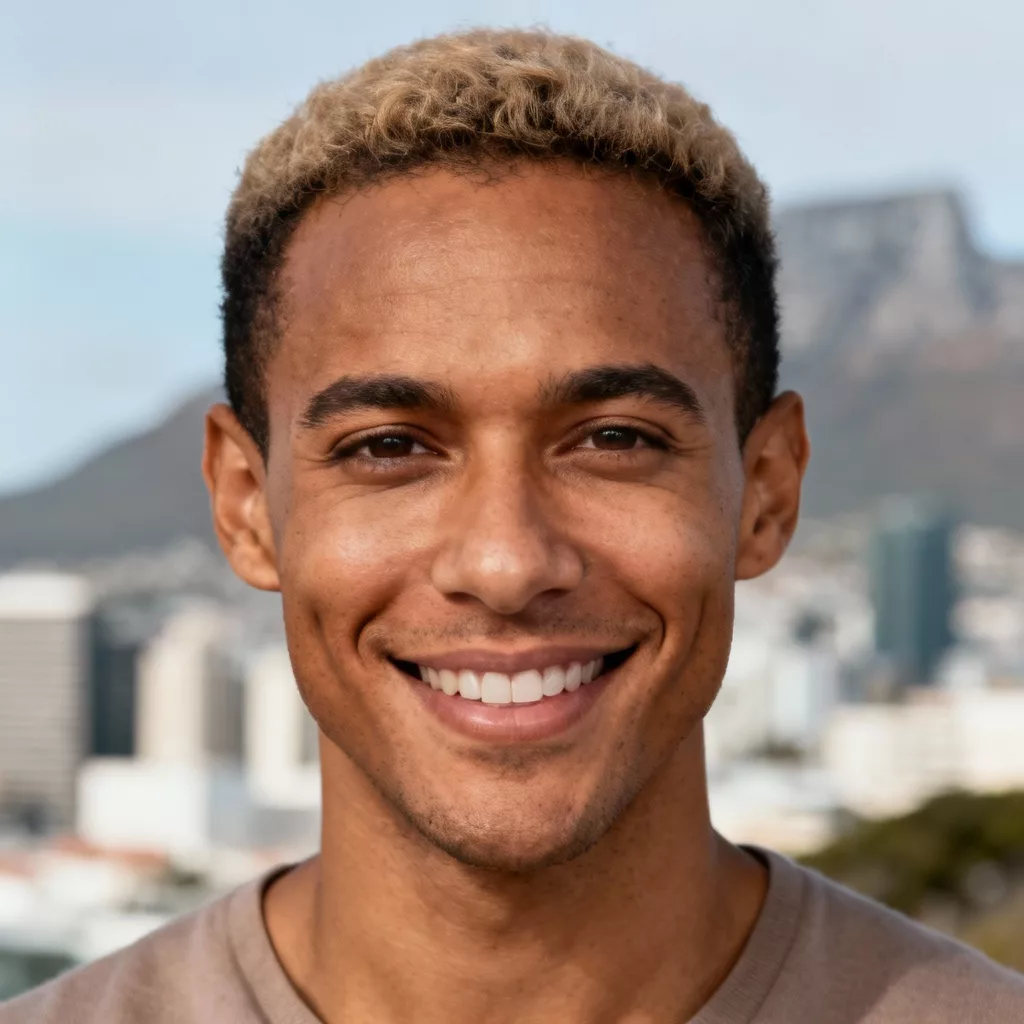
Oliver Daniels is a Cape Town journalist who chronicles the intersection of food, migration and identity in South Africa's kitchens—from wood-fired Gugulethu braai spots to Constantia vineyards. Born and raised on the slopes of Devil’s Peak, he still starts each week with a dawn walk across Table Mountain to catch the first Atlantic light before filing copy.
View all articles →