
Urgent chameleon rescue effort underway in George after storms leave reptiles at risk
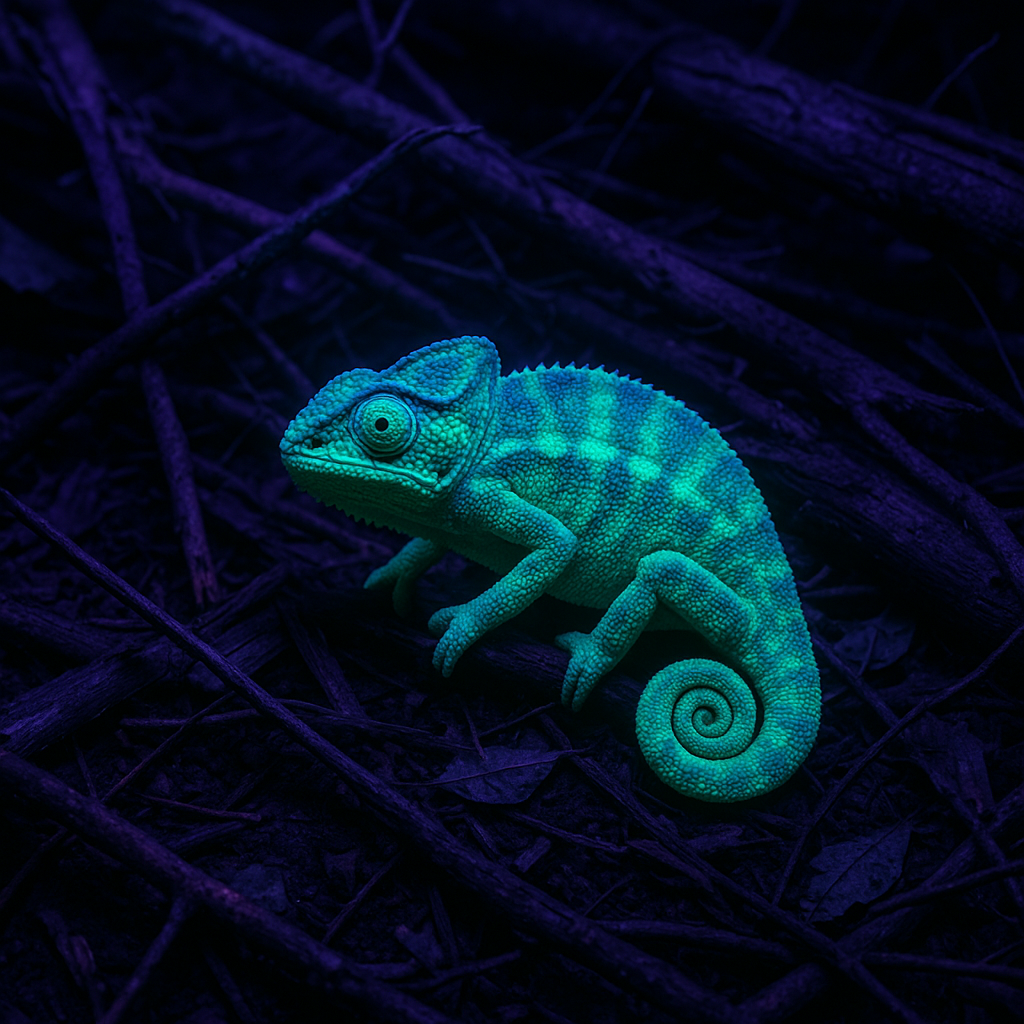
Volunteers use UV light to save dwarf chameleons from storm debris in George, South Africa, highlighting local conservation efforts.
After a massive storm, tiny dwarf chameleons are in big trouble. Volunteers use special UV lights at night to find these glowing lizards, saving them from dangerous debris and busy streets. They put the chameleons in safe containers, hoping to release them later. People are also planting special gardens and making new rules to protect these small creatures and their homes for the future.
How are dwarf chameleons being rescued and protected after the storm?
Dwarf chameleons are being rescued using UV torches to spot their fluorescent skin at night. Volunteers collect them in ventilated containers for temporary care. Efforts also include establishing native plant corridors, drafting bylaws for ecological preservation in new developments, and storing DNA samples for future conservation.
Get Cape Town news in your inbox
Stay updated with the latest stories from the Mother City.
The Violet Hunt Begins
George, Western Cape – When the chainsaws finally idle and the floodlights dim, a quieter choreography takes over the suburb. Arm-thin beams of ultraviolet light sweep across shredded leaves and broken bricks. In those ghostly halos, a lime-green spark may flare for two heartbeats – the tell-tale flare of a thumb-sized dragon who has never seen the inside of a storybook. Two weeks ago a howling storm threw exotic gums across driveways, ripping entire canopies from their root plates. Thirty centimetres of airtime was all it took to tumble hundreds – perhaps thousands – of dwarf chameleons into the human world, where boots, dogs and roaring shredders wait.
Grace Mbobo, wildlife inspector for the George SPCA, has stopped counting the close calls. “We arrived in Levadia as a homeowner struck the match,” she says. “Twenty-six live animals were still clinging to the twigs he swore he had inspected.” The margin between survival and obliteration now measures the width of a single violet ray. Volunteers leave their day-jobs, strap on head-torches and fan out from 19:30 until the dew stiffens at 23:00, alert for that fleeting emerald bloom.
The violet trick is no party stunt. Microscopic strips of beta-keratin in the lizard’s outer skin absorb long-wave ultraviolet and spit back visible green. The glow lasts only seconds; a slow, disciplined sweep is mandatory. Pairs move in tandem – one torch-bearer, one tub-carrier armed with takeaway boxes lined in moist tissue. Every capture is photographed against a centimetre grid and geo-tagged. Two males jammed into the same tub will bruise ribs and bite tails, so each miniature refugee travels alone.
Storm Aftermath, Genomic Roulette
Splinters in the Ecosystem
When the wind dropped, whole avenues of London plane and blue-gum lay like spilled pick-up-sticks. Chameleons that had spent entire lives inside a single lemon tree now crawled across unfamiliar tar, instinctively seeking shelter in what looked like familiar leaf-litter – the debris piles that now serve as kindling. Chainsaw crews race a clock set by municipal contracts: twenty-four hours and the heap heads either to landfill or to the chipper. For the reptiles, the clock is even shorter; cold nights shut down their metabolism and they freeze to the first twig they grasp.
Shrinking Footprints, Shrinking Genes
South Africa contains at least seventeen Bradypodion species, most restricted to ranges smaller than a vineyard block. The Pondo dwarf chameleon, for instance, clings to a single scarp forest of 11 km². A single bulldozed suburb could erase an entire genetic lineage that evolved over millennia of isolation. Climate modelling by the South African National Biodiversity Institute predicts a 15–20 % rise in extreme wind events across the southern Cape by 2040, tightening the odds in an already rigged ecological lottery.
Human Footprints First
Population in George has doubled since 2000. Waterfront estates replace renosterveld; retaining walls and pesticide-soaked lawns cut aphid numbers by two-thirds. A 2023 paper in the African Journal of Herpetology recorded a 60 % crash in suburban Cape dwarf chameleon density within three years of neighbouring farmland intensifying – even when the gardens themselves stayed leafy. The storm simply removed the last seat in a game of musical chairs that started years ago.
The WhatsApp Battalion and the UV Torch Gap
From Spreadsheets to Side-Streets
On the second day after the cyclone the SPCA conceded that nets and tongs were useless against invisible prey. A WhatsApp hotline flicked online at 21:00s; by dawn 600 residents had clicked “join”. Messages race in: “Need torch in Kingswood”, “Bonfire ready in Heatherlands”, “Gravid female found – next steps?” Marlene van der Westhuizen, communications officer, moderates from her bakkie between call-outs, colour-coding pins on a live Google Map. Completed jobs turn green, gaps glow red; teenagers on bicycles claim clusters like ride-share drivers.
Town Hall Meets Tool Shed
Businesses improvised overnight. A dive shop unloaded twenty waterproof torches rated for 100 metres of seawater; their 1 800-lumen flood punches through wind-blown rain. An armed-response company rerouted two patrol cars to act as first-response UV units during the quiet 20:00-06:00 stretch. Even the municipal disaster chief ordered debris teams to leave kerbside stacks untouched for twenty-four golden hours. Compare that with 2017, when Knysna’s post-fire bulldozers scraped lots clean within hours, entombing charred chameleons under ash.
R120 Cell-Phone Salvage
The hardware bottleneck is real – a laboratory-grade 365 nm torch retails for R450-900, pocket money most school-aged volunteers do not have. Stellenbosch students answered the call with a home-made strip of UV LEDs soldered to a cellphone power-bank. Total bill: one-hundred-and-twenty rand. If the plastic lunch-box prototype passes this week’s rain test, fifty kits will ride a minibus-taxi to George by Friday.
How to Save a Dragon Without Killing It
Five Steps Between Kindness and Catastrophe
Well-meant mistakes stream in daily. Terraria with heat lamps and pet-shop crickets? Recipe for kidney failure – wild chameleons need wild aphids and pin-head spiders. Drop-off in an unfamiliar forest? Animals starve in the dark understory. The group rules are now pinned to every message thread:
- One lizard, one tub – no bigger than a litre ice-cream box, ventilated with a fork.
- Add a single twig and light mist, never a water dish; they drink dew, not ponds.
- Pin the exact address – the SPCA is building a post-storm distribution map for future science.
- Hand over within 24 hours, or phone for collection.
- No supermarket lettuce or pesticide roses – chemical residues kill faster than hunger.
Building Corridors, Not Collections
Triage is only triage. What the lizards need is a necklace of indigenous shrubs threading through suburbia. George’s planning department is drafting bylaws that will force new estates to keep 30 % native plant cover and prohibit whole-tree verge removal during nesting season. Two pilot “chameleon hedges”, thick with wild pomegranate and ironwood, will link surviving forest patches along Bergh and Meade Streets. Motion-activated cameras go up in March, bankrolled by a R25 000 Table Mountain Fund grant. Home-owners who sign up score free saplings and a brass gate sign that reads: “Chameleon Friendly – Slow, Native, Alive”.
Frozen Insulin for Lizards
Behind the torch beams, laboratories race a longer arc. The African Amphibian and Reptile Conservation unit at the University of the Western Cape already stores 280 tail-tip DNA samples at minus-80 °C – a cryogenic back-up of alleles that drought, fire or the next cyclone may erase. Each rescued animal now adds another barcode to the freezer. One day the frozen library could seed captive colonies or guide forensic translocations if suburbia finally outgrows its reptiles.
Counting the Uncounted
South Africa’s National Disaster Management Centre lists human deaths and collapsed bridges, not charred chameleons or drowned dormice. Conservationists want George’s improvised protocols – UV torch procurement, temporary husbandry hubs, ecologists on clearance crews – written into the next revision of the National Environmental Management: Biodiversity Act. They argue that a “protected” listing without disaster clauses leaves the lizards as legally secure as garden snails and town pigeons.
When the Chainsaws Fall Silent
In a week the streets will be swept, the headlines will shift. Teachers will go back to marking; IT staff will mute the 20:00 WhatsApp pings. Yet for now every flicker of violet light is a shared heartbeat. Children update tally books; grandparents lean over fences to watch a thumb-sized dragon disappear into a rescued hedge. The storm has not ended – it has simply moved indoors, into living rooms lit by cellphone screens that flash the same urgent mantra: sweep slowly, look twice, assume life where you least expect it.
[{"question": "How are dwarf chameleons being rescued and protected after the storm?", "answer": "Dwarf chameleons are being rescued at night by volunteers using special UV lights to detect their fluorescent skin. Once found, they are carefully placed into ventilated containers for temporary care. Beyond immediate rescue, long-term protection efforts include establishing native plant corridors, drafting new bylaws to ensure ecological preservation in urban developments, and storing DNA samples for future conservation and genetic resilience."}, {"question": "Why are UV lights used to find the chameleons?", "answer": "UV lights are used because the dwarf chameleons' outer skin contains microscopic strips of beta-keratin that absorb long-wave ultraviolet light and re-emit it as a visible green glow. This makes them temporarily fluorescent and easier to spot in the dark, especially amidst storm debris, allowing rescuers to find them quickly and efficiently."}, {"question": "What are the main threats to dwarf chameleons after a storm like the George Cyclone?", "answer": "After a storm, dwarf chameleons face multiple threats. They are displaced from their natural habitats, leaving them vulnerable to predators, foot traffic, and heavy machinery used in debris clearing. Cold nights can also shut down their metabolism, leading to freezing. Furthermore, habitat loss due to urban expansion and the fragmentation of their small, specific ranges by human development are ongoing long-term threats exacerbated by extreme weather events."}, {"question": "How can the public help in these rescue efforts?", "answer": "The public can help by volunteering for night-time searches using UV torches, providing temporary safe housing for rescued chameleons (following specific guidelines like one chameleon per ventilated container with a twig and light mist), and reporting chameleon sightings to the SPCA or relevant wildlife organizations. Supporting initiatives that promote native plant gardens and advocating for chameleon-friendly urban planning are also crucial contributions."}, {"question": "What are some common mistakes people make when trying to care for rescued chameleons?", "answer": "Well-intentioned individuals often make mistakes such as attempting to keep chameleons as pets in inappropriate terraria with heat lamps or feeding them pet-store crickets, which can lead to kidney failure. Releasing them into unfamiliar forests without proper consideration for their specific habitat needs can also cause them to starve. It's crucial to follow expert guidelines for temporary care and prompt handover to rescue organizations."}, {"question": "What long-term conservation strategies are being implemented for dwarf chameleons?", "answer": "Long-term strategies include drafting new municipal bylaws that mandate significant native plant cover in new developments and prohibit destructive tree removal during nesting seasons. Pilot 'chameleon hedges' are being established to create ecological corridors between existing habitats. Additionally, DNA samples are being collected and stored at ultra-low temperatures to create a genetic library, which could aid in future captive breeding programs or forensic translocations, ensuring the species' genetic diversity endures.","additional_info": "Bradypodion species, to which dwarf chameleons belong, are endemic to Southern Africa and often have very restricted ranges, making them particularly vulnerable to habitat loss and climate change.", "keywords": ["dwarf chameleons", "UV lights", "storm rescue", "habitat protection", "conservation", "George Cyclone"]}]

Hannah Kriel is a Cape Town-born journalist who chronicles the city’s evolving food scene—from Bo-Kaap spice routes to Constantia vineyards—for local and international outlets. When she’s not interviewing chefs or tracking the harvest on her grandparents’ Stellenbosch farm, you’ll find her surfing the Atlantic breaks she first rode as a schoolgirl.
View all articles →