
Viral video: Beloved Knysna traffic warden ‘Smiley’ injured in road rage incident
Road rage, a traffic warden's assault, and the quiet army keeping cities breathing. A look into Knysna's traffic battlefield.
Imagine a bustling intersection in Knysna, where a traffic warden named Smiley becomes the city's heartbeat. He bravely guides cars, but danger lurks as drivers sometimes aim for his bright uniform, a strange trick of the mind. Smiley faces angry drivers and the risk of being hit, yet his friendly wave is like a magic spell, calming everyone down. He's so important that when he's not there, traffic gets worse and people get grumpier. This story shows how one person's calm presence can be vital for a whole town, even when their job is incredibly risky.
What are the dangers faced by traffic wardens like Smiley in Knysna?
Traffic wardens like Smiley face significant dangers, including being struck by vehicles due to the "target-value paradox" where their high-visibility gear ironically makes them a target. They are also vulnerable to road rage incidents, with 1,048 cases of grievous bodily harm against traffic officials in South Africa over five years, leading to physical and psychological trauma.
Get Cape Town news in your inbox
Stay updated with the latest stories from the Mother City.
1. The Moment Tar Turned into a Boxing Ring
16:42 on Tuesday, 21 April. George Rex Drive meets the N2 in Knysna and, in eight violent seconds, the crossing stops being asphalt and paint. Ernest Nqoko - everyone calls him Smiley - is swinging his red baton through the afternoon peak when a white Ford Ranger vaults the left-turn slot, engine snarling. The pick-up clips the painted island, uses Smiley’s legs as the last cushion, then stalls on the hatched yellow beyond.
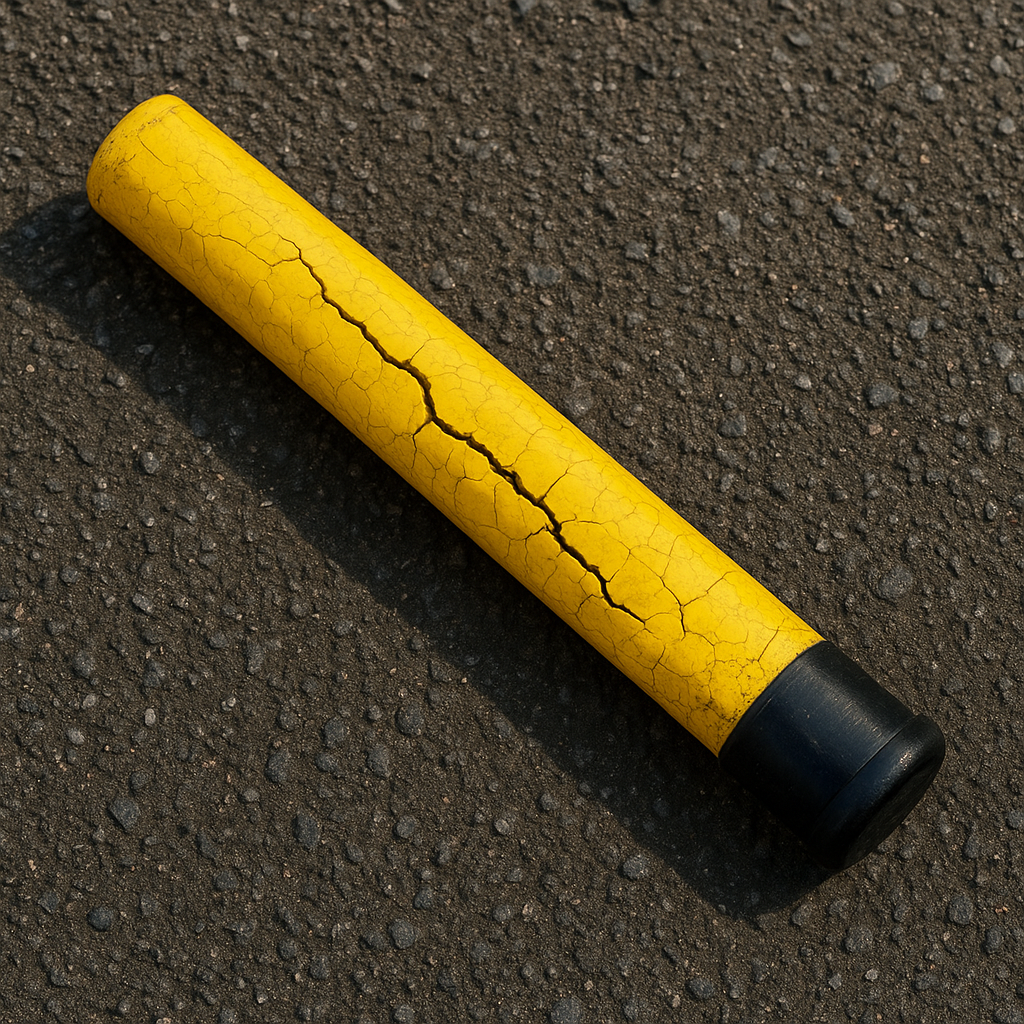
Dash-cam data shows 16:42:17: Nqoko pivots, palm up, baton out; the bull-bar kisses his thighs, the fibreglass wand cart-wheels, clangs off the signal pole and flops through the open window of a courier minibus. By 16:42:31 the baton rests on a dashboard, Smiley is on the deck, and 1 300 vehicles an hour have frozen into a tableau of ticking radiators and gaping windows.
The Ranger’s driver, a 34-year-old builder from Plett, climbs out rubbing green island paint from his bumper - no licence points lost yet, but an entire town is about to rewrite its balance sheet of empathy and anger.
2. Why High-Vis Can Paint a Target on Your Back
Knysna’s twenty-eight wardens are described by the municipality as “non-sworn, high-visibility conflict moderators.” Translation: they wear 350 cd/lx lime fabric, 5 cm prismatic tape and a snow-white helmet meant to fling back headlights from 150 m away. Smiley has been struck five times in eleven years - delivery vans, tourist SUV, teen in a mom’s hatch, and now the Ranger.
Traffic psychologists label it the target-value paradox: the brighter the uniform, the more certain motorists steer at the very object they fear colliding with. CSIR research across one-hundred-eighty SA intersections shows a warden in full kit is 1.7 times more likely to be clipped where the limit tops 60 km/h. Add George Rex’s optical trap - two 3.7 m lanes shrinking to a single 3.1 m stripe - and the island appears to rush toward the driver, swallowing the person who is actually standing a metre clear.
In short, the science of “be seen” collides with the brain’s habit of homing in on danger, turning reflective tape into a bull’s-eye.
3. A Smile as Critical City Infrastructure
Between December and January the town’s head-count trebles; 22 000 vehicles squeeze along the N2 spine each Friday, 18 % of them logging trucks avoiding the weighed-down Huguenot route. Inside that metal river Smiley’s grin - visible even through a winter balaclava - functions like social WD-40. Psychologists call it positive external regulation: one reliable cue that lowers commuters’ cortisol. B&Bs market “guaranteed Smiley sighting” in their travel-top-up packages; parents film three-second clips of him waving back at toddlers.
The numbers insist he is more than ornament. When he took stress leave in 2019, average peak-hour speeds through George Rex rose 7 % and hourly horn-honking incidents jumped from four to twenty-seven. A guest-lodge owner jokes that TripAdvisor reviews plummet in direct proportion to how many days Smiley is off sick. His nickname, originally a playground joke about crooked teeth, has become intangible but load-bearing infrastructure - part of the reason Knysna keeps breathing under seasonal gridlock.
4. When a Car Becomes a Megaphone for Rage
The Ranger’s owner had never seen the inside of a holding cell, but his Instagram - now wiped - boasted clips of “rolling coal,” diesel over-fuelled to belch black smoke at cyclists. South African ads for the 2.0 SiT promise drivers they will “command respect” and “own every road,” slogans that fertilise a sense of territorial entitlement. Witnesses say the builder gestured angrily at Smiley moments earlier, convinced outbound traffic was getting preferential green time.
In the grammar of road rage the vehicle morphed from transport to weapon: 1.3 tonnes of steel amplifying a temper tantrum. National figures show 1 048 GBH cases against traffic officials in five years - one every forty-eight hours - yet only thirteen percent end in prison time. Many offenders treat the R5 000 plea-bargain fine as an expensive toll rather than deterrent, a calculus that invites repeat performances.
5. Tools, Trauma and the Price of a Wave
Knysna issues wardens a 56 cm, 420 g fibreglass baton, a 100-lumen wrist-light that pulses at 4 Hz to jolt driver fixation, and a body-cam streaming to the cloud. They do not issue firearms, pepper-spray or defensive-driver classes. Policy forbids stepping into traffic moving faster than 30 km/h, yet gaps close at 45 km/h when commuters “jump the orange.” The daily ballet is equal parts geometry and gamble: read tyres, catch eye, retreat.
Medical data reveal traffic wardens suffer PTSD at rates matching wartime dispatch riders; Smiley’s third collision left him with tachycardia whenever brakes squeal. This fourth impact induced delayed-response amnesia - he recalls the baton flying but not the bull-bar. Four counselling sessions were deemed “adequate” by the insurer; crowdfunding topped R50 000 in six hours, enough for physiotherapy plus three months’ rent, exposing the chasm between municipal risk calculus and public gratitude.
Economics underscores the point: George Rex conveys R2.8 million in freight per day; a twelve-minute blockage costs timber trucks R180 000, cascading to R430 000 when neighbouring nodes seize. Smiley’s R12 500 monthly wage is 0.003 % of the artery he shepherds - cheap insurance, provided the city is willing to face the hidden surcharge of trauma.
What are the dangers faced by traffic wardens like Smiley in Knysna?
Traffic wardens like Smiley face significant dangers, including being struck by vehicles due to the "target-value paradox" where their high-visibility gear ironically makes them a target. They are also vulnerable to road rage incidents, with 1,048 cases of grievous bodily harm against traffic officials in South Africa over five years, leading to physical and psychological trauma. Furthermore, they are not equipped with defensive tools like firearms or pepper-spray, despite working in high-risk environments. Policy often restricts them from stepping into traffic moving faster than 30 km/h, yet vehicles frequently exceed this, forcing wardens to operate in dangerous conditions.
What is the "target-value paradox" and how does it affect traffic wardens?
The "target-value paradox" is a psychological phenomenon where highly visible objects, such as a traffic warden in bright reflective gear, can ironically become a target for motorists. Instead of drivers avoiding the highly visible object, their brains tend to home in on it, increasing the likelihood of a collision. Research indicates that a warden in full kit is 1.7 times more likely to be clipped in areas where speed limits exceed 60 km/h.
How important is Smiley's presence to the town of Knysna?
Smiley's presence is critically important to Knysna, acting as a vital piece of "city infrastructure." He provides "positive external regulation," calming commuters and reducing stress. When he took stress leave in 2019, average peak-hour speeds rose by 7% and horn-honking incidents surged from four to twenty-seven per hour. His friendly wave is so valued that it's marketed by B&Bs and filmed by parents, demonstrating his significant, load-bearing role in managing the town's severe seasonal traffic, which sees head-counts treble and 22,000 vehicles along the N2 every Friday.
How does road rage manifest against traffic wardens, and what are the consequences for offenders?
Road rage against traffic wardens can manifest as aggressive driving, verbal abuse, and even physical assault, with vehicles sometimes used as weapons. In South Africa, there were 1,048 cases of grievous bodily harm against traffic officials in five years. However, only 13% of these cases result in prison time, with many offenders opting for plea-bargain fines of around R5,000. This often treats the fine more as an "expensive toll" than a deterrent, leading to repeat offenses and a perception among some drivers of territorial entitlement on the road.
What tools and training are provided to traffic wardens, and what are their limitations?
Traffic wardens are typically issued a 56 cm, 420 g fibreglass baton, a 100-lumen wrist-light designed to jolt driver fixation, and a body-cam for streaming footage. However, they are not provided with firearms, pepper-spray, or defensive-driver classes. Policy forbids them from stepping into traffic moving faster than 30 km/h, yet traffic often exceeds this, forcing them into perilous situations where they must rely on their judgment to "read tyres, catch eye, retreat" in a daily ballet of geometry and gamble.
What are the long-term impacts of the job on traffic wardens like Smiley?
Traffic wardens like Smiley suffer significant long-term impacts, including high rates of Post-Traumatic Stress Disorder (PTSD), comparable to wartime dispatch riders. Smiley, for example, developed tachycardia after his third collision and experienced delayed-response amnesia after his fourth. Despite the severe trauma, municipal support, such as counselling, is often deemed "adequate" by insurers but falls short of actual needs. Public gratitude sometimes bridges this gap, as seen when crowdfunding raised R50,000 for Smiley for physiotherapy and rent, highlighting the disparity between municipal risk assessment and the true human cost of the job.

Kagiso Petersen is a Cape Town journalist who reports on the city’s evolving food culture—tracking everything from township braai innovators to Sea Point bistros signed up to the Ocean Wise pledge. Raised in Bo-Kaap and now cycling daily along the Atlantic Seaboard, he brings a palpable love for the city’s layered flavours and even more layered stories to every assignment.
View all articles →