
Virgin Active unveils South Africa’s first social wellness club in Cape Town
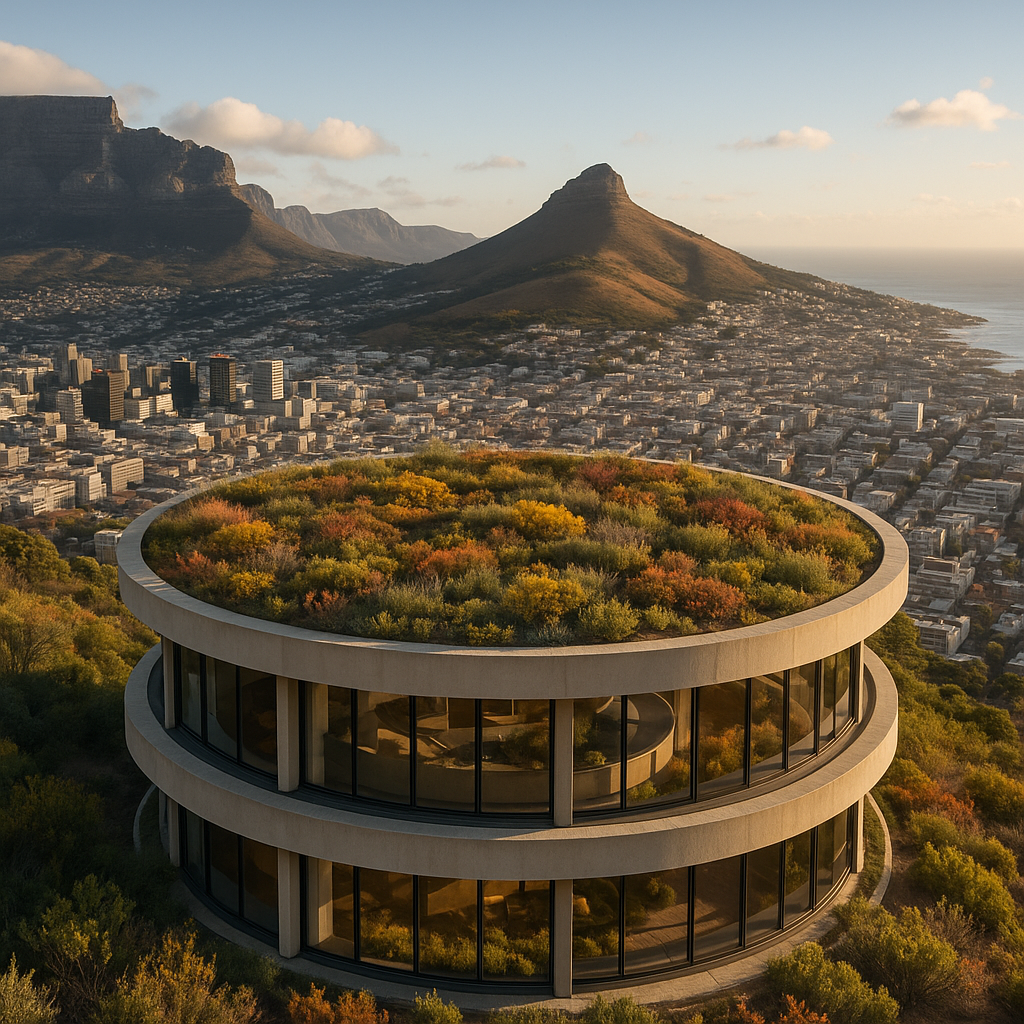
Virgin Active's new Collection Country Club in Green Point reimagines wellness with luxury architecture, unique amenities & community focus.
Cape Town's new Virgin Active gym is super fancy and not like old gyms. It has cool tech like smart cameras and AI sports. They even save water and help kids learn to swim. It's a place for fitness, working, and hanging out, all in one amazing spot.
What is unique about Virgin Active's new Collection Country Club in Cape Town?
Virgin Active's new Collection Country Club in Cape Town redefines the luxury gym experience by integrating wellness with advanced technology and community engagement. It features sophisticated biometrics, AI-powered sports facilities, water-saving innovations, co-working spaces, and social outreach programs, setting a new standard for fitness clubs in Africa with its R100-million investment.
Get Cape Town news in your inbox
Stay updated with the latest stories from the Mother City.
A R100-million R bet that treadmills are yesterday’s religion
On 19 February 2026 the old Point Club in Green Point re-opens as Virgin Active’s first African “Collection Country Club”, a 5 500 m² playground that cost just shy of R100 million and borrows its blueprint from London money-belts and Hong Kong skyscraper gyms. The twist is the address: Cape Town’s Atlantic seaboard, already the continent’s capital of sunrise trail runs, kombucha taps and vitamin-IV long-weekends. Virgin is essentially minting a private micro-city inside a city the planet books for reboot camps.
The numbers are blunt: 4 200 memberships only, dynamic pricing that punishes no-shows and rewards night-owls, and a 32 % water saving achieved by irrigating a five-storey fynbos wall with back-wash from the pool. Every tile, playlist and temperature zone is already logged on a blockchain ledger so Lagos, Nairobi and Accra can copy-paste the formula before the decade ends.
From iron temple to living room
Architect Liam Purnell’s brief was simple: “delete the foyer”. Instead of a reception desk you walk into a cedar-wrapped atrium whose slats act as a moving sundial across a Kirstenbosch-curated plant wall. The wall exhales cape chamomile and wild rosemary every time the filtration system back-flushes the 25 m pool, cutting municipal water demand by nearly a third.
Immediately left is a 120-seat co-working gallery hard-wired with 10-gig fibre and zoned acoustically so your Zoom, the coffee grinder and the deep-house playlist stay in separate universes. Tables retract into the floor at 19:00; the space becomes a speaker’s corner for nightly talks live-streamed to Virgin’s 1.8 million YouTube followers. Furniture is on wheels, power drops from the ceiling, and the espresso bar turns into a kombucha tap by sunset.
The entrance is arm-free. LiDAR cameras read your gait in 0.3 seconds, match it to your phone’s Bluetooth signature and open a gate that feels more like a hotel lobby than a gym. Day visitors pay R350; their anonymous footfall still feeds heat-maps that tell planners which corner smells like money.
The pool that teaches the city to swim
Olympic gold medallist Chad le Clos refused to lend only his name. He demanded a 25 m tank - long-course lanes scare beginners - and a retractable boom that spawns four 10 m teaching lanes for township outreach. Every Tuesday and Thursday 120 Grade-5 kids from Mandalay and Langabuses roll up; their lessons are bank-rolled by a 3 % levy snuck onto every Collection membership in the country.
Le Clos runs one masterclass a month, but the syllabus is Swim England’s Learn-to-Swim framework delivered by 14 Black and female coaches, a deliberate flip of South African swimming’s pale legacy. The goal: 10 000 kids water-safe within five years, each child logged on the same app that books your Pilates class.
The pool itself is a social equaliser. Retractable floor sections turn it into a 450-person event space at night; glass walls face the flood-lit Green Point park so joggers become accidental spectators. Virgin pockets rental fees from fashion launches and TEDx evenings, another revenue stream the old model never imagined.
Heat, ice and African storytelling
The spa circuit spirals like a Xhosa rondavel, nudging you clockwise through six temperature shocks: 38 °C African-cedar sauna, 15 °C citrus-ice shower, 45 °C hammam, 10 °C buchu-scented plunge, 60 °C salt-tiled infrared room and a final 34 °C magnesium pool that stares straight at the park. Finish the loop in under 22 minutes and the café auto-loads a turmeric latte onto your tab.
Salt tiles travel 600 km from a Northern-Cape quarry on trucks retro-fitted with side-skirts that slice diesel use by 7 % - a tweak the women-owned haulier now licences to other clients. Carbon offsets are bought through Cape Town-based Credible Carbon, but Virgin claims the real win is turning logistics into an R&D project.
An NFC wristband records dwell time, heart-rate and even which bench you favour. Data is anonymised, bundled and sold to insurers Discovery and Momentum who tweak premiums for members who can prove they sauna four times a week. You get cheaper life cover; Virgin gets a second income line that smells like eucalyptus.
Rackets, algorithms and rooftop honey
Two panoramic padel courts glow like lanterns after dark, their Playsight AI cameras auto-clipping your backhand for Instagram. One convertible court doubles as pickleball central between 10:00 and 14:00, free if your wearable logged 12 000 steps the day before. Peak-hour court fees surge 40 %; the algorithm wants butts on courts when the sun is low.
Next door, a 2 000 m² city-owned lot has been leased for five years and turned into an urban farm run by Soil for Life. Heritage tomatoes and purple basil feed the café, while 30 % of harvest is sold at a Saturday “pay what you can” market that accepts SnapScan. Members earn volunteer credits for every hour spent weeding; stack 10 credits and your parking fee disappears for a month.
Bee boxes border the beds; Cape honeybush nectar becomes “Collection Gold” honey retailing at the V&A for R110 a jar. Profits loop back into the swim-bus fund, turning exclusivity into a gentrification shock-absorber rather than a wall.
Biometrics, boardrooms and the soundtrack of sweat
The mezzanine boardroom is glass-walled and overlooks the boxing studio; at 12:30 smart-tint film darkens so your Series-B pitch isn’t upstaged by a heavyweight sparring. Desks hide UV-phone sterilisers and wireless chargers that juice your device in 90 seconds. Seventeen Cape Town start-ups - including two fintech “unicorns” - expense the R1 950 monthly fee as a “connectivity cost”, turning leg day into deal flow.
Acoustic engineers from London’s Ministry of Sound tuned each zone: cardio floors thump at 128 bpm (the key that syncs with human stride), while the yoga dome hums at 432 Hz, the so-called “Verdi pitch” alleged to drop cortisol. Directional audio beams mean you can stand two metres away and hear nothing but your own breath. Playlists evolve monthly after an AI scrapes members’ Spotify Wrapped, ensuring the soundtrack ages faster than radio.
Privacy? An opt-in 84 % majority traded their gait signature for personalised stretch routines pinged via WhatsApp. If your heart-rate dips below 35 bpm in the sauna, ceiling lights flash cyan and the medic sprints with an ice vest. The system has already caught two early-stage heat-syncope episodes during pilot testing; both members stayed for coffee and upgraded to annual cards.
A living lab franchised across the continent
Stellenbosch University’s Sport Science Institute keeps PhD students on site, harvesting sleep, HRV and mood data from volunteers who get quarterly “biological age” reports. Aggregated, anonymised findings become peer-reviewed papers on how affluent urban Africans age; participants get first dibs on experimental toys like blood-flow-restriction cuffs or psychedelic breath-work years before mainstream clinics stock them.
Virgin retains perpetual data rights, but the quid pro quo is early access to protocols that promise to shave years off your “bio-age”. The club is therefore a profit centre and a peer-reviewed laboratory, monetising the worried-well while crowdsourcing the continent’s largest private health data-set.
Collection Sandton debuts Q3 2026, but Cape Town is the reference kernel. Lagos will swap the sauna for eucalyptus steam to cut city pollution; Nairobi gets a rooftop track at 1 800 m for hypoxic training. Every bolt, playlist and thermal minute is blockchain-logged for rapid replication, making the Green Point prototype Africa’s first exportable wellness operating system - unapologetically premium, yet quietly redistributive if you follow the money trickling beneath the cedar slats.
What makes the new Virgin Active Collection Country Club in Cape Town different from traditional gyms?
Virgin Active's new Collection Country Club in Cape Town is a significant departure from traditional gyms. It's designed as a multi-functional hub where wellness, work, and social interaction converge. Unlike old gyms, it incorporates advanced technology like smart cameras for entry, AI sports facilities, and data-driven personalized experiences. It also emphasizes sustainability with water-saving innovations and community engagement through initiatives like its swimming program for children. The club offers co-working spaces, a diverse culinary experience, and a luxurious spa circuit, making it a comprehensive lifestyle destination rather than just a place to exercise.
What advanced technologies are integrated into the new club?
The club is packed with cutting-edge technology. For entry, LiDAR cameras read members' gaits and match them to phone Bluetooth signatures, providing an arm-free, seamless experience. AI-powered Playsight cameras on padel courts auto-clip highlights for social media. Data from NFC wristbands in the spa tracks dwell time and heart rate, which can influence insurance premiums. Acoustic engineering with directional audio ensures tailored soundscapes, and AI scrapes members' Spotify Wrapped to curate evolving playlists. Even the logistics of transporting materials are optimized with retro-fitted trucks for fuel efficiency, and every detail, from tiles to temperature zones, is blockchain-logged for replication.
How does the club promote sustainability and water conservation?
Sustainability is a core focus. The club achieves a 32% water saving by irrigating a five-story fynbos wall with back-wash from the 25-meter pool. The filtration system also exhales cape chamomile and wild rosemary. The urban farm on a leased city lot grows heritage produce for the café, with 30% sold at a

Hannah Kriel is a Cape Town-born journalist who chronicles the city’s evolving food scene—from Bo-Kaap spice routes to Constantia vineyards—for local and international outlets. When she’s not interviewing chefs or tracking the harvest on her grandparents’ Stellenbosch farm, you’ll find her surfing the Atlantic breaks she first rode as a schoolgirl.
View all articles →