
WC Blood Service issues urgent appeal amid critical O-negative shortage
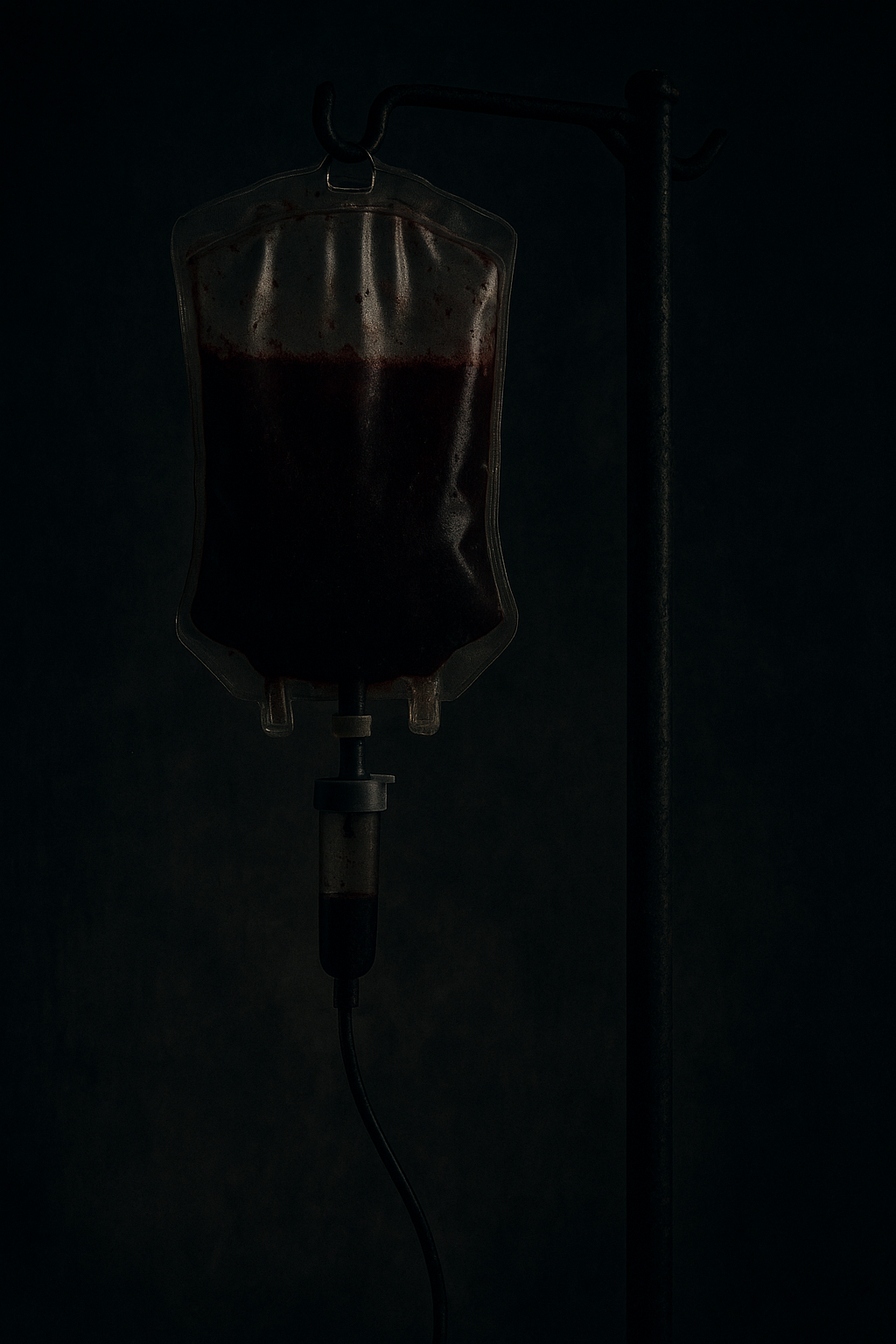
WC's O-Negative blood reserve hits critical 2-day low as Easter approaches. Learn why the universal donor is disappearing and its cost.
- ## Western Cape’s Universal Lifeline: 48 Hours of O-Negative Left Before Easter Exodus*
The Western Cape is facing a big problem: they are almost out of O-negative blood, which is a very special type that anyone can get. With just 48 hours of supply left before the busy Easter holiday, doctors are super worried. This blood is used a lot in emergencies, like car crashes, and the holiday means more accidents. They need new donors fast to help save lives.
Why is O-negative blood so crucial and in high demand?
O-negative blood is considered the "universal donor" because its red cells lack A, B, or Rh-D labels, making it compatible with any blood type in emergencies. This makes it vital for trauma cases where cross-matching time is limited, leading to it being used faster than other blood groups, especially during peak accident periods.
Get Cape Town news in your inbox
Stay updated with the latest stories from the Mother City.
Inside the Cold Store: How 229 Units Became the New Panic Number
At 06:30 sharp, tablets in 11 Western Cape hospitals blink red.
The dashboard refreshes, but the only figure anyone watches is the O-negative countdown.
This morning it lands on 229 - equal to 1.9 days of cover for 7.4 million residents.
Neo-Gramma, the robotic freezer at N1 City, spat out its final O-negative pack at 03:12.
Destination: Tygerberg trauma bay.
By sunrise, the “hours-to-zero” column had replaced temperature as the frantic vital sign.
The fridge still holds its steady 4 °C, yet the thermometer cannot fix a haemorrhaging inventory.
Clinicians now refresh the screen the way they once checked pulses.
When the stock clock drops under 48 hours, every beep echoes like a flatline.
Why the “Universal Bullet” Vanishes Faster Than Any Other Blood Group
O-negative red cells carry zero A, B or Rh-D labels, so they fit every body in the first chaotic minutes.
Cross-match paperwork is still warming the printer while the first bag is already dripping into a pressure infuser.
On an average Saturday, Cape Town’s four level-one trauma hospitals pour 130 O-negative units into bleeding arteries.
Add Easter’s alcohol-fuelled collisions and the burn rate leaps 42 %.
One mangled aorta on the N2 can swallow 50 packs before the anaesthetist finishes charting allergies.
Long-weekend tourism funnels 560 000 extra cars through the Huguenot Tunnel, each one a potential sponge for the province’s last universal blood.
Surgeons dislike uncertainty, so they pre-book O-negative for operations that could technically wait.
Scheduled caesareans, paediatric stem-cell boosts and open-heart pumps already sit on tomorrow’s slate.
When the fridge gauge flashes “low,” elective theatres switch off faster than load-shedding blocks.
From Campus Couches to Helicopter Chains: The Real Price of Running Dry
Harvesting a single 480 ml bag costs R1 200 and 167 km of refrigerated mileage.
Once the provincial shelf is bare, Gauteng freight lifts replacement units in at R4 500 each - cold-chain escort extra.
The provincial health budget never bankrolled that surcharge; it simply materialises when a life is already on the table.
Rationing protocols tighten like tourniquets.
Ambulances may no longer spike O-negative en route unless systolic pressure sinks below 70 mmHg.
Labs dilute leftover stock with saline, accepting a thinner haematocrit so two more babies can squeeze an extra day.
Walking blood banks still exist behind the scenes.
Eighty-seven verified O-negative staff at Tygerberg carry a WhatsApp summons to report for arm-time within 45 minutes.
In 2022, an intern donated during her lunch break, then scrubbed back in to staunch the same patient she had just refilled.
Your Arm, Their Heartbeat: How to Claim a 30-Minute Slot That Saves Three Strangers
Only 3 % of South Africans bleed O-negative, yet the Western Cape expects 75 % of its supply from this sliver.
Most regular donors are 60-plus and boarding planes for Easter, so 19-year-old first-timers are gold.
If they return within 90 days, seven in ten become lifers; hence WCBS chases campuses, not retirement villages.
Eligibility is simple: age 16-75, weight above 50 kg, haemoglobin 12.5 g/dL or higher, no tattoo or malaria zone in the past 28 days.
PrEP users must pause for 30 days; that rule is under review but still enforced.
Booking online through the Discovery app now beats walk-ins three to one; 14:30 on weekdays is the sweet spot when meetings stall and managers look away.
Give 480 ml and the lab spins it into red cells for crash victims, platelets for chemo kids, and plasma for burn units.
A car crash devours 4.2 packs; a preemie 0.03; a marrow graft 12.
The blood you lose will never see your veins again, yet 48 hours later it may ferry oxygen through three pairs of lungs you will never meet - one arm, half an hour, zero reflection, infinite ripple.
[{"question": "### What is the current O-negative blood supply situation in the Western Cape?", "answer": "The Western Cape is facing a critical shortage of O-negative blood, with only 229 units remaining, which equates to approximately 1.9 days of cover. This is particularly concerning as the busy Easter holiday period, known for increased accidents, is approaching."}, {"question": "### Why is O-negative blood so important and in high demand?", "answer": "O-negative blood is known as the 'universal donor' because its red blood cells lack A, B, or Rh-D antigens, making it compatible with any blood type. This makes it crucial for emergency and trauma situations where there's no time for blood type matching, such as car crashes. It's often used faster than other blood types, especially during peak accident times."}, {"question": "### How does the Easter holiday impact blood demand?", "answer": "The Easter holiday typically leads to a significant increase in accidents, often alcohol-fueled. This can cause the demand for O-negative blood to surge by as much as 42%. The influx of around 560,000 additional cars through areas like the Huguenot Tunnel also increases the potential for trauma cases."}, {"question": "### What happens if the O-negative blood supply runs out?", "answer": "If the O-negative supply runs dry, strict rationing protocols are implemented. Ambulances may only administer O-negative blood if a patient's systolic pressure falls below 70 mmHg. Labs may dilute existing stock with saline to stretch it further, and elective surgeries requiring O-negative blood may be postponed. In extreme cases, replacement units might be airlifted from other provinces like Gauteng at a much higher cost."}, {"question": "### Who can donate O-negative blood and how can I help?", "answer": "Only about 3% of South Africans have O-negative blood. Eligible donors must be between 16 and 75 years old, weigh over 50 kg, and have a hemoglobin level of 12.5 g/dL or higher. There are also restrictions regarding tattoos, travel to malaria zones, and the use of PrEP medication. You can book an appointment online, for example, through the Discovery app, with 14:30 on weekdays often being a good time."}, {"question": "### What is the impact of a single blood donation?", "answer": "A single donation of 480 ml of blood can be separated into red cells, platelets, and plasma, potentially saving up to three lives. For instance, red cells are vital for accident victims, platelets for chemotherapy patients, and plasma for burn units. While the blood you donate will not re-enter your own veins, it can provide life-saving oxygen to three different individuals within 48 hours."}]

Hannah Kriel is a Cape Town-born journalist who chronicles the city’s evolving food scene—from Bo-Kaap spice routes to Constantia vineyards—for local and international outlets. When she’s not interviewing chefs or tracking the harvest on her grandparents’ Stellenbosch farm, you’ll find her surfing the Atlantic breaks she first rode as a schoolgirl.
View all articles →