
WEATHER: Mild, sunny Wednesday expected in Gauteng, Cape Town will be cloudy
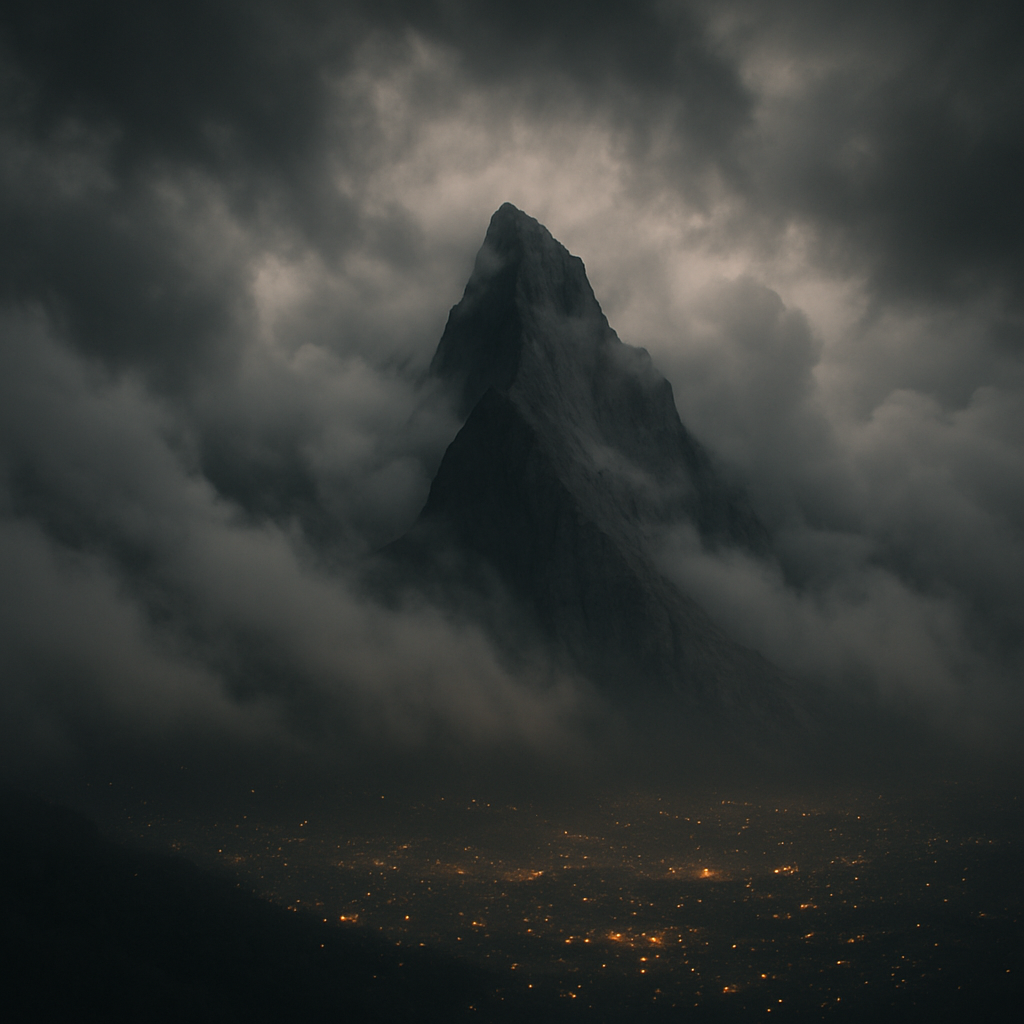
Cape Town faces persistent cloud cover due to unique geography and regional patterns. Other SA cities experience varied weather.
Cape Town's climate is shaped by seasonal interactions between the South Atlantic High and midlatitude cold fronts; high pressure generally suppresses clouds, while winter frontal systems bring cloud and rain. This makes the clouds stick around, especially near Table Mountain, keeping the city darker and warmer at night. Other cities like Johannesburg and Durban have very different weather, with more sun or humidity, showing how unique Cape Town's weather is.
Why is Cape Town experiencing such persistent cloudy weather?
Cape Town's persistent cloudy weather results from the interaction of the South Atlantic high-pressure system, seasonal frontal movements, and unique topography. Moisture-laden air collides with Table Mountain, creating lasting cloud formations. The Benguela Current contributes to cool, stable conditions along the west coast, and cloud cover can reduce daytime heating and limit nighttime cooling.
Get Cape Town news in your inbox
Stay updated with the latest stories from the Mother City.
The Mother City's Unyielding Cloud Blanket
Current forecast sources describe Cape Town as clear, sunny, or only partly cloudy, not under a persistent extensive cloud layer. Forecasts indicate clear or partly cloudy weather, with low cloud cover in Cape Town rather than persistent grey skies through the night. This extended period of overcast conditions stems from intricate interactions between the South Atlantic high-pressure system and seasonal frontal movements sweeping across Africa's southern extremity.
The surrounding topography plays a decisive role in shaping these atmospheric conditions. When moisture-laden air arrives from the northwest, it collides with Table Mountain and the Hottentots-Holland range, triggering cooling processes that spawn lasting stratocumulus and stratus cloud formations. Residents recognize this effect through the famous "tablecloth" phenomenon - clouds cascading over Table Mountain's flat summit - which helps explain why the city maintains its reputation for capricious weather even during warmer months.
Understanding the Western Cape's Atmospheric Environment
Examining Cape Town's skies requires considering wider forces affecting the entire Western Cape province. The Benguela Current moves cold water northward along Africa's southwestern shoreline, keeping ocean temperatures far below typical levels for this latitude. This temperature gap between chilly maritime air and warmer land masses establishes atmospheric stability that encourages clouds to linger rather than scatter.
Orbital monitoring equipment captures an impressive cloud formation stretching from Saldanha Bay toward Cape Agulhas in the southeast, indicating these grey conditions constitute a large-scale weather feature rather than isolated local development. The South Atlantic High can extend eastward or ridge around southern Africa, helping bring onshore moisture flow and contributing to rainfall in parts of South Africa, including the southwestern Cape under some synoptic and seasonal conditions.
Nighttime cloud retention produces notable temperature effects. These atmospheric layers function as infrared barriers, blocking the radiative heat loss that would normally happen beneath clear dark skies. As a result, Cape Town's overnight lows will probably stay higher than those in surrounding countryside where unobstructed skies allow greater thermal escape beyond the urban heat island's reach.
How Other Major Cities Experience Different Skies
Johannesburg and Highveld Conditions
Cape Town's ocean-dominated grey weather stands in sharp opposition to Johannesburg's atmospheric personality. The Witwatersrand plateau rises to significant elevation above sea level, creating conditions governed by continental rather than maritime factors. This elevated terrain produces wide daily temperature swings, with transparent skies enabling strong daytime warming followed by swift nighttime cooling.
The Highveld's dry season brings sharp mornings and mainly sunny weather, though winter temperature inversions occasionally capture moisture and contamination in shallow atmospheric layers, producing hazy vistas that might mistakenly appear cloudy. Johannesburg's dense downtown skyscrapers generate distinctive wind effects through urban canyon dynamics, sometimes surprising inhabitants with sudden blasts during otherwise still periods.
Convection above the Highveld follows a clear daily rhythm, with cumulus clouds typically appearing by late morning and reaching peak height early afternoon. The city's well-known afternoon electrical storms, most common during summer, result from combining orographic lift over the northern Magaliesberg with thermal instability in thoroughly mixed atmospheric layers.
Durban's Subtropical Coastal Climate
Durban occupies a subtropical position along the Indian Ocean, guaranteeing fundamentally different weather from Cape Town's experience. The warm Mozambique Agulhas Current flowing southward past KwaZulu-Natal maintains ocean temperatures regularly surpassing 24°C even through winter. This thermal reservoir supplies abundant moisture and energy for atmospheric processes, establishing Durban's identity as humid and rainy.
The city's placement between summer and winter rainfall zones generates complicated seasonal precipitation patterns. When moist maritime air rises against the Drakensberg escarpment, rainfall increases dramatically, with coastal locations receiving far less than elevated inland stations just kilometers distant.
Natal often sees early morning fog and low cloud dissipating by mid-morning - a pattern essentially opposite to Cape Town's stubborn overcast. Sea breeze circulation, powered by uneven heating between land and ocean, usually develops by late morning and can advance significant distances inland when pressure gradients permit.
Pretoria's Northern Gauteng Character
South Africa's administrative capital sits slightly north of Johannesburg, sharing the Highveld's continental climate while displaying subtle differences from its slightly reduced elevation and more northerly location. The Magaliesberg range to the northwest creates orographic effects that sometimes produce isolated precipitation events separate from larger regional systems.
Pretoria's urban heat island has strengthened noticeably across recent decades as suburban growth replaced natural plant cover with paved surfaces. This thermal alteration modifies local wind patterns and may trigger thunderstorm development, with studies indicating enhanced convection above developed zones compared to nearby rural territory.
The Jacaranda City's celebrated purple blossoming period, occurring typically in October and November, coincides with the shift between dry winter conditions and summer storm season, making meteorological prediction especially difficult during this yearly interval.
Port Elizabeth's Transitional Position
Port Elizabeth holds a fascinating climatological location, experiencing influences from warm Agulhas waters to the east and cooler Benguela-affected seas to the west. This intermediate position yields highly changeable weather, with the city often witnessing abrupt wind changes as opposing air masses struggle for control.
The coastal low phenomenon, frequent along South Africa's southeastern shore, creates particularly demanding forecast situations for Port Elizabeth. These shallow mesoscale systems can generate unexpected rain, restricted visibility, and temperature inversions trapping moisture and pollution near ground level. The city's "Windy City" nickname reflects persistent pressure gradients and channeled terrain accelerating airflow through Algoa Bay.
Looking Ahead: Seasonal Patterns and Implications
Current South African weather reflects the gradual northward withdrawal of subtropical high-pressure belts alongside strengthening westerly wave activity across southern oceans. Cape Town's lingering cloudiness matches historical trends for this season, though specific synoptic situations determine whether such conditions bring harmless grey skies or active rainfall.
The complicated terrain surrounding Cape Town - from the dramatic Cape Peninsula spine to the folded Boland mountains - ensures micro-scale weather variations across distances of mere kilometers. Southern suburb inhabitants may encounter markedly different conditions from northern suburb dwellers simultaneously, presenting formidable challenges for even advanced numerical forecasting systems.
Extended predictions indicate Cape Town's cloud persistence may slowly give way to more changeable conditions as temporary high-pressure ridges interrupt the present moist westerly stream. Such shifts, when they materialize, often feature striking clearing sequences as drier continental air displaces the maritime mass dominating recent days. The timing of these pattern changes remains constrained by inherent predictability limits in mid-latitude atmospheric dynamics, where minor initial uncertainties expand dramatically across forecast periods exceeding several days.
Agricultural consequences of Cape Town's present weather deserve attention, since the Western Cape's Mediterranean climate zone relies heavily on winter precipitation for upcoming growing seasons. Cloudy conditions lacking substantial rainfall represent undesirable outcomes for water management, particularly given the region's recent severe drought culminating in the historic "Day Zero" emergency of 2017-2018. Soil moisture restoration and reservoir replenishment remain critical priorities transforming meteorological data into genuine public interest matters.
For city inhabitants, psychological aspects of prolonged grey periods warrant recognition. Research literature connects Cape Town's winter cloud persistence to seasonal mood patterns, with the city's latitude positioning it where daylight duration and solar exposure variations become physiologically meaningful. The contrast between dim maritime conditions and brilliant sunshine typically following cold front passages creates emotional weather volatility mirroring its atmospheric counterpart.
Why is Cape Town experiencing such persistent cloudy weather?
Cape Town's persistent cloudy weather results from a combination of factors: the South Atlantic high-pressure system, seasonal frontal movements, and unique topography. Moisture-laden air is channeled by the high-pressure system towards the Western Cape. When this air encounters Table Mountain and the Hottentots-Holland range, it cools and forms lasting stratocumulus and stratus clouds. The Benguela Current contributes to cool, stable conditions along the west coast, and cloud cover can reduce daytime heating and limit nighttime cooling. This phenomenon is often seen as the "tablecloth" effect over Table Mountain.
How does Cape Town's weather compare to other major South African cities?
Cape Town's ocean-dominated, often grey weather stands in stark contrast to other major South African cities. Johannesburg, located on the Highveld plateau, experiences continental weather with wide daily temperature swings, often sunny skies, and summer afternoon electrical storms. Durban, with its subtropical coastal climate, is known for humidity, abundant moisture from the warm Mozambique Agulhas Current, and frequently sees early morning fog that dissipates later. Pretoria shares the Highveld's continental climate but has subtle differences due to its slightly lower elevation and more northerly position. Port Elizabeth has a transitional climate, influenced by both warm Agulhas waters and cooler Benguela-affected seas, leading to highly changeable weather and often strong winds.
What role does the Benguela Current play in Cape Town's cloudiness?
The Benguela Current is crucial to Cape Town's persistent cloudiness. This cold current flows northward along Africa's southwestern shoreline, keeping ocean temperatures significantly lower than typical for the latitude. The temperature difference between this chilly maritime air and the warmer land masses creates atmospheric stability. This stability encourages clouds to form and linger rather than dissipate, effectively trapping moisture and contributing to the overcast conditions.
How do these clouds affect nighttime temperatures in Cape Town?
The extensive cloud cover over Cape Town has a notable effect on nighttime temperatures. These atmospheric layers act as infrared barriers, preventing the radiative heat loss that would normally occur under clear, dark skies. As a result, Cape Town's overnight low temperatures tend to be higher than those in surrounding rural areas where unobstructed skies allow for greater thermal escape. This means the city stays warmer at night than it would if the skies were clear.
What is the "tablecloth" phenomenon and how does it relate to Cape Town's weather?
The "tablecloth" phenomenon refers to the distinctive sight of clouds cascading over the flat summit of Table Mountain. This occurs when moisture-laden air, often from the northwest, is forced upwards by the mountain. As the air rises, it cools and condenses, forming a blanket of clouds that appears to spill over the mountain's edge. This effect is a key indicator of the unique topographic influence on Cape Town's weather, demonstrating how the mountain actively shapes the city's atmospheric conditions and contributes to its persistent cloud cover.
What are the broader implications of Cape Town's weather patterns?
Cape Town's weather patterns have several broader implications. Environmentally, the region's Mediterranean climate relies heavily on winter rainfall, and cloudy conditions without substantial precipitation can negatively impact water management, especially given past droughts like the 2017-2018 "Day Zero" crisis. Agriculturally, soil moisture restoration and reservoir replenishment are critical. Psychologically, prolonged grey periods can affect mood patterns, with research linking Cape Town's winter cloud persistence to seasonal mood variations. The city's micro-climates, influenced by its complex terrain, also present significant challenges for accurate weather forecasting over short distances.

Thabo Sebata is a Cape Town-based journalist who covers the intersection of politics and daily life in South Africa's legislative capital, bringing grassroots perspectives to parliamentary reporting from his upbringing in Gugulethu. When not tracking policy shifts or community responses, he finds inspiration hiking Table Mountain's trails and documenting the city's evolving food scene in Khayelitsha and Bo-Kaap. His work has appeared in leading South African publications, where his distinctive voice captures the complexities of a nation rebuilding itself.
View all articles →