
Western Cape High Court dismisses interdict against baboon management plan
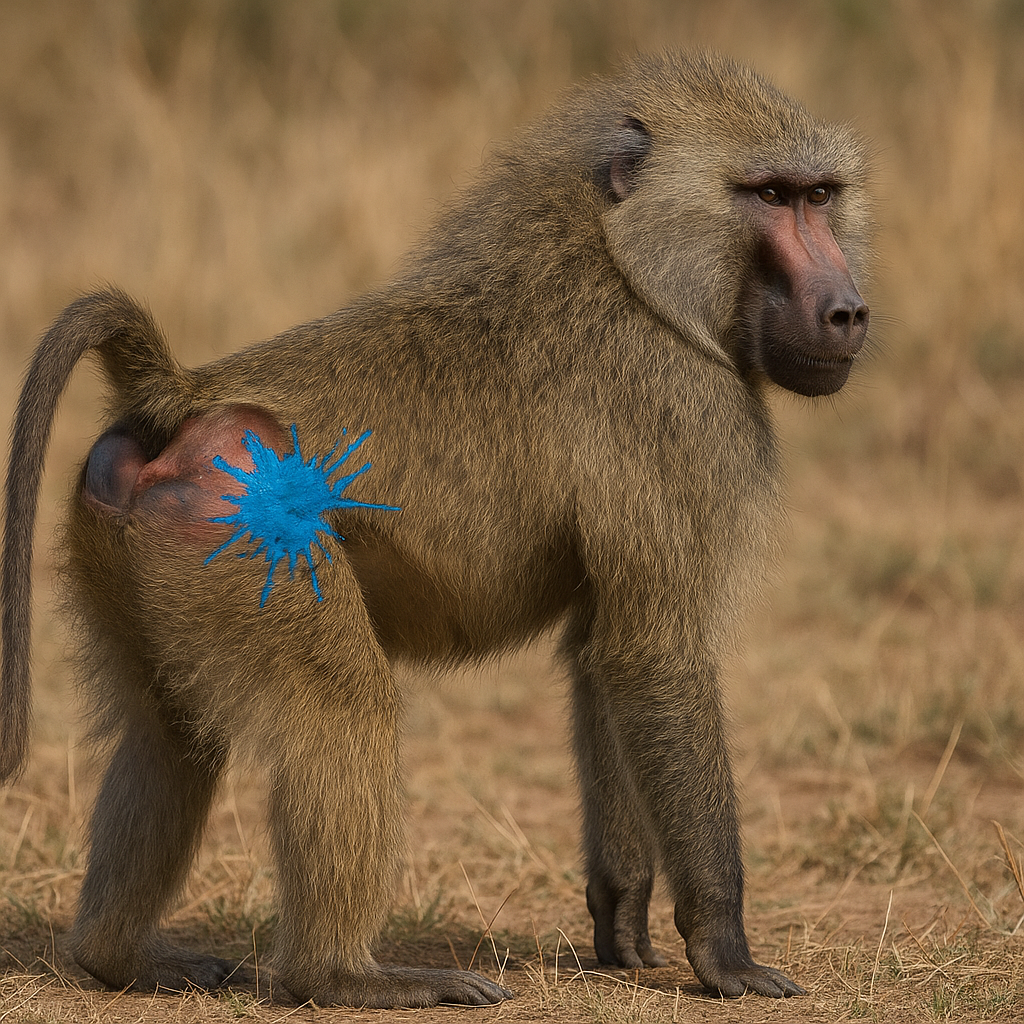
Cape Town's controversial baboon management plan faces legal challenges. Discover the court's ruling and the science behind human-baboon coexistence.
Cape Town has a big problem with baboons getting into human areas, causing lots of trouble. So, they made a new plan, like a rulebook, to keep baboons out of town using things like paintball guns to mark boundaries and special 'sweeps' at night to move them. Some people are mad, saying it's mean to the baboons, while others say it's needed to keep people safe. A court even got involved, but the plan is still going forward, trying to find a way for people and baboons to live together without so much drama. The most important phrase is: trying to find a way for people and baboons to live together without so much drama.
What is Cape Town's new baboon management plan?
Cape Town's new baboon management plan, approved in November 2025, is a 212-page strategy combining ecological understanding with urban operations. It aims to reduce human-baboon conflict through tactics like night-time "sweeps" to herd baboons, paintball hazing to define spatial boundaries, and compulsory micro-chipping and medical checks for adult male baboons. The plan emphasizes data-driven approaches and community involvement.
Get Cape Town news in your inbox
Stay updated with the latest stories from the Mother City.
Dawn in Court 3A: Khaki, Claims and a Judge’s Glare
At 09:00 on 19 February 2026 the Western Cape High Court’s smallest courtroom looked like a ranger reunion. SANParks ecologists, CapeNature vets, City lawyers and two rival protest factions - one wearing “Back the Baboons” sunflowers, the other “Keep Kids Safe” badges - packed the benches so tightly that the air-conditioner gave up. Everyone waited to learn whether a last-minute interdict would freeze the peninsula’s newest baboon protocol, the most debated since the 2004 contraception experiment.
The Liberty Fighters Network, a Gauteng-based lobby, and its Johannesburg estate-agent leader Reyno de Beer demanded an immediate halt to three tactics: night-time “sweeps” that push sleeping troops back onto public land; paintball shots meant to redraw spatial lines; and the compulsory micro-chipping and medical check-up of every adult male in the eleven monitored troops. They branded the package “state-sponsored cruelty” and waved a leaked WhatsApp voice note in which a ranger jokes about “getting my eye in after lockdown.”
Judge Nolwandle Mabaso was unimpressed. She opened her ruling with a ten-minute scolding for the 712 pages of extra documents dumped on the court at 22:37 the previous night. “Litigation is not theatre,” she told de Beer, who insisted on arguing the matter himself. After dissecting section 38 of the Constitution - who may sue to protect rights - she found the applicants lacked direct interest, awarded a punitive costs order and dismissed the case without touching the merits. The plan stayed alive; the applicants left lighter in pocket and pride.
What the 212-Page Playbook Really Says
Approved in November 2025 after four years of workshops, the Action Plan is equal parts ecology lecture and urban operations manual. Chacma baboons are keystone seed dispersers; without them, 34 plant species - including the iconic king protea - struggle to germinate. Yet seaside suburbs, vineyards and Instagram selfies have squeezed the animals into 470 km² of coastal thicket where calorie-rich garbage is easier to find than fynbos bulbs. Between 2010 and 2020 human-baboon incidents jumped 340 %. Over-fed males now average 33 kg, nearly double the weight of their Cape Point relatives, and vets regularly pull marshmallows, doughnuts and once an entire charcuterie platter from post-raid stomach contents.
To reverse the buffet culture, managers treat “spatial fidelity” as public-health policy. At 05:00 forward observers radio GPS locations of collared matriarchs. If a troop crosses the monthly-updated “red line” a two-tier reaction starts: herding with sirens, strobe lights and shaker cans; then, if needed, paintball pellets fired from at least 20 m at ≤90 m s⁻¹ using water-soluble, bird-safe dye. Every shot is time-stamped, GPS-tagged and uploaded to a public blockchain portal run by UCT computer scientists - an African first in open-access wildlife data.
After dark the choreography changes. Thermal drones with FLIR Boson 640 cameras spot sleep sites; rangers form a quiet “walking fence” of red-filtered torches and soft claps to escort animals toward the mountain. No pyrotechnics or firearms are allowed after 19:00. Micro-chipping takes place during routine sedation: a 0.9 mm RFID capsule slips between the shoulder blades in 30 seconds while vets screen blood for herpes B, TB and drug-resistant staph. The 128-bit encrypted code lets any ranger with a hand-held reader know whether the burly male glaring from a roof has prior convictions for bin burglary.
Money, Bins and Bullets: The Community Scorecard
The three-year war-chest stands at R 87 million, funded 45 % by SANParks, 30 % by the City, 20 % by CapeNature and 5 % from a WWF-Green Trust grant meant originally for abalone patrols. Roughly R 22 million is earmarked for “human-behaviour change,” a polite way of saying 24-hour waste control. Since August 2025 the City has installed 1 800 gyroscopic wheelie bins that lock when tilted >30°; a Stellenbosch start-up claims the devices cut raids by 92 % within a month. Santam insurance data appear to agree: Constantia “animal damage” claims dropped 38 % in the last quarter of 2025.
Feelings on the street are messier. The Kommetjie Residents Association calls paintballing “sanctioned abuse” and hosts moon-lit vigils at roadblocks; their “Stop the War on Baboons” petition rode a red London bus to Parliament with 4 200 signatures. Counter-lobby Simon’s Town Ratepayers Forum circulated photos of a four-year-old girl who needed 46 stitches after a kitchen incursion and demands tougher action. Between the two poles sits the Baboon Advisory Group - 32 seats for scientists, welfare NGOs, ratepayers, traditional healers, tourism reps and officials - whose YouTube livestreams average 87 viewers, most of whom seem happier slugging it out on Facebook.
Green Group Simonstown NPC, mistakenly listed as a co-applicant by LFN, hurriedly distanced itself. Chair and shark biologist Dr Kim Chater - who only learnt of the case while tagging great whites off Seal Island - filed an affidavit praising parts of the plan and urging open-access thermal footage so that machine-learning students can track troop dynamics without darting animals. The olive branch illustrates a wider truism: even conservationists who dislike paintball prefer data to drama.
Stress Hormones, TikTok Tricks and Political Footballs
Hard science complicates the slogans. A 2025 Animal Behaviour paper shows troops hit by more than three paintball events a month cut urban foraging time by 47 % within 90 days - but walk 2.4 km farther daily, burning extra calories. Faecal cortisol work about to appear in Conservation Letters finds stress spikes only when helicopters join the chase; ground-only teams keep hormone levels statistically identical to control groups. Even cooler, UCT Masters student Aisha Patel has decoded a low-frequency “grunt-girney” call emitted 0.8 seconds before raiding; she envisions Raspberry-Pi early-warning boxes on lamp posts blasting leopard-snarl klaxons before rangers roll out of bed.
Court victories do not end legal exposure. The NSPCA is preparing a fresh lawsuit under the Animals Protection Act, citing 12 body-cam clips where trainees fired at <10 m in breach of protocol. SANParks replies that those shooters were immediately retrained and that the 3 211-shot quarterly average distance remains 24 m. Meanwhile the Centre for Environmental Rights intends to use PAIA to force disclosure of the adaptive-management algorithms, arguing that machine-learning code deciding when a troop is “too urban” is reviewable administrative action.
Business is already recalibrating. Cape Town Tourism reckons baboon-related booking cancellations cost R 120 million in 2024; the board predicts the figure could halve if the plan works. AirBnB now offers a “Baboon-Safe” badge for properties with lockable waste cages, ≤8 000 V perimeter fencing and guest briefings by accredited guides. Early badge holders report 17 % higher occupancy, proof that ethical wildlife branding can pay. Conversely, a Kommetjie pizzeria famed for Instagram-friendly “Baboon Breakfast Buffets” has folded, claiming the programme “expropriated” its clientele - an assertion most constitutional lawyers greet with scepticism.
Future gizmos are knocking. The Joint Task Team has asked industry for baboon-specific drone frequencies, AI-timed scent diffusers spraying synthetic leopard urine, biodegradable capsaicin bullets that rot after 72 hours of rain, and solar troop-counters that read RFID chips at trail bottlenecks. Pilots must be ready before the 2027 grape harvest turns Constantia into a primate candy store. All prototypes face twin ethical vetting: veterinarians plus an animal-welfare panel that includes a retired judge and a traditional healer.
Politicians sense opportunity. With local elections ten months away, the DA touts the plan as proof of rational governance; the EFF calls it “anti-poor” because paintballs fly mainly in rich suburbs; the Freedom Front Plus claims the state favours monkeys over farm-attack victims. Reyno de Beer, saddled with a R 1.3 million costs order, still vows to run as an independent on a “Baboons Before Billionaires” platform. Yet the most telling post-script may be a viral TikTok clip: a juvenile female dubbed “Tupper” has learned to defeat the gyroscopic bin by bouncing it until the latch releases. Engineers are already designing a counter-lock; the baboons, as always, are beta-testing tomorrow.
What is Cape Town's new baboon management plan?
Cape Town's new baboon management plan, approved in November 2025, is a 212-page strategy combining ecological understanding with urban operations. It aims to reduce human-baboon conflict through tactics like night-time "sweeps" to herd baboons, paintball hazing to define spatial boundaries, and compulsory micro-chipping and medical checks for adult male baboons. The plan emphasizes data-driven approaches and community involvement, ultimately trying to find a way for people and baboons to live together without so much drama.
Why was the baboon management plan taken to court?
The Liberty Fighters Network, a Gauteng-based lobby group, filed an urgent interdict in the Western Cape High Court on February 19, 2026, to halt three key tactics of the plan: night-time "sweeps," paintball hazing, and compulsory micro-chipping and medical check-ups for adult male baboons. They branded the plan as "state-sponsored cruelty." However, the court dismissed the case due to the applicants' lack of direct interest, allowing the plan to proceed.
How does the plan use paintball guns and night-time sweeps?
The plan uses paintball pellets, fired from at least 20 meters with water-soluble, bird-safe dye, to redraw spatial boundaries if a baboon troop crosses a monthly-updated "red line." Every shot is time-stamped, GPS-tagged, and uploaded to a public blockchain portal for transparency. Night-time sweeps involve thermal drones to locate sleep sites, followed by rangers forming a quiet "walking fence" with red-filtered torches and soft claps to escort baboons towards the mountain, without the use of pyrotechnics or firearms after 19:00.
What are the financial aspects and community reactions to the plan?
The three-year budget for the plan is R87 million, funded by SANParks, the City, CapeNature, and a WWF-Green Trust grant. A significant portion (R22 million) is allocated to "human-behavior change," focusing on waste control. While some residents' associations, like Kommetjie's, protest the paintballing as "sanctioned abuse," others, like the Simon's Town Ratepayers Forum, demand tougher action due to safety concerns. The plan has also led to innovations like baboon-proof bins, which have significantly reduced raids, and an increase in "Baboon-Safe" tourism initiatives.
What scientific evidence supports or challenges the plan's methods?
Scientific studies show that troops subjected to more than three paintball events a month reduce urban foraging by 47% but walk further daily. Faecal cortisol analysis indicates stress spikes only when helicopters are involved, not with ground teams. Research is also exploring early-warning systems using baboon vocalizations. However, legal challenges persist, with the NSPCA preparing a lawsuit over protocol breaches in paintball firing, and the Centre for Environmental Rights seeking disclosure of adaptive management algorithms, highlighting the ongoing debate between data-driven conservation and animal welfare concerns.
What future technologies and political implications are associated with baboon management?
The Joint Task Team is exploring advanced technologies such as baboon-specific drone frequencies, AI-timed scent diffusers spraying synthetic leopard urine, and biodegradable capsaicin bullets. These prototypes undergo strict ethical vetting. Politically, the plan has become a contentious issue in local elections, with different parties using it to highlight their governance approaches. Despite the complexities, the overarching goal remains trying to find a way for people and baboons to live together without so much drama, even as baboons, like the juvenile female 'Tupper,' continue to adapt to human-designed solutions, pushing engineers to innovate further.

A Russian-Spanish journalist and Cape Town native, channels his lifelong passion for South Africa into captivating stories for his local blog. With a diverse background and 50 years of rich experiences, Serjio's unique voice resonates with readers seeking to explore Cape Town's vibrant culture. His love for the city shines through in every piece, making Serjio the go-to source for the latest in South African adventures.
View all articles →