
Westridge swim gala promotes water safety as Cape Town pools open for school holidays
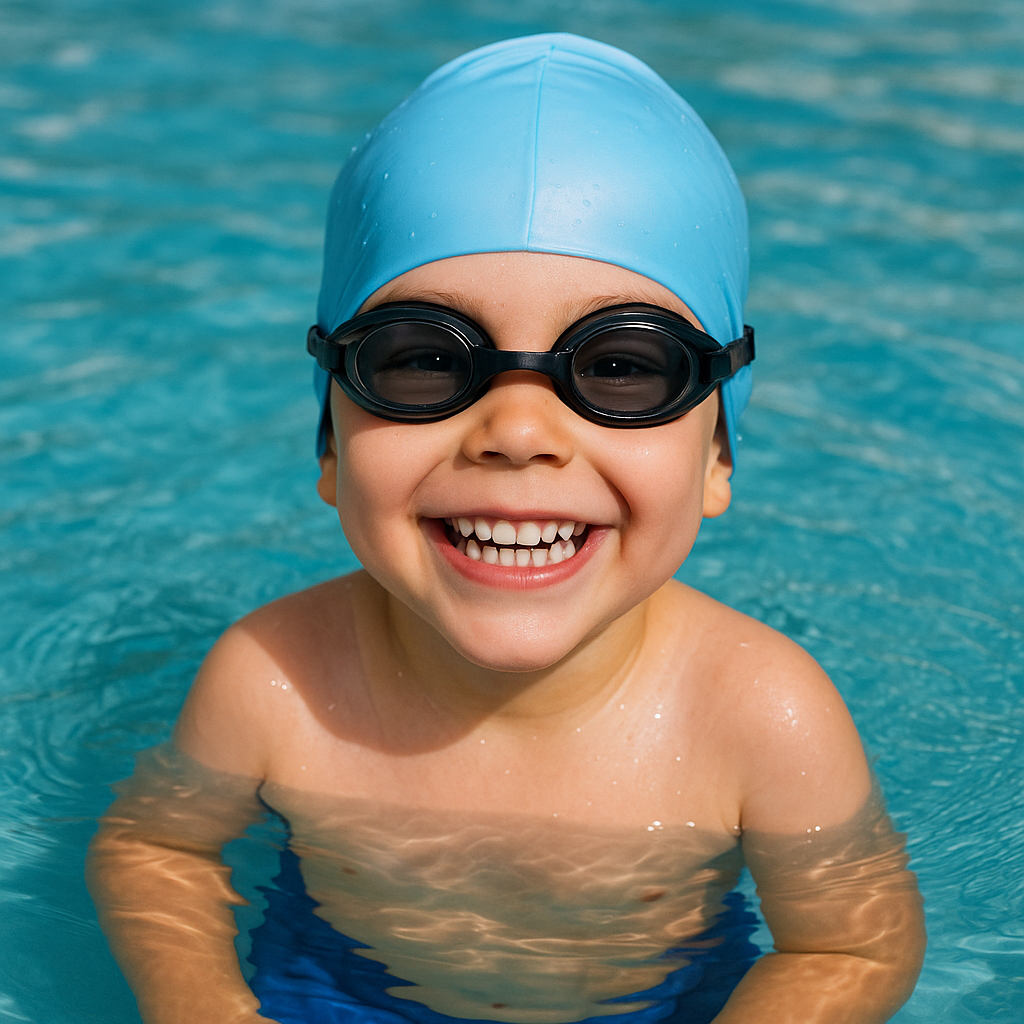
Cape Town's 2026 Learn-to-Swim Gala: Splashes, smiles, and vital survival skills for 140 young athletes.
Cape Town's Learn-to-Swim Fun Gala is an exciting event where kids celebrate becoming confident swimmers! It teaches vital water safety and survival skills, helping to prevent drownings. The gala is a huge community party, showing that learning can be fun and making sure everyone loves being in the water.
What is the purpose of Cape Town's Learn-to-Swim Fun Gala?
The Cape Town Learn-to-Swim Fun Gala celebrates the completion of a rigid ten-day swimming syllabus, transforming beginners into confident swimmers. It promotes water safety, community engagement, and provides essential survival skills, significantly reducing drowning incidents while fostering a love for aquatic activities.
Get Cape Town news in your inbox
Stay updated with the latest stories from the Mother City.
1. A Pool Becomes a Classroom on the Hottest Day of March
Saturday, 28 March 2026, will stick in Westridge memories for the 36 °C furnace outside, yet the real story is the 140 tiny competitors who turned the 25-metre rectangle into the loudest, happiest classroom in Cape Town.
The annual Learn-to-Swim Fun Gala has quietly become the unofficial starter pistol for the city’s aquatic season, the moment when graduates swap certificates for racing caps and challenge parents, coaches and their own nerves.
While the rest of the Cape Flats baked, the pool pulsed with kick-boards, cheers and the smell of sunscreen - proof that education can look a lot like a party.
2. The Rescue of a Pool, the Rise of a Safe Zone
Westridge opened in 1978 and was headed for the wrecking ball in 2019 after years of vandalism and salty groundwater bleeding through cracked tiles.
A resident petition, a R6,3-million Urban Settlement Development Grant and a handshake between the City’s Recreation & Parks crew and the Mermaid’s Purse Foundation kept the bulldozers away.
Fresh ceramic walls, a sun-powered toddler splash-pad and a retractable shade sail now earn the complex the nickname “safest square kilometre on the Flats” from senior lifeguard Anele Booi.
3. Ten Days That Turn Panic into Paddle Power
Behind the carnival lies a rigid syllabus: ten weekday sessions, 45 minutes each, pegged to the Swim England global learn-to-swim frame.
Beginners start by blowing bubbles in a plastic mug; Level-7 finishers must crack 100 m freestyle, leap into deep water wearing jeans and a T-shirt and haul a rubber brick 25 m in head-up breaststroke.
Every child graduates with a colour-coded silicone band - sun-yellow for first-time floaters, reef-red for confident treaders, ocean-orange for mini rescuers - so the whole neighbourhood can see how far they’ve come.
4. Ashwin, Amara and the Power of Comeback Stories
Eight-year-old Ashwin Cottle, whose Lentegeur house burned down on Christmas Eve 2024, missed half a year of school but never missed an afternoon lesson; “the pool doesn’t smell like smoke,” he explains.
He won the 25 m kick-board dash by half a length and hung his medal on the bedroom wall of the new shack his family now calls home.
Twelve-year-old Amara Jacobs wore a donated hot-pink prosthetic blade to claim a personal-best in the 50 m freestyle, while her mom clutched a rip-current flyer - evidence the gala educates parents as fiercely as it celebrates kids.
5. Four Rhyming Rules That Save Lives
Junior lifeguards turned the break between races into a hip-hop set that drilled four golden lines:
“Flag-to-flag, that’s your zone, booze plus water, you drown alone. Rip won’t roar, it pulls you far - watch your child, wherever you are.”
The Western Cape recorded 139 drownings in 2025; 42 % were children and alcohol featured in 58 % of adult tragedies, mostly outside designated bathing strips.
Making the grim stats stick in young heads is easier when the lesson is bass-heavy and easy to chant.
6. A Portable Wave Tank Spells Out the Science of a Rip
Dr. Vuyokazi Mngqibisa, an oceanographer at the University of Cape Town, parked a miniature wave generator on the deck so kids could crank a paddle and watch a rip current shoot across the tank.
Within seconds even the strongest Grade-7 swimmers were pinned to the back wall, learning that a rip ferries you seaward - not downward - and that floating, waving and swimming parallel beats fighting the flow.
A five-minute hands-on demo lodged the concept deeper than any laminated safety poster could manage.
7. Wristbands That Text Mom Before Trouble Surfaces
This year every participant received a throw-away RFID bracelet that pings scanners at the gate; if a child is still inside 15 minutes after closing, staff get an instant SMS.
The same chip stores allergy info and emergency digits, trimming response time in a crisis.
Privacy advisers grumble, yet the City erases the data after seven days, insisting the trade-off is worth faster help when seconds count.
8. From Sinker to Saviour: Aaliyah’s Lifeguard Dream
Seventeen-year-old Aaliyah Sydow first entered Westridge as a terrified non-swimmer; today she patrols the lane that once swallowed her.
She has logged 200 volunteer hours through the Junior Lifeguard Club and eyes a slot on South Africa’s 2027 World Surf Lifesaving team in Sydney.
Her mom still worries about tsunamis in Australia, but Aaliyah laughs: “I’ll bring home gold - and maybe a new snorkel for you, Mom.”
9. Cracks, Corrosion and the R82-Million Fight Back
While Westridge beamed, 29 other municipal pools were at various stages of open, shut or under repair.
Seven remain padlocked while contractors inject Bellville South’s deck with polyurethane, rebuild Lentegeur’s storm-split balance tank and swap Langa’s 1962 ceramic lining for salt-proof epoxy.
A three-year R82-million rescue package is ring-fenced, yet rust and groundwater race budgets to the finish line every winter.
10. Year-Round Blue Havens for Every Body and Budget
Four indoor centres - Long Street’s 1930 art-deco gem, Blue Downs’ glass-box, Retreat’s therapy pool and Strand’s 50-metre Olympic tank - never close for more than three days.
They offer midnight swims for Ramadan, aqua-aerobics for retirees and deep-water jogging for knee-rehab patients, proving aquatic centres are civic glue, not seasonal toys.
Water temperature at Strand is kept at 28 °C by waste heat from a neighbouring data centre, turning tech exhaust into swimmer comfort.
11. Counting the Cash: Every Rand Multiplies in the Water
Enterprise Analytics crunched the numbers and found each rand sunk into lessons returns R7,20 in avoided hospital bills, police divers and parents’ lost workdays.
Fold in tourism - visitors book beach holidays more readily when beaches are watched by locals who understand rips - and the multiplier leaps to R11,40.
In a metro staring at a R2,3-billion revenue hole, the aquatics budget is one of the rare items both treasuries and humanitarians protect.
12. Sizzle, Dough and Teen Enterprise on the Sidelines
The Westridge Neighbourhood Watch flipped 400 rump steaks in two hours, basting them in an apricot-jam–soy–Devil’s Peak lager glaze that bathers now call “rescue sauce.”
Beside the coals, 14-year-old Tazneem Ryklief sold ring-shaped “float-cakes” iced in the four safety-rule colours, pocketing R1 800 and pledging half toward new kick-boards for next term’s scholarship intake.
Food, like swimming, draws the community in; profit, like medals, keeps the momentum going.
13. Taking the Cape Plan on the Road
Officials from eThekwini and Nelson Mandela Bay shadowed the event to see how sport, safety and social healing can share one pool deck.
Germany’s GIZ has chipped in €400 000 to transplant the curriculum to Windhoek’s shack settlements, where backyard fish-ponds drown toddlers each rainy season.
If the Namibian roll-out floats, the humble sun-yellow wristband could go global, rivalling the red AIDS ribbon in recognition.
14. Why Grown-Ups Still Drown - and the City’s New Tactic
This season 1 800 kids earned certificates, yet only 93 adults attended evening lessons; shame, shift schedules and the old myth “you can’t teach an old dog” keep the number low.
The City is testing “bring-a-buddy” vouchers: any mum or dad who enrols with their child pockets a free month at indoor pools plus cut-rate gym access.
Early figures show a 38 % spike in men over 35 - the group most likely to drink and then drown - finally slipping into learn-to-swim lanes.
15. Ripples That Outlast the Gala Bubbles
When the banners come down and Monday brings lane ropes and lap clocks, Westridge will again echo with pensioners walking widths and teens chasing personal bests at dawn.
Yet the splash made on 28 March will travel much further: in Ashwin’s new-found calm, in Amara’s refusal to be defined by prosthetics, in 140 young Capetonians who now own the planet’s simplest superpower - staying afloat when the water turns rough.
[{"question": "What is the Cape Town Learn-to-Swim Fun Gala?", "answer": "The Cape Town Learn-to-Swim Fun Gala is an annual event celebrating children who have completed a rigorous 10-day swimming syllabus. It's designed to make learning water safety and survival skills enjoyable, foster a love for aquatic activities, and reduce drowning incidents. The gala is a vibrant community event that culminates in participants swapping certificates for racing caps and challenging themselves in various aquatic activities."},
{"question": "When and where did the 2026 Learn-to-Swim Fun Gala take place?", "answer": "The 2026 Learn-to-Swim Fun Gala took place on Saturday, 28 March 2026, at the Westridge pool. Despite the scorching 36 °C heat outside, 140 young competitors transformed the 25-meter pool into a lively and educational environment, marking the unofficial start of the city's aquatic season."},
{"question": "What kind of training do children receive before the gala?", "answer": "Behind the festive atmosphere of the gala is a structured 10-day syllabus, consisting of 45-minute weekday sessions aligned with the Swim England global learn-to-swim framework. Beginners start with basic skills like blowing bubbles, while advanced Level-7 finishers must be able to swim 100m freestyle, perform deep-water entries while fully clothed, and retrieve a rubber brick from 25m using a head-up breaststroke. Each graduate receives a color-coded silicone wristband (sun-yellow for floaters, reef-red for confident treaders, ocean-orange for mini-rescuers) to signify their progress."},
{"question": "How does the gala promote water safety and survival skills?", "answer": "The gala emphasizes water safety through various interactive methods. Junior lifeguards perform hip-hop routines to teach life-saving rules like 'Flag-to-flag, that’s your zone, booze plus water, you drown alone.' Furthermore, Dr. Vuyokazi Mngqibisa, an oceanographer, uses a portable wave tank to demonstrate the mechanics of rip currents, showing children how to float, wave, and swim parallel to the shore rather than fighting the current. RFID wristbands also enhance safety by providing real-time tracking and emergency information for participants."},
{"question": "What initiatives are in place to encourage adult participation in learn-to-swim programs?", "answer": "While child participation is high, adult enrollment in learn-to-swim programs has historically been low due to factors like shame, work schedules, and misconceptions. To address this, the City is implementing 'bring-a-buddy' vouchers, offering parents who enroll with their children a free month at indoor pools and discounted gym access. This initiative has shown promising results, with a 38% increase in men over 35, a demographic particularly vulnerable to drowning incidents, joining the lessons."},
{"question": "How is the Cape Town Learn-to-Swim program impacting communities beyond the city?", "answer": "The success of Cape Town's program is gaining international recognition. Officials from other South African cities like eThekwini and Nelson Mandela Bay have observed the event to learn from its approach to integrating sport, safety, and social healing. Germany’s GIZ has also invested €400,000 to adapt the curriculum for implementation in informal settlements in Windhoek, Namibia, where toddler drownings in backyard fish-ponds are a significant concern during rainy seasons. This expansion suggests the potential for the program's simple, yet effective, water safety message to spread globally."}]

Hannah Kriel is a Cape Town-born journalist who chronicles the city’s evolving food scene—from Bo-Kaap spice routes to Constantia vineyards—for local and international outlets. When she’s not interviewing chefs or tracking the harvest on her grandparents’ Stellenbosch farm, you’ll find her surfing the Atlantic breaks she first rode as a schoolgirl.
View all articles →