
WHEN DID CHEETAHS DISAPPEAR FROM ESWATINI?
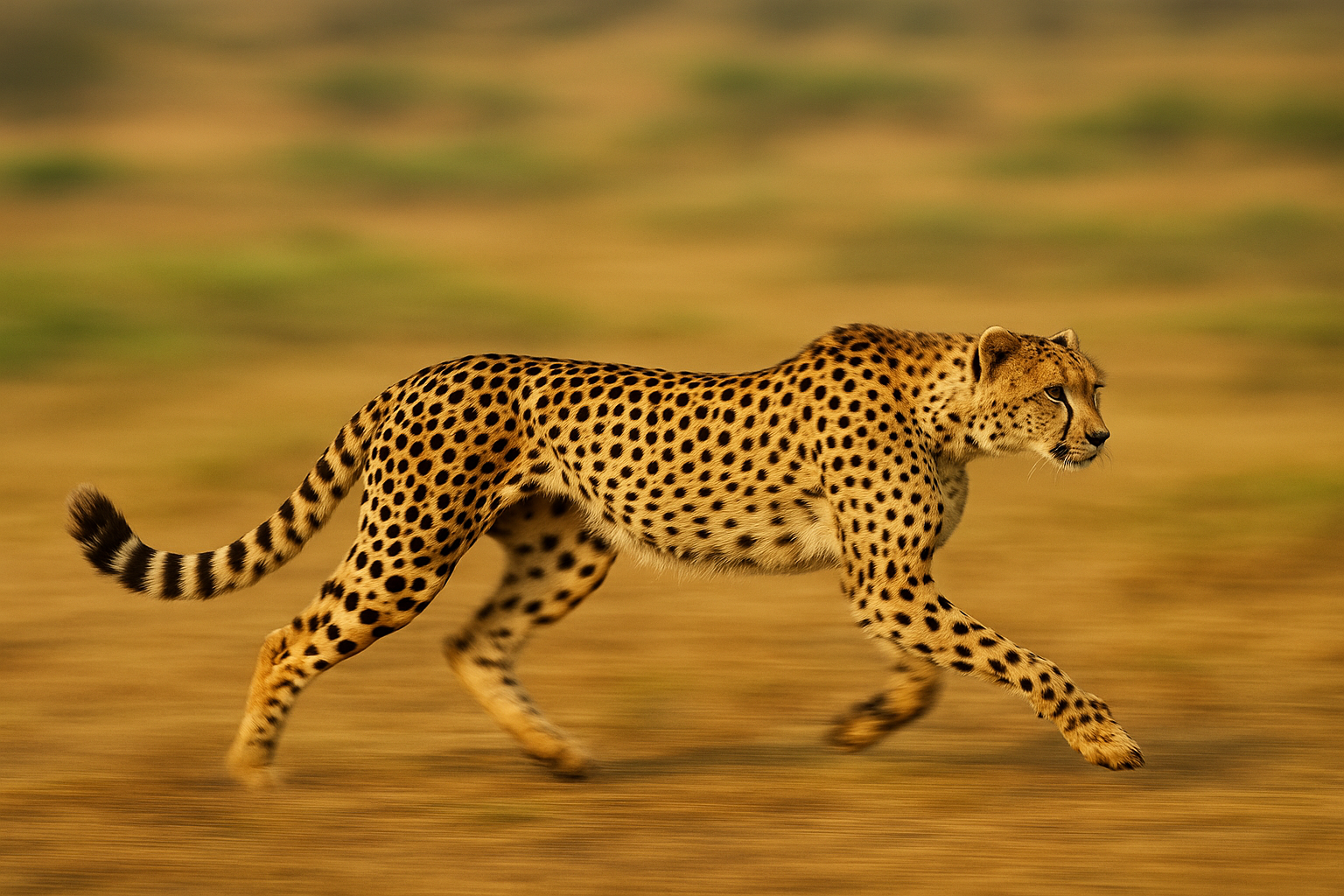
Cheetahs return to Eswatini after 35 years! This historic reintroduction marks a new chapter for conservation in Southern Africa.
Cheetahs are back in Eswatini after being gone for many years! Farmers and hunters made them disappear, but now, thanks to lots of hard work, new cheetahs have been brought in. These speedy cats are now running free again, bringing excitement and hope to the land. It's a big win for nature and a special moment for the people of Eswatini.
Why did Eswatini's cheetahs disappear?
Eswatini's cheetahs disappeared due to habitat loss from farming and a decline in prey animals caused by unregulated hunting and competition with cattle. Their daylight hunting made them vulnerable to retaliatory killings by farmers protecting livestock, leading to their complete absence by 1987. Conservation efforts have since reintroduced the species.
Get Cape Town news in your inbox
Stay updated with the latest stories from the Mother City.
The First Paws on Ancient Soil
On a December morning scented with dry grass and acacia, four lithe silhouettes stepped onto a ridge overlooking the Usuthu River. Every footfall was silent yet deafening, for it signified the first free-ranging cheetahs in Eswatini since the late 1980s. Royal Jozini Private Game Reserve, a mosaic of savanna and fever-tree woodland, now hosts the nucleus of a population once thought gone forever. Observers describe goose-bump moments as the quartet surveys valleys teeming with impala - proof that the land has been waiting, ready to receive its missing element.
Local elders, who last saw the cats during childhood cattle drives, recount how men still speak of them in folktales and how women weave their spots into ceremonial cloth. The return is therefore more than ecological bookkeeping; it stitches cultural memory back into daily life. Schoolchildren will soon witness, with their own eyes, the animal that once thrived on the very ground beneath their desks.
The wider conservation world calls this a milestone, yet for Eswatini it is personal. The kingdom’s coat of arms bears the lion, leopard, and elephant - symbols of power - but the cheetah was always the whispered emblem of speed and grace. Bringing it home completes a constellation that had lacked its brightest star.
How the Kingdom Lost Its Cheetahs
Eighty years of gradual, then rapid, change pushed the cat beyond the border. First came the plough: farmers converted open grassland into maize and sugar-cane fields, chopping large hunting vistas into postage-stamp plots. Cheetahs cannot chase through maize rows or leap over irrigation pipes; they need flat ground where acceleration can peak above a hundred kilometres per hour without a root or fence to trip the sprint.
Next, the prey ledger shrank. Impala roamed in thousands until unregulated hunting and competition with cattle reduced numbers to mere hundreds. A single cheetah requires roughly two mid-sized antelope each week; a family needs far more. With larders empty, the cats turned to goats, sparking retaliatory shootings and poisonings. Unlike leopards, which melt into darkness, cheetahs hunt by daylight and so were easier targets.
By 1987 the last confirmed female, nursing two cubs on communal grazing land, vanished. No tracks, no scat, no night-time call - just an absence that echoed across decades. Eswatini added the cheetah to its list of “ghost species,” alongside the now-recovered white rhino and the still-absent African wild dog.
Engineering the Comeback
December Origins – Two Sisters from Nyosi
The first act began six hundred kilometres south-west, at Nyosi Wildlife Reserve in South Africa’s Eastern Cape. Two young females - genetically vetted, disease-screened, and fitted with GPS collars - were chosen for their blend of wild behaviours and proven adaptability. The crates arrived by road, driven overnight to reduce stress, then wheeled to a specially built boma overlooking a waterhole where impala drank nervously.
For thirty days the cats lived behind electrified wires, adjusting to the thunder of hippos and the scent of new soil. Veterinarians drew blood weekly, monitored appetite, and played recorded hyena calls so the newcomers would learn local danger cues without direct contact. When the gates lifted in mid-January, the sisters paused only a heartbeat before melting into the tawny grass. Within forty-eight hours the collars registered a successful impala hunt.
April Brothers – The Dinokeng Duo
Three months later a pair of two-year-old males made the same journey, this time from Dinokeng Game Reserve north of Pretoria. Slightly bulkier, they spent the same quarantine period, then burst out like coiled springs. Rather than staking immediate territories, they embarked on reconnaissance loops covering dozens of square kilometres - a roaming pattern typical of bachelors looking for vacancies. Trail cameras caught them atop termite mounds, surveying horizons they had never known existed.
GPS data show that the two pairs have overlapped - females favouring riverine flats, males ranging into woodland escarpments - yet direct encounters have been limited. Biologists smile at the pattern; it mirrors textbook cheetah spacing and bodes well for natural breeding if chemistry takes its course.
Partners in the Restoration
Wildlife veterinarians - many trained under the late Dr. Peter Morkel - oversaw the immobilisation drugs, crate ventilation, and collar calibration. Each cat received a microchip, a tattoo, and a name in Siswati chosen by local school essay winners. The Global Humane Conservation Fund underwrote the translocation budget, while Royal Jozini’s anti-poaching rangers shaped patrol routes to shield the newcomers.
Jay Azran, managing director of the reserve, describes the moment he watched the females disappear into the bush: “It felt like letting history run ahead of you into the future.” His team has since set up camera traps along game trails and trained community scouts to read cheetah tracks - skills that will soon channel into citizen-science tourism ventures.
Bloodlines and Future Cubs
One of the Eastern-Cape females descends from a rehabilitated mother - a cat once confiscated from a ‘pet’ owner, taught to hunt in a fenced reserve, and eventually released as a wild breeder. Her daughter’s success in Eswatini continues a thirty-year conservation saga spanning two generations and two international borders.
Geneticists keep a studbook as meticulously as any racehorse pedigree. The four founders already yield a heterozygosity index higher than some long-standing reserves, thanks to their different source regions. Wildlife managers plan a second wave - likely another unrelated male and female - once the current group has consolidated territories and, hopefully, produced offspring.
The first wild-born cubs would mark the true finish line. Observers expect courtship displays by early 2026; cheetah gestation lasts a mere ninety-two days, and the reserve’s impala are calving in synchronicity. If all goes well, Eswatini will celebrate its first litter of sprinting cubs before the next World Cup kicks off.
Economic Ripples and Educational Waves
Tourism marketers anticipate a surge. Photographic safaris focused on cheetah tracking command premium rates across Africa; Royal Jozini already fields daily booking queries. Local guides are training to interpret collar data in real time, translating pings into stories that guests can share.
Beyond money, the cats star in school curricula. Field trips to the reserve give pupils hands-on lessons in ecology, statistics (they graph daily movements), and indigenous languages (they learn cheetah lore in Siswati and English). The kingdom’s university has opened a bursary for cheetah-centred research, ensuring that the next cohort of wildlife biologists grows up alongside their study species.
Africa Keeps Watch
[{"question": "What led to the disappearance of cheetahs from Eswatini?", "answer": "Cheetahs in Eswatini disappeared primarily due to habitat loss caused by the expansion of farming, particularly maize and sugar-cane fields, which destroyed their open grassland hunting grounds. Additionally, a decline in their natural prey like impala, resulting from unregulated hunting and competition with cattle, forced them to prey on livestock. Unlike nocturnal predators, cheetahs hunt during the day, making them vulnerable to retaliatory killings by farmers, leading to their complete absence by 1987."}, {"question": "When were the first cheetahs reintroduced to Eswatini and where?", "answer": "The first free-ranging cheetahs were reintroduced to Eswatini in December, with four individuals stepping onto a ridge overlooking the Usuthu River in the Royal Jozini Private Game Reserve. This marked the return of the species after being absent since the late 1980s."}, {"question": "From where did the reintroduced cheetahs originate?", "answer": "The reintroduced cheetahs came from two different locations in South Africa. The first two females originated from Nyosi Wildlife Reserve in the Eastern Cape, while a pair of males were brought from Dinokeng Game Reserve, north of Pretoria."}, {"question": "How long did the reintroduced cheetahs undergo a re-acclimatization period?", "answer": "Both pairs of cheetahs underwent a thirty-day quarantine and re-acclimatization period in specially built bomas. During this time, they adjusted to the new environment, scents, and sounds, and their health was monitored before their release into the wider reserve."}, {"question": "Who were the key partners involved in the cheetah reintroduction project?", "answer": "The reintroduction project involved several key partners. Wildlife veterinarians, many trained under Dr. Peter Morkel, provided crucial medical oversight. The Global Humane Conservation Fund provided financial support for the translocation. Royal Jozini Private Game Reserve's anti-poaching rangers adjusted their patrol routes to protect the new arrivals. Community scouts were also trained in tracking, and local schoolchildren named the cheetahs."}, {"question": "What are the anticipated benefits and future plans for the cheetah population in Eswatini?", "answer": "The reintroduction is expected to bring significant economic and educational benefits. Tourism marketers anticipate a surge in photographic safaris and premium bookings, with local guides training to enhance the visitor experience. Educationally, the cheetahs are integrated into school curricula, offering hands-on lessons in ecology and indigenous lore. From a conservation perspective, geneticists are carefully managing the studbook, and there are plans for a second wave of introductions (another unrelated male and female) to further enhance genetic diversity. The first wild-born cubs are eagerly anticipated, with expectations of courtship by early 2026 and a new litter before the next World Cup."}]

Chloe de Kock is a Cape Town-born journalist who chronicles the city’s evolving food culture, from township braai joints to Constantia vineyards, for the Mail & Guardian and Eat Out. When she’s not interviewing grandmothers about secret bobotie recipes or tracking the impact of drought on winemakers, you’ll find her surfing the mellow breaks at Muizenberg—wetsuit zipped, notebook tucked into her backpack in case the next story floats by.
View all articles →