
Where are South Africans paying the most?
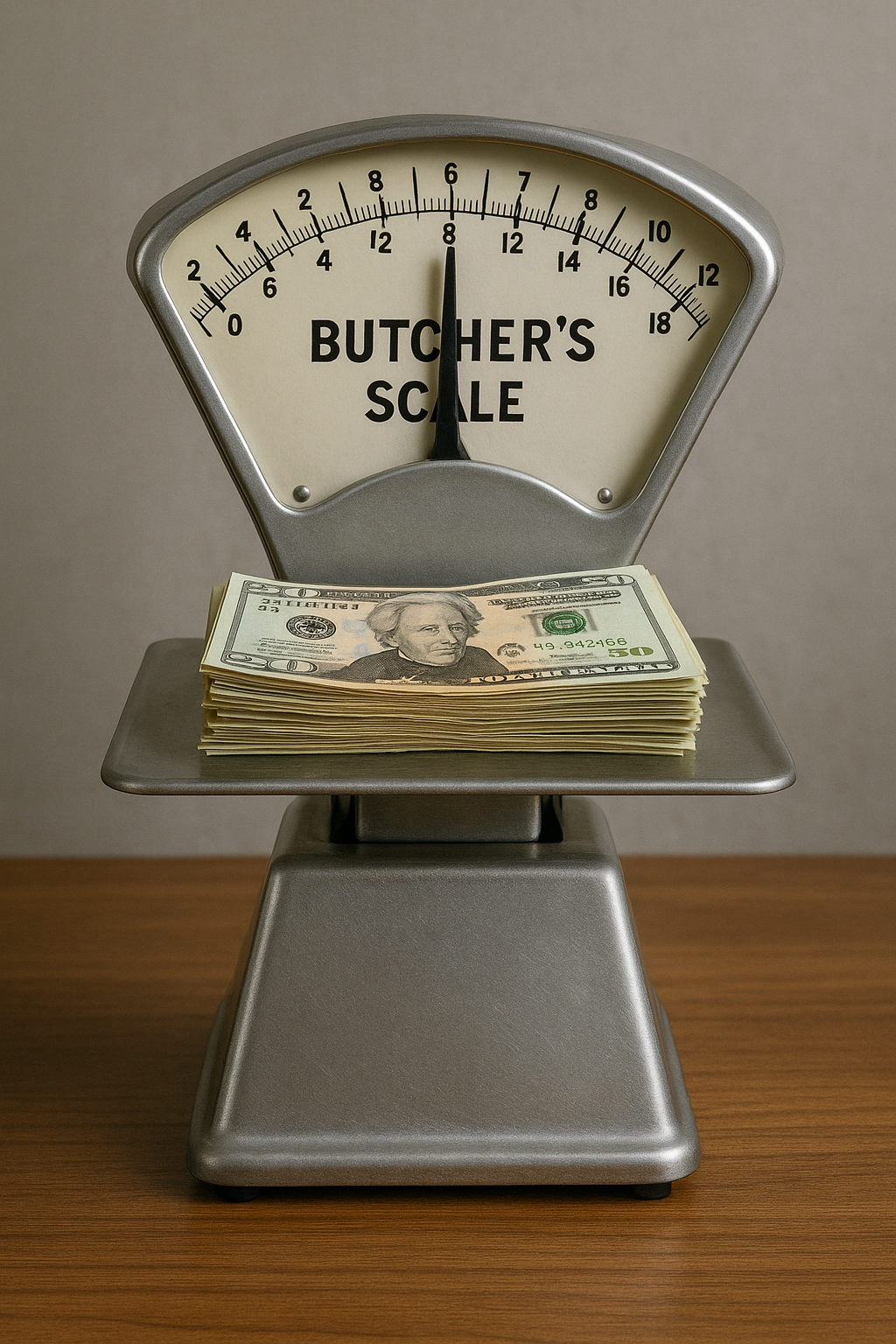
Soaring meat prices in South Africa are redrawing household budgets, driven by feed costs, shortages, and retail margins. Discover how this impacts consumers.
Meat prices in South Africa shot up because of several big problems. Global prices for maize and soy went crazy, hurting farmers. Then, fewer cows were around, making them more expensive. Also, some big meat factories closed for a bit, causing a bottleneck. On top of all this, supermarkets decided to make more money. This made it super tough for families to afford meat, forcing them to find clever ways to eat protein or just do without.
Why did meat prices in South Africa increase significantly in 2026?
Meat prices in South Africa surged by 9.4% in 2026 due to four main factors: a global spike in maize and soy prices, a reduction in the national cattle herd, temporary closures of high-throughput abattoirs decreasing slaughter capacity, and supermarkets widening their profit margins. This combination significantly increased costs for consumers.
Get Cape Town news in your inbox
Stay updated with the latest stories from the Mother City.
1. The Tiny Spreadsheet Cell That Shook the Supper Table
Stats SA’s 72-page April 2026 CPI report looks harmless - until page 47, row 17. There, the figure “9,4 %” sits beside the line “Meat (fresh, frozen & processed)”. That digit is three times the overall food average and more than double the 4 % headline inflation. Because meat makes up almost a fifth of the official food basket, the single jump yanks the entire index upward and erases every cent households thought they had saved on cheaper maize, bread and cabbages. The Sunday pot that once bubbled with beef now threatens to turn into a peanut-butter sandwich.
The 9,4 % print is not just a mathematical outlier; it is a kitchen-table earthquake. It translates into roughly R12 more for every R130 previously spent on meat, enough to force families to delete an item from the grocery list before they reach the checkout. Retailers feel the ripple within days: shoppers linger at the butchery window, then wheel away to the baked-bean aisle.
This is not déjà-vu from 2017, when meat inflation also flirted with double digits. Six years ago wages were still crawling out of a post-crisis slump, VAT sat at 14 % and social grants reached three million fewer citizens. Today the wage pool is evaporating: BankservAfrica’s take-home pay index is 2,3 % lower than a year ago, so the same 9,4 % sticker actually feels like a 12 % plunge in real buying power - one of the widest “meat-to-wage” chasms ever recorded.
2. Inside the Abattoir: Four Levers That Jacked Up the Price Tag
South Africans swallow 2,9 million carcass-weight tonnes of red and white meat every year, 62 % of it chicken. Yet the retail mood ring is still coloured by beef, the glamour protein whose sticker everyone quotes at the taxi rank. Four forces lifted that sticker during the first quarter of 2026.
First came the feed equation. Argentina’s drought spiked global maize and soy quotes by 18 % between November and March. South African feedlots bring in roughly one million tonnes of protein cake annually; by March the passthrough had nudged farm-gate beef 6,5 % higher.
Second, the national cattle herd slipped below 12 million head for the first time since 2015. Fewer weaners meant bidding wars: 200-kg calves at the Bultfontein auction changed hands for R46/kg this April, up from R34/kg a year earlier.
Third, abattoir arithmetic tightened the noose. Two high-throughput plants in Mpumalanga closed for extended maintenance in January, erasing 21 000 head per week from slaughter capacity. Feedlots had to keep animals on ration for extra weeks, pumping carcass weight by 5 % but lifting cost per kilogram by 12 %.
Finally, supermarkets widened their margin shield, blaming higher refrigeration and power tariffs. Scanner data show the farm-to-shelf gap on rump has ballooned to 48 % from 42 % in 2023, adding one more coat of varnish to an already glossy price.
3. Provincial Pain Maps: Where the Braai Burns Hottest
Stats SA’s provincial CPI pegs December 2022 at 100. Gauteng’s meat gauge hit 114,4 in April, so a braai pack that cost R100 two-and-a-half years ago now leaves the till at R114,40. The province’s 10 % year-on-year jump looks tame only until you compare it with the Eastern Cape’s 12,6 %, the worst in the country. Households in Buffalo City earn on average 18 % less than metro Gauteng, so every rand of increase cuts deeper.
The Northern Cape offers cold comfort: at 7,1 % meat inflation it is the best-performing province, partly because two solar-powered cold-storage depots commissioned last year trimmed distribution costs by 60c/kg. Yet even there, butchers complain that shoppers buy smaller portions more often, a behavioural shift that keeps turnover volume flat despite brisk footfall.
Rural towns anchored near feedlots should, in theory, enjoy shorter supply chains and lower prices. Reality refuses to cooperate. High diesel prices and taxi violence add risk premiums to road freight, so abattoirs often truck carcasses to coastal cities first and back inland again, piling “circle-route” kilometres onto the final sticker.
4. Substitution Dead Ends and the Rise of Survival Hacks
Conventional wisdom predicted a chicken rush once beef sprinted ahead. Instead, poultry inflation itself leapt 7,8 % in April - the fastest clip since the 2016 bird-flu panic. February’s stage-5–6 load-shedding knocked out three million broiler placements and day-old-chick prices doubled in six weeks. With both red and white meats hostile to the wallet, consumers dived into eggs and canned beans, whose volumes rose 11 % and 8 % respectively.
The state has morphed into an accidental swing buyer. Soup kitchens absorbed 6 800 tonnes of frozen beef trim in the last quarter - triple the 2024 figure - while Gauteng’s school-feeding pilot deleted “meat Monday” from 3 700 canteens. The fore-quarter market now clears at a 40c/kg premium the moment a government tender drops, proving that social spending can move the private price as powerfully as any drought.
Household ingenuity is filling the vacuum. In Katlehong butchers market “half-mixed” packs - 500 g beef plus 500 g chicken livers - for R70, a protein bridge that keeps the stew pot respectable. Rural KwaZulu-Natal families rewind the clock: R80 of fresh silverside is wind-dried into 400 g of biltong that lasts a month, turning moisture loss into edible time. Even fast-food chains quietly downsized one flagship patty from 130 g to 110 g while holding the R79 tag, a stealth shrinkflation that protects brand price points.
Microlenders and fintechs smell opportunity. Township branches report a 38 % spike in “food-only” micro-loans since January, averaging R1 140. An app named Likupu lets users order a 5 kg mixed-meat box for R650 and settle in four instalments - equal to 29 % annualised interest - while traditional stokvels mutate into “meat clubs” that buy a live sheep at farm gate, share the carcass and slice 28 % off retail.
Whether these hacks can outrun global headwinds remains uncertain. Export beef is fetching the equivalent of R68/kg on Chinese docks, R14 below domestic retail, so exporters lobby for allocation priority that further tightens local supply. Poultry tariffs were relaxed by an extra 50 000 tonnes in March, yet Durban port congestion added a fortnight to cold-chain dwell time, melting away part of the intended price gift.
Forecasts suggest meat inflation could cool to 6 % by August if Australian grain futures stay soft and abattoir queues keep shrinking. But the rand’s 6 % slide since mid-April already wiped out a chunk of that relief. For the rest of 2026 the braai plate will remain a battlefield where grants, guns, credit and climate shocks fight for every last gram of protein - leaving South African households to hedge their steak the old-fashioned way: by sharing, stretching and sometimes simply doing without.
[{"question": "
Why did meat prices in South Africa increase significantly in 2026?
", "answer": "Meat prices in South Africa surged by 9.4% in 2026 due to a confluence of factors. These include a global spike in maize and soy prices impacting feed costs, a reduction in the national cattle herd leading to higher livestock prices, temporary closures of high-throughput abattoirs decreasing slaughter capacity, and supermarkets widening their profit margins. This combination significantly increased costs for consumers."}, {"question": "How much did meat prices increase relative to other food items and overall inflation?
", "answer": "In April 2026, meat prices increased by 9.4%, which was three times the overall food average and more than double the 4% headline inflation. This substantial jump significantly impacted household budgets, especially since meat constitutes almost a fifth of the official food basket, effectively erasing savings from cheaper maize, bread, and cabbages."}, {"question": "What were the specific factors that contributed to the rise in meat prices inside the abattoir and supply chain?
", "answer": "Four main factors contributed: 1. Feed Equation: Argentina's drought caused an 18% spike in global maize and soy prices, increasing feedlot costs. 2. National Cattle Herd Reduction: The herd dropped below 12 million head, leading to bidding wars for calves and higher farm-gate prices. 3. Abattoir Capacity Issues: Two large abattoirs in Mpumalanga closed for maintenance, reducing slaughter capacity by 21,000 head per week. This forced feedlots to keep animals longer, increasing costs. 4. Supermarket Margin Widening: Supermarkets increased their profit margins, blaming higher refrigeration and power tariffs, with the farm-to-shelf gap on rump beef ballooning to 48% from 42% in 2023."}, {"question": "Which provinces were most affected by the meat price increases, and why?
", "answer": "The Eastern Cape experienced the worst meat inflation at 12.6%, significantly higher than the national average and Gauteng's 10%. This was particularly impactful as households in Buffalo City (Eastern Cape) earn 18% less than those in metro Gauteng. The Northern Cape, with 7.1% meat inflation, was the best-performing province, partly due to new solar-powered cold-storage depots reducing distribution costs."}, {"question": "How did consumers adapt to the rising meat prices, and what alternatives did they choose?
", "answer": "Consumers initially looked for cheaper alternatives like chicken, but poultry inflation also rose significantly (7.8%). This led them to eggs and canned beans, with volumes increasing by 11% and 8% respectively. Households also employed ingenuous hacks, such as buying 'half-mixed' meat packs (beef and chicken livers), wind-drying silverside into biltong to make it last longer, and utilizing micro-loans or 'meat clubs' (stokvels) to purchase meat in bulk."}, {"question": "What is the outlook for meat inflation in South Africa for the rest of 2026?
", "answer": "Forecasts suggest meat inflation could potentially cool to 6% by August, contingent on soft Australian grain futures and shrinking abattoir queues. However, the rand's 6% slide since mid-April has already eroded some of this potential relief. Overall, the market remains volatile, influenced by global headwinds, social spending, and climate shocks, implying continued challenges for household budgets."}]
Thabo Sebata is a Cape Town-based journalist who covers the intersection of politics and daily life in South Africa's legislative capital, bringing grassroots perspectives to parliamentary reporting from his upbringing in Gugulethu. When not tracking policy shifts or community responses, he finds inspiration hiking Table Mountain's trails and documenting the city's evolving food scene in Khayelitsha and Bo-Kaap. His work has appeared in leading South African publications, where his distinctive voice captures the complexities of a nation rebuilding itself.
View all articles →