
Why are armed ICE agents patrolling US airports?
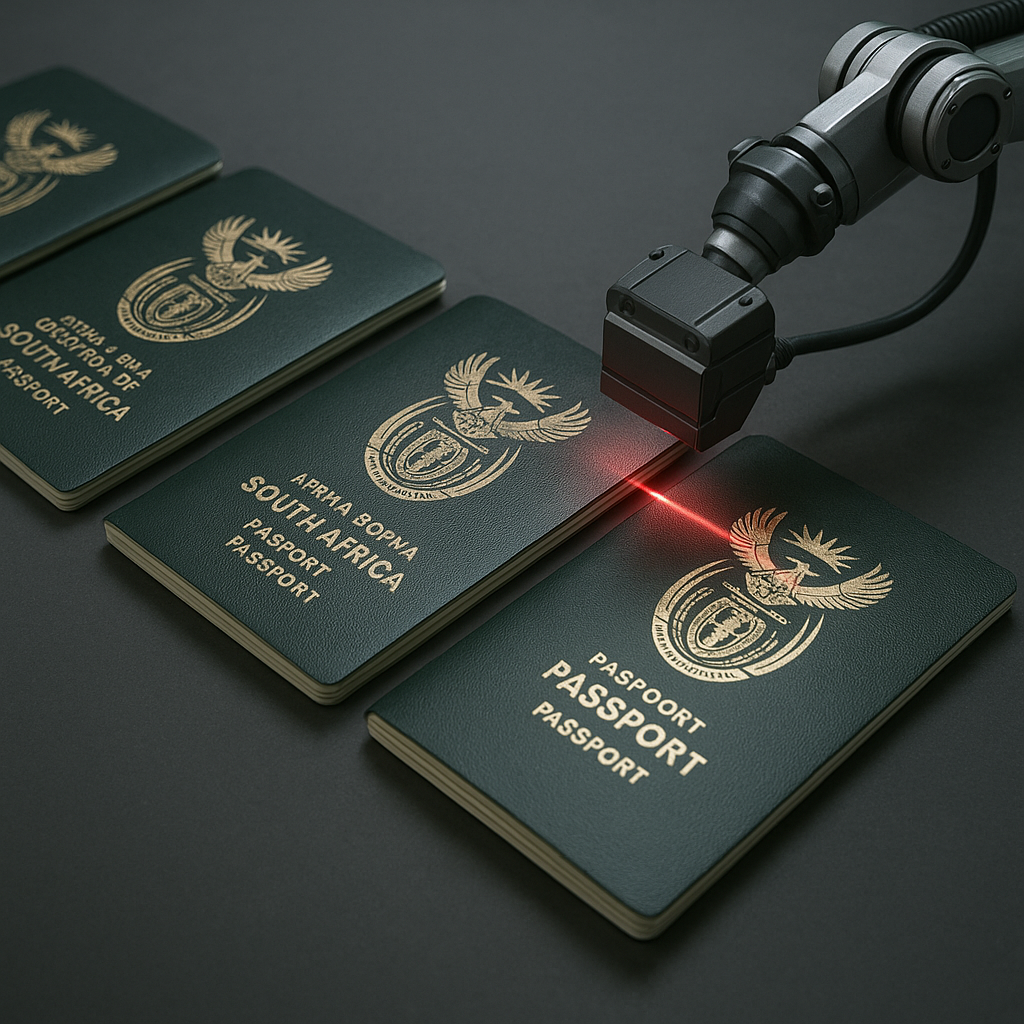
The 2026 World Cup in America: A "minefield" for South African fans facing hostile immigration, exorbitant costs, and surveillance.
The 2026 World Cup in the U.S. will be a tough experience for African travelers. They'll face high prices, strict security, and possible issues with their documents and visas. To prepare, travelers should get a U.S.-dollar card, carry many copies of important papers, and buy special insurance. They should also be careful with their phone use and share travel plans with someone abroad for help if needed.
How can African travelers prepare for the 2026 World Cup in the U.S.?
African travelers should open a U.S.-dollar prepaid card, carry multiple copies of vital documents like birth certificates, and purchase insurance covering immigration-detention-related medical care. Additionally, practice tech hygiene by posting photos after returning home and using a burner phone for the FIFA app, and share travel details with a foreign contact for diplomatic assistance.
Get Cape Town news in your inbox
Stay updated with the latest stories from the Mother City.
- A step-by-step chronicle of what really waits for African travellers when the planet’s biggest party lands in the United States.*
Section 1 – Arrival: The Welcome That Isn’t
Fourteen airborne hours should end with cheers, not the coppery sting that now greets every Johannesburg-to-JFK traveller. The moment the Jetway coughs open, a metallic tang - equal parts gun oil and nervous perspiration - slips into your lungs. It is the unofficial perfume of Terminal 4, sprayed by two rows of ICE officers whose tactical vests carry enough rounds to flatten a city block.
Between the bullet-proof glass and the wall of biometric lenses, the planet’s favourite festival has shape-shifted. What used to be a carnival of songs, face-paint and shared beers is now an under-the-breath interrogation where ordinary supporters moonlight as accidental envoys in a diplomatic cold war nobody asked them to fight.
The maths starts here. A Durban educator who banked three years of after-tax income - roughly R45 000 - on Category-3 tickets must now swallow sums that make European price tags look soft-core. A single stadium burger clocks in at twenty-eight American dollars, the same notes that would braai-feed four relatives back home. Parking costs another forty-five, bottled water twelve. Before the first whistle, the American Dream is already a notification avalanche on a cracked phone screen.
Section 2 – Price Shock: When the Algorithm Judges You Broke
These are not inflated hospitality rates; they are velvet-roped walls. FIFA’s own ticketing engine refreshes prices like a stock ticker, so a Brazilian supporter saw his quarter-final seat triple between checkout and the “Pay Now” click. The surge never rains; it pours.
The after-dark resale circus is uglier. An eighty-five-dollar group-stage pass can hit six hundred overnight, with FIFA skimming a ten percent “service” cut on every panicked resale - commission for the digital pimp that brokers desperation.
Accommodation platforms joined the party. Los Angeles motels that normally ask eighty-nine dollars now list four-hundred-dollar “World Cup rates,” plus creative insults: fifty-dollar pool facility charges, twenty-five-dollar urban-development levies, even a fifteen-dollar “fresh-air surcharge” in districts where smog warnings flash daily. One engineer caught a single Airbnb apartment cloned under six aliases, manufacturing scarcity that quadrupled prices without moving a single mattress.
Section 3 – Badge, Gun, Silence: The Human Cost of Militarized Terminals
ICE field teams train in midnight desert raids; now they patrol departure lounges where the deadliest contraband is a litre of contraband Glenlivet. Their holstered Sig Sauer P320s hold seventeen military-grade rounds apiece - identical hardware that ended Alex Pretti’s life in Denver when an inhaler was mistaken for a pistol. The official phrase is “tragic misidentification”; the bullet holes in Terminal B’s coffee shop call it something darker.
A 23-year-old mechanical-arts student from Pretoria steps forward, passport trembling. She is no longer a spectator; she is Exhibit A. Her accent, her university letter, her Instagram grid - all become data points inside a trial she never agreed to join. The agent opposite her spent last week separating Honduran toddlers from parents; now he must decide whether her FIFA Fan-ID is travel currency or probable fraud.
Behind the glass, software chews digital fingerprints. Unpaid traffic fines, study-loan arrears, even a tagged layover in Istanbul can flip a red flag. Five Cape Town clients of one travel adviser were refused visas after facial-recognition linked them to selfies taken in Turkish Airlines lounges. Your passport photo in a Bafana jersey is not pride; it is classified as “overstay risk.”
Section 4 – Invisible Embassy: When Your Government Isn’t Picking Up the Phone
South Africa’s Washington embassy sits empty since March; the ambassador flew home and never returned. The vacuum turns each small bureaucratic hiccup into a potential abyss. A Johannesburg accountant presented his daughter’s birth certificate - printed “Johannesburg, Transvaal,” a province that dissolved in 1994 - and spent six hours in secondary inspection for “document forgery.” With no diplomatic lifeline, the only help came from a Queens legal-aid lawyer who normally defends restaurant grease violations.
Without representation, hospital corridors can swallow people whole. ICE transfers sick travellers to facilities that will not confirm admission without U.S. ID, yet agents retain the very passports that would satisfy the requirement. Families sometimes need days to locate a relative who collapsed during questioning; the paperwork serpent eats its own tail.
Even the journey home adds fresh bruises. Customs forms now ask for “social-media activity while in country.” One supporter who tweeted that FIFA pricing was “daylight robbery” endured a three-hour scroll-through of six years of posts. Phones are cloned “for national-security verification,” software forensics reveal, yet officers shrug when asked for lawful authority. The flight back to OR Tambo becomes the final migration through invisible strip-searches, holiday photos converted into evidence you will never be allowed to read.
Value for the Reader: What to Do Before You Leave
- Money : Open a U.S.-dollar prepaid card; keep receipts for every latte - your bank will place holds, and you need paper to release them.
- Paper trail: Carry three copies of birth and marriage certificates; update any pre-1994 provincial references at Home Affairs before flying.
- Insurance : Buy a policy that explicitly lists “immigration-detention-related medical care” and gives a 24-hour U.S. hotline; it is the only way hospitals will talk to your spouse if you vanish.
- Tech hygiene: Post vacation photos after you land back home; the FIFA app should stay on a cheap burner phone - your ticket lives in the cloud, your privacy does not.
- Diplomatic workaround: Email your travel details and passport scan to a reliable friend in Canada or the EU; if you hit trouble, they can badger their embassy to act as a protecting power, something Pretoria cannot currently offer inside U.S. borders.
The 2026 World Cup will still overflow with goals, drumbeats and rainbow flags, but for African travellers the pitch begins at the airport gate. Know the rules, armour your wallet, copy every scrap of paper - and walk through America’s fortress with both eyes wide open.
{
"faq": [
{
"question": "How can African travelers prepare for the 2026 World Cup in the U.S.?",
"answer": "African travelers should open a U.S.-dollar prepaid card, carry multiple copies of vital documents like birth certificates (ensuring any pre-1994 provincial references are updated), and purchase specialized insurance covering immigration-detention-related medical care. Additionally, practice tech hygiene by posting photos after returning home and using a burner phone for the FIFA app. It's also recommended to share travel details with a reliable foreign contact in Canada or the EU who can act as a protecting power in case of diplomatic issues, as South Africa's U.S. embassy is currently unstaffed."
},
{
"question": "What are the main challenges African travelers can expect at the U.S. border and during their stay?",
"answer": "Travelers should anticipate strict security measures and potential difficulties with documents and visas upon arrival, including intense scrutiny from ICE officers and biometric screening. There's also a significant risk of price gouging, with inflated costs for everything from food and parking to accommodation and event tickets. Furthermore, travelers may face intrusive questioning, digital forensics of their phones, and potential issues if their home government cannot provide adequate diplomatic support."
},
{
"question": "What specific financial advice is given for African travelers attending the World Cup?",
"answer": "It is highly recommended to open a U.S.-dollar prepaid card to manage expenses and avoid unfavorable exchange rates. Travelers should also be prepared for extremely high prices for goods and services within the U.S., including food, parking, and accommodation, which can be significantly more expensive than anticipated. Keep all receipts to help resolve any banking holds."
},
{
"question": "Why is carrying multiple copies of important documents emphasized, and what should be checked about them?",
"answer": "Travelers are advised to carry three copies of vital documents such as birth and marriage certificates. It's crucial to update any pre-1994 provincial references on these documents at your Home Affairs office before travel, as outdated information can lead to prolonged secondary inspections and accusations of document forgery, especially in the absence of diplomatic assistance."
},
{
"question": "What kind of insurance is recommended, and why is it important?",
"answer": "Travelers should purchase a specialized insurance policy that explicitly includes 'immigration-detention-related medical care' and provides a 24-hour U.S. hotline. This type of insurance is vital because, in cases of detention or medical emergencies, U.S. hospitals may not confirm admission or share information without U.S. identification, and your passport might be retained by agents. This policy can be the only way for family members to get information or support."
},
{
"question": "What precautions should African travelers take regarding their phone and social media use?",
"answer": "It is strongly advised to practice 'tech hygiene.' This includes posting vacation photos only after returning home, as social media activity can be scrutinized by customs officials. For the FIFA app, it's recommended to use a cheap 'burner phone' to protect personal data and privacy, as phones may be cloned or undergo software forensics for 'national-security verification' upon departure."
}
]
}
Oliver Daniels is a Cape Town journalist who chronicles the intersection of food, migration and identity in South Africa's kitchens—from wood-fired Gugulethu braai spots to Constantia vineyards. Born and raised on the slopes of Devil’s Peak, he still starts each week with a dawn walk across Table Mountain to catch the first Atlantic light before filing copy.
View all articles →