
Why is the UK championing South Africa’s global voice?
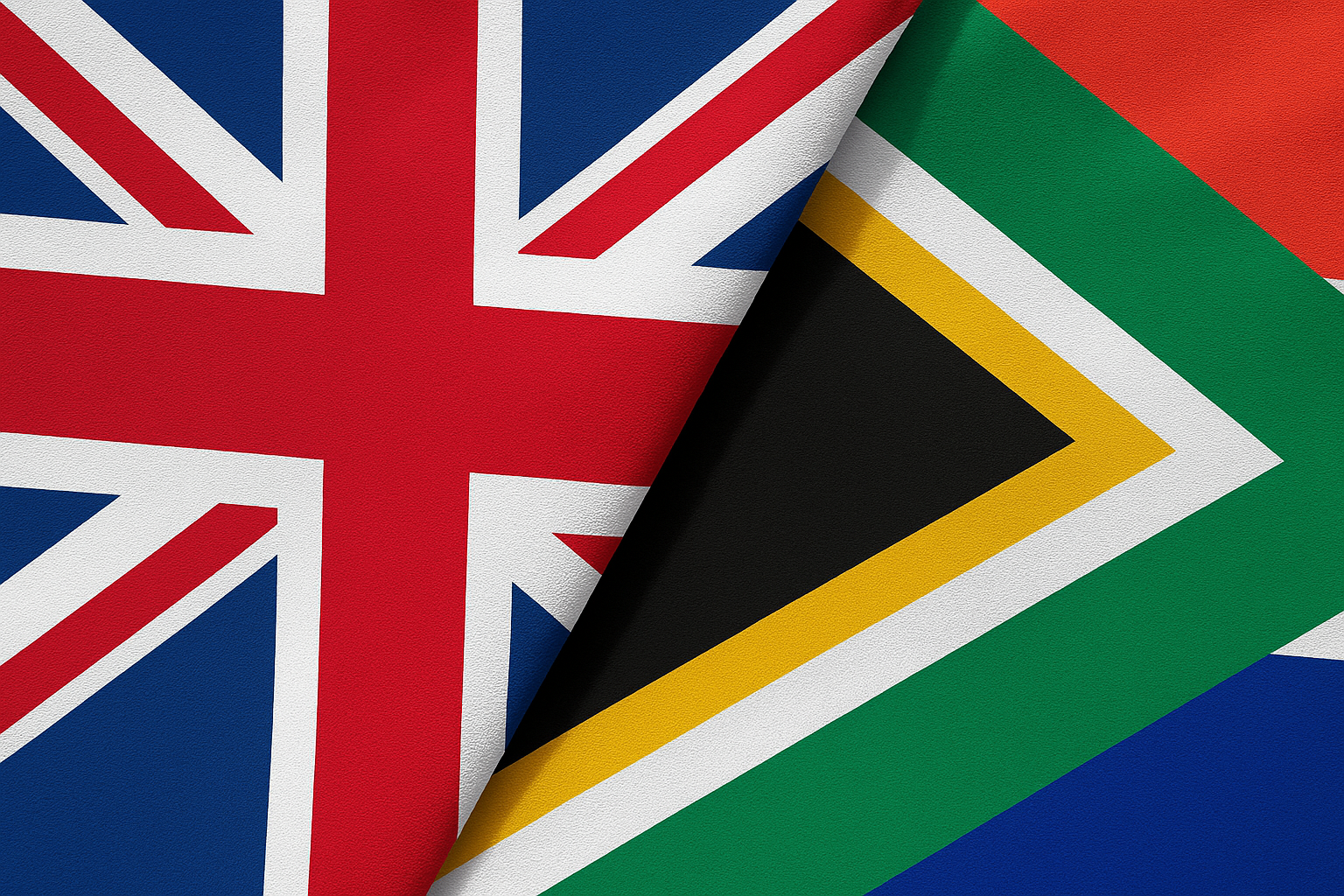
The UK leverages a G20 snub to South Africa into a strategic re-alignment, forging deep partnerships and challenging US unilateralism.
Britain stepped in to help South Africa after the US blocked South Africa from a big meeting, the G20. The US was mad because of a small fight over meeting times. Now, Britain is building a new friendship with South Africa, offering money, help with energy, and sending its own money experts to work there. This move helps South Africa and also shows that Britain doesn't agree with the US's ways.
Why did the UK step in to support South Africa after the US revoked its G20 participation?
Britain stepped in to support South Africa after the US revoked its G20 participation due to a diplomatic spat. The UK aims to build a new alliance, offering structural support through initiatives like a joint energy-transition task force, financial aid, and embedding Treasury officials. This move creates an alternative financial corridor and challenges US 'selective multilateralism'.
Get Cape Town news in your inbox
Stay updated with the latest stories from the Mother City.
A Flag-Draped Press Call
At 09:00 on 4 December 2025, the Benjamin Franklin Room inside the British High Commission in Pretoria filled with camera flashes and the low hum of simultaneous-translation headsets. Between two national flags that once stood for colonial masters and liberation fighters, High Commissioner Anthony Phillipson opened with a single sentence that cut through diplomatic fog: “Let’s focus on the task in front of us, not the headlines behind us.” Laughter rippled across the room; correspondents sensed the shift. Without waiting for questions, Phillipson announced that Britain will co-chair four ministerial streams during South Africa’s 2026 G20 presidency. The pledge lands only thirteen days after Donald Trump’s midnight tweet revoked Pretoria’s automatic pass to the 2026 Miami finance meetings.
The Six-Minute Spark
Thirty-five kilometres north of that podium, at Sandton Convention Centre, a routine hand-over ceremony on 30 November set the fuse. US Treasury Secretary Scott Bessent arrived to receive the ceremonial gavel and discovered the slot for his speech had shrunk from twelve minutes to six. South African organisers blamed last-minute haggling over Gaza and fossil-fuel wording; US aides insist the timetable had been immutable since Thursday. Trump, already irritated by a BRICS-plus communiqué pleading for “urgent multilateral reform,” typed out a tweet that called the episode “a slap in the face” and declared South Africa had “forfeited its courtesy seat.” By Monday morning the Treasury’s Office of International Affairs e-mailed global banks: Pretoria’s credentials will not scan at the April finance deputies meeting. No lawbook forbids the move, yet without a badge you cannot reach the Wi-Fi, and without Wi-Fi you cannot speak.
From Symbolism to Structural Support
Phillipson’s promise carries weight because it is anchored in a 14-page Whitehall plan leaked to this newspaper. Britain will underwrite a joint energy-transition task-force, earmark £40 million for an African Carbon Markets hub in Cape Town, and embed five Treasury officials inside Pretoria’s National Treasury for the entire 2026 cycle. London also proposes to schedule the 2026 Commonwealth Finance Ministers Meeting in Durban two weeks before the G20 summit, giving thirteen African members a caucus space within the G20 calendar. A rand-sterling swap line, cleared through the Bank of England rather than the Federal Reserve, is being stress-tested to shield South Africa from potential US sanctions. None of these actions require Washington’s nod, yet every one blunts the US tactic of exclusion.
Anatomy of a Diplomatic Rift
How a Schedule Dispute Snowballed
What looked at first like a diary clash spiralled into a geopolitical showdown. According to the South African protocol team, a delayed vote on the communiqué’s Gaza paragraph forced organisers to cut speaking times live on the teleprompter. The American camp counters that the programme grid was locked on 28 November and that Pretoria “moved the goalposts in real time.” Whichever version is closer to the truth, the mismatch provoked a White House tweetstorm that ended with South Africa’s access badge to Miami in doubt.
Legal Loopholes and Velvet Ropes
G20 membership has no expiry date, yet the host country controls badges, lanyards, speaking slots and side-event rooms. Strip those away and a government can be present yet voiceless. Observers recall Moscow’s temporary walk-out from Brisbane 2014, but no previous chair has ever been dis-invited entirely. Washington’s sanction is informal yet brutal: without Treasury accreditation, South African officials cannot even join the coffee queue.
Ripple Effects Inside the Room
Carnegie Endowment modelling shows that removing Pretoria from Miami lowers the Global South’s voting weight on IMF quota reform by eight percentage points, exactly the margin needed to block the 85 % super-majority threshold. Brazil, India, Indonesia and Saudi Arabia issued a rare joint démarche within hours of the US announcement, demanding “inclusive continuity.” Even Argentina’s libertarian government, usually in lockstep with Trump, hinted at a boycott, recalling the 1982 Falklands episode when Latin America united against perceived northern arrogance.
Building the Rand-Sterling Corridor
A Parallel Financial Spine
Beneath the diplomatic theatre, London and Johannesburg are stitching together a currency corridor that offers borrowers an alternative to dollar-denominated debt. The Johannesburg Stock Exchange already lists thirty-seven UK firms with a combined market capitalisation north of £92 billion. By extending rand-clearing services in London, the City hopes to capture a slice of the $15 billion in African sovereign eurobonds maturing in 2026-27, many of which states must refinance in non-dollar currencies if US rates stay above 4 %.
Green Gilts for African Grids
UKEF has tripled South Africa’s country limit to £3.5 billion, with 40 % reserved for renewable-grid assets that can be bundled into green gilts for British pension funds desperate for yield. These instruments will trade both in London and on the JSE, creating a liquid asset class denominated in rand and sterling rather than greenbacks.
Cyber Defences and Shadow Wars
Between 25 November and 2 December, cyber-security firms traced a spear-phishing blitz aimed at South African G20 sherpa staff. The bait was a Word document titled “Draft_G20_Leaders_Statement_Side_Deal.docx” loaded to siphon e-mail credentials through a server in Ashburn, Virginia. Code fragments overlap with a cluster tied to “APT 40,” a loose contractor network whose activity often mirrors US commercial interests. Pretoria kept the breach quiet; London quietly flew in three NCSC specialists to harden the servers that will host 2026 policy drafts.
Civil Society, BRICS and the Road to Miami
Hashtags, Horns and History Lessons
On 7 December thousands marched on the US consulate in Sandton under the banner #OpenTheDoor, led by the Ahmed Kathrada Foundation, COSATU and Anglican bishops. By nightfall TikTok clips of Cape jazz trumpeters remixing Masekela’s anti-apartheid classic “Stimela” had clocked 4.3 million views. Across the Atlantic, thirty-two British and South African universities launched a “G20 Democracy Fellowship” that will sponsor 100 doctoral students - half from the UK, half from the continent - to shadow every official engagement group in 2026. All findings will drop under Creative Commons, ensuring that exclusion from the blue-ribbon room does not erase voices from the public record.
BRICS-10 Comes to Durban
South Africa takes the BRICS chair on 1 January 2026, mere weeks before Miami. Rumours swirl of a “BRICS-10” counter-summit in Durban timed to coincide with the IMF-World Bank Spring Meetings. The goal: pre-release a joint statement on IMF quota reform and carry it into Miami as a fait accompli. London does not belong to BRICS, yet diplomats hint at observer status, a notion unthinkable when the club launched in 2009.
A Calendar of Collision
The year ahead is already charted like a suspense thriller. Cape Town hosts South Africa’s first sherpa meeting on 15–17 February; Prof. Ranjit Banerjee of Britain will co-chair innovation talks. March may see Durban’s BRICS finance ministers gather; April brings Washington Spring Meetings where South Africa still lacks US credentials, forcing the UK to host parallel briefings. Miami convenes foreign ministers in May and finance ministers in July, while Durban stages the Commonwealth Finance Ministers Meeting in August. Should the impasse hold, London warns it will withhold signature on any Miami communiqué that omits Pretoria, turning a 20-member summit into a 19-member spectacle.
In the end, the British gamble resets the rules of multilateral brinkmanship. By volunteering to stand in the doorway with Pretoria, London tests whether a middle power can shield another from a hegemon’s selective multilateralism. The payoff: a lattice of swap lines, carbon hubs and caucus meetings that outlive any single electoral cycle - and a reminder that velvet ropes only work when no one else offers a side entrance.
Why did the US block South Africa from G20 meetings?
The US blocked South Africa from attending G20 finance meetings, including the 2026 Miami finance meetings, due to a diplomatic incident. This stemmed from a dispute over speaking times at a routine handover ceremony where the US Treasury Secretary Scott Bessent's allocated speech time was reportedly cut from twelve minutes to six. The US viewed this as a "slap in the face," leading to the revocation of South Africa's access.
How did Britain respond to the US's actions against South Africa?
Britain responded by stepping in to support South Africa, forging a new alliance. This support includes offering financial aid, help with energy initiatives (such as underwriting a joint energy-transition task force and earmarking £40 million for an African Carbon Markets hub), and sending its own Treasury officials to work within Pretoria's National Treasury. The UK also plans to co-chair four ministerial streams during South Africa's 2026 G20 presidency and is developing a rand-sterling swap line to protect South Africa from potential US sanctions.
What is the significance of the rand-sterling swap line?
The rand-sterling swap line, cleared through the Bank of England instead of the Federal Reserve, is a crucial element of the new UK-South Africa alliance. Its significance lies in creating a parallel financial corridor that offers South Africa an alternative to dollar-denominated debt. This helps shield South Africa from potential US sanctions and provides a non-dollar currency for refinancing the $15 billion in African sovereign eurobonds maturing in 2026-27, particularly if US interest rates remain high.
What is the purpose of the UK's energy-transition task force and African Carbon Markets hub?
The UK's energy-transition task force and the African Carbon Markets hub in Cape Town are designed to provide structural support to South Africa's energy sector. The task force aims to assist in the transition to renewable energy, while the £40 million allocated to the Carbon Markets hub will support the development of green finance. These initiatives are part of a broader plan to help South Africa develop its green economy and reduce its reliance on fossil fuels, with 40% of the UK Export Finance's (UKEF) increased country limit for South Africa (£3.5 billion) reserved for renewable-grid assets.
How will the UK and South Africa ensure inclusivity for other African nations in the G20 process?
To ensure inclusivity, especially after the US's actions, the UK proposes scheduling the 2026 Commonwealth Finance Ministers Meeting in Durban two weeks before the G20 summit. This will provide thirteen African Commonwealth members with a dedicated caucus space within the G20 calendar. This move aims to amplify the voices of African nations and counter the US tactic of exclusion, demonstrating Britain's commitment to multilateralism.
What are the broader geopolitical implications of Britain's support for South Africa?
Britain's support for South Africa has significant geopolitical implications. It signals a challenge to US 'selective multilateralism' and demonstrates a willingness by a 'middle power' (Britain) to shield another nation from a hegemon's (US) influence. This creates a new alliance that could reshape diplomatic dynamics, foster alternative financial and economic corridors, and strengthen the Global South's position in international forums like the G20. It also highlights a potential shift in international relations, where countries like the UK are willing to assert their independence from traditional allies.

Thabo Sebata is a Cape Town-based journalist who covers the intersection of politics and daily life in South Africa's legislative capital, bringing grassroots perspectives to parliamentary reporting from his upbringing in Gugulethu. When not tracking policy shifts or community responses, he finds inspiration hiking Table Mountain's trails and documenting the city's evolving food scene in Khayelitsha and Bo-Kaap. His work has appeared in leading South African publications, where his distinctive voice captures the complexities of a nation rebuilding itself.
View all articles →