
Why is the US targeting South Africa?
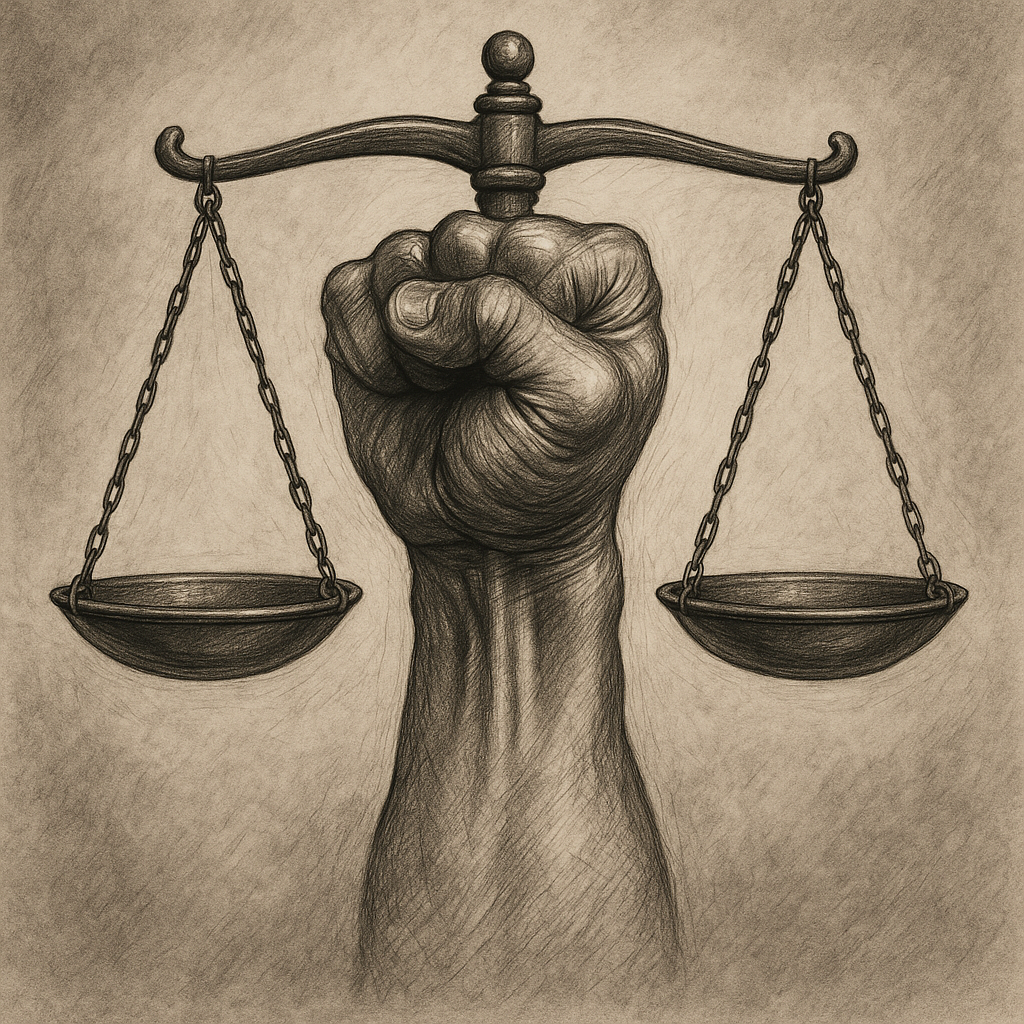
US imposes tariffs on SA over forced labor, sparking trade war. SA explores legal options, pivots to new markets. Regional impact feared.
The US is hitting South Africa and other countries with a 12.5% tax on many goods starting August 1, 2026. This is because the US says these countries aren't doing enough to stop forced labor. Things like wine and car parts will cost more, but important metals like platinum are safe. South Africa is fighting back with legal challenges and new trade deals with other countries like Germany and China. This new tax is a big deal and will change how countries trade and work together.
What is the US Section 301 tariff on South African goods?
The US Section 301 tariff imposes a 12.5% levy on goods from South Africa and 44 other jurisdictions, effective August 1, 2026. This is due to alleged lax enforcement against forced labor practices, particularly concerning certain goods like cotton and cocoa. Exemptions apply to critical raw materials like platinum-group metals.
Get Cape Town news in your inbox
Stay updated with the latest stories from the Mother City.
1. USTR Reloads Section 301 – Now Aimed at Global Labour Practices
On 2 June 2026 the United States dusted off its 1974 trade stick, Section 301, and aimed it at an unusual target: any country whose customs gate is judged too lax on forced labour. Two tariff bands emerge from the probe:
- 12.5 % on 45 jurisdictions branded as having “weak, ignored, or deliberately evaded” bans on goods made under duress.
- 10 % on 15 states whose laws are “half-right yet still flawed”.
South Africa sits in the harsher bracket. Washington insists Pretoria has never outlawed the import of forced-labour merchandise and maintains that the 1964 Customs Act plus the 2014 Consumer Protection Act still leave the frontier wide open. Three gripes drive the charge:
First, the numbers. USTR insists that from 2021-25 South African officials green-lit 4 300 consignments laced with cotton, silica or cocoa traceable to Xinjiang’s Production and Construction Corps.
Second, the rulebook. Although Pretoria ratified ILO Conventions 29 and 105, it has never folded the 2014 Forced Labour Protocol into domestic law. US customs rules, built on a “rebuttable presumption”, place the onus on importers to prove innocence; Pretoria does not.
Not every product is punished. Raw platinum-group metals, titanium slag, vanadium and monazite rare-earth concentrates are spared because they feed US aerospace, green-tech and defence lines that Washington will not choke. Wine, citrus, rooibos, macadamia kernels, catalytic converters and automotive parts are left exposed.
2. How the Duty Will Actually Work at the Dock
USTR’s draft splits incoming goods into three lanes:
Green Lane – Entry Type A. Importers submit blockchain bills of material certified by accredited auditors and sail past the 12.5 % surcharge.
Grey Lane – Entry Type B. US Customs assigns every shipment a risk score. Random inspections, mass-balance audits and DNA-isotope tests for cotton or cocoa decide whether the levy is slapped on.
Red Lane – Entry Type C. Countries in Tier 1 that refuse factory-level disclosure see the duty applied automatically.
South African exporters must therefore prove a negative: that no forced labour touched any input anywhere. Because many parts arrive in Durban already containing Malaysian cocoa butter or Asian micro-chips for catalytic converters, the paperwork multiplies exponentially.
3. Diplomatic Shock-Wave – Five “Non-Negotiables” Attached
Four days before the tariff notice, Ambassador Leo Brent Bozell III slid a classified memo across the desk at DIRCO. News24 soon published almost every line. The document links tariff relief to five political demands:
- Lift or dilute B-BBEE ownership thresholds above 25 % for US firms in automotive, oil & gas, and defence.
- Withdraw South Africa’s genocide case against Israel at the ICJ before the September 2026 evidentiary phase.
- Cancel Durban’s planned 2027 BRICS summit and downgrade Pretoria’s role in the New Development Bank to observer only.
- Halt official-level contact with Hamas and the Houthis.
- Kill the Expropriation Act Amendment Bill (20 of 2024) that permits nil compensation for land deemed “of nil value”.
Speaking at the Cape Town Press Club, Bozell said Washington no longer separates trade policy from national security. Pretoria summoned the chargé and accused the US of “coercive economic statecraft”, invoking the 1974 UN Charter on Economic Rights and Duties of States.
4. A Region Braces – AGOA Preferences in Jeopardy
Botswana, Namibia, Lesotho, Eswatini, Mozambique, Zimbabwe, Zambia and Mauritius join South Africa in Tier 1. All rely on AGOA cumulation rules that let garments enter the US duty-free if they use South African yarn or fabric. Once the 12.5 % blanket duty kicks in, that privilege evaporates. The Lesotho National Development Corporation warns that one in four textile jobs is on the line.
On the upside, South Africa’s platinum miners smell opportunity. Anglo American Platinum and Sibanye-Stillwater are rushing to finish toll-refining plants that will export 99.99 % Pt sponge straight to US factories under the raw-material exemption. Mid-tier miner Tharisa has green-lit a $600 million rare-earth separation plant on the Western Limb to dodge tariffs on mixed concentrates.
5. Courtrooms, Treaties and Countermoves
Pretoria is readying three legal tracks:
WTO Dispute Settlement – Draft Article 4 consultation request argues the US measure breaches GATT Article I’s non-discrimination clause and the Enabling Clause.
SADC Tribunal – Lawyers will claim Washington’s tariff undercuts the 2022 Maseru Protocol driving SADC industrialisation. The Tribunal cannot bind the US, but an adverse finding would complicate US climate-finance talks in the region.
AfCFTA Arbitration – South Africa has triggered AfCFTA’s most-favoured-nation clause, seeking tariff renegotiations under the 2025 AfCFTA-Build-Back-Better Initiative. US ratification is missing, yet Pretoria insists the pact’s preamble creates “legitimate expectations” against punitive levies.
6. New Friends, New Routes – “Operation Isibindi” in Motion
To soften the blow, the Department of Trade, Industry and Competition has launched “Operation Isibindi”:
:
Germany – BASF and Mercedes-Benz inked long-term off-take agreements for green hydrogen and synthetic fuel. South African exports to Germany jumped 18 % in the first quarter of 2026.
China – On 28 May 2026 SARS approved “Zero-Tariff Preference”, letting citrus, wine and macadamia enter the 1.4-billion-consumer market duty-free. Alibaba’s Cainiao has leased a 40 000 m² cold-chain hub at OR Tambo International.
India – The IBSA Recharge Programme 2026 will open 50 Safal stores nationwide for South African avocados and rooibos tea.
UAE – DP World and Transnet are wrapping up a $1.2 billion, 30-year concession to revamp Durban’s Pier 2, creating Gulf-centric lanes to East and Central Asia.
7. Sector Snapshots – Damage Control Plans
| Sector | 2025 US Sales | Mitigation Playbook | Fresh Finance |
|---|---|---|---|
| Automotive parts | US$ 2.1 bn | Swivel to EU EV supply chains; tap EU Just Transition Fund | R6 bn IDC facility |
| Wine | US$ 430 m | Expand ASEAN shelf space; roll out blockchain “Wine of Origin” tags | R750 m DTI export-credit line |
| Citrus | US$ 310 m | Leverage Kenyan & Vietnamese duty-free quotas under AfCFTA | R400 m Land Bank co-fund |
| Macadamia nuts | US$ 180 m | Exploit China’s tariff-free window; market Ramadan snack packs | R120 m NEF grant |
| Rooibos tea | US$ 90 m | Secure Indian & UAE halal certifications | R60 m GreenCape voucher |
8. Tracking Every Leaf and Nut – Labour Tech on Trial
COSATU and FEDUSA, rarely in lockstep, jointly filed at the ILO, calling Washington’s move a “human-rights fig leaf for crude protectionism.” Together with Stellenbosch University’s CyberCAT Lab they are piloting ChainCheck – a QR-code system that lets shoppers scan any box or car part and instantly pull up GPS-tagged labour contracts, wage slips and on-the-job videos.
Blockchain start-ups Provenance Africa and Circulor, backed by seed money from Google.org, are knitting ChainCheck data into US CBP’s soon-to-launch Global Business Identifier registry. The goal: clear South African cargo at origin instead of the port of Los Angeles or Savannah.
9. Investor Pulse – Ratings Watch and Portfolio Shifts
S&P, Moody’s and Fitch have all placed South Africa’s BBB- outlook on “ratings watch negative.” S&P warns that losing more IOF privileges on platinum could widen the current-account deficit by 0.6 % of GDP. Moody’s counters with a note titled “Green Base-Metal Tailwinds,” claiming climate-driven demand for palladium and rhodium will outweigh tariff pain.
Portfolio reallocations are already visible:
- Brookfield shelved the planned $1.8 billion data-centre campus (“Project Savannah”) pending clarity on US cloud-tariff exposure.
- BlackRock’s new EM Green Bond fund is overweight South African hydrogen and platinum ETFs, branding the tariff a short-term glitch.
- Temasek is negotiating a 15 % slice of Tharisa’s rare-earth separation plant, betting on a global pivot away from Chinese supply chains.
10. Mark Your Calendar – What Happens Next
- 15 June 2026 – USTR comment window shuts; 623 submissions already logged, 78 % from US importers begging for phase-ins.
- 7 July 2026 – SADC Extraordinary Summit in Maputo to craft a joint response.
- 20 July 2026 – ICJ hears oral arguments on South Africa’s genocide case; US lobbyists hint tariff relief is tied to “observed de-escalation.”
- 1 August 2026 – US Customs enforcement begins; every Tier 1 shipment needs a CBP Form 6059-B addendum proving forced-labour-free inputs.
- October 2026 – AfCFTA Trade Ministers meet in Accra; South Africa will seek a waiver to keep affected goods flowing duty-free inside Africa.
The 12.5 % border tax is more than a levy; it is a test of alliances, supply-chain transparency and geopolitical nerve. Pretoria’s next six months will decide whether the country pivots, resists, or rewrites the rules of global trade.
What is the US Section 301 tariff on South African goods?
The US Section 301 tariff imposes a 12.5% levy on goods from South Africa and 44 other jurisdictions, effective August 1, 2026. This is due to alleged lax enforcement against forced labor practices, particularly concerning certain goods like cotton and cocoa. Exemptions apply to critical raw materials like platinum-group metals.
Why is the US imposing these tariffs?
The US government, specifically the USTR, is imposing these tariffs under Section 301 of the 1974 Trade Act because it judges certain countries, including South Africa, as having “weak, ignored, or deliberately evaded” bans on goods made under forced labor. Three key reasons cited for South Africa include green-lighting consignments traceable to forced labor, not incorporating the 2014 ILO Forced Labour Protocol into domestic law, and placing the onus of proof on the US rather than importers.
Which South African goods are affected and which are exempt?
Goods like wine, citrus, rooibos, macadamia kernels, catalytic converters, and automotive parts are among those that will be subject to the 12.5% tariff. However, important raw materials such as raw platinum-group metals, titanium slag, vanadium, and monazite rare-earth concentrates are spared from the tariffs due to their critical role in US aerospace, green-tech, and defense industries.
How will the new duty collection system work?
USTR has outlined three entry lanes for goods. The 'Green Lane' (Entry Type A) allows importers with blockchain-certified bills of material to bypass the surcharge. The 'Grey Lane' (Entry Type B) involves risk scoring, random inspections, and DNA-isotope tests to determine if the levy applies. The 'Red Lane' (Entry Type C) automatically applies the duty to countries in Tier 1 that refuse factory-level disclosure. This places a significant burden on South African exporters to prove that no forced labor was involved in any part of their supply chain.
What are South Africa's responses to these tariffs?
South Africa is pursuing multiple avenues to counter the tariffs. Legally, it plans to challenge the US at the WTO Dispute Settlement Body, invoke the SADC Tribunal, and trigger the AfCFTA's most-favored-nation clause. Diplomatically, South Africa is engaging in "Operation Isibindi" by forging new trade deals and strengthening ties with countries like Germany, China, India, and the UAE to diversify its export markets and reduce reliance on the US.
Are there political demands tied to the tariff relief?
Yes, a classified memo from the US Ambassador to South Africa outlined five political demands linked to tariff relief. These include lifting B-BBEE ownership thresholds for US firms, withdrawing South Africa's genocide case against Israel at the ICJ, canceling the 2027 BRICS summit in Durban, halting contact with Hamas and the Houthis, and rescinding the Expropriation Act Amendment Bill (20 of 2024). This indicates a broader geopolitical dimension to the trade measure, with the US linking trade policy to national security interests.

Hannah Kriel is a Cape Town-born journalist who chronicles the city’s evolving food scene—from Bo-Kaap spice routes to Constantia vineyards—for local and international outlets. When she’s not interviewing chefs or tracking the harvest on her grandparents’ Stellenbosch farm, you’ll find her surfing the Atlantic breaks she first rode as a schoolgirl.
View all articles →