
Woolworths responds after explosive devices detonate at two South African stores
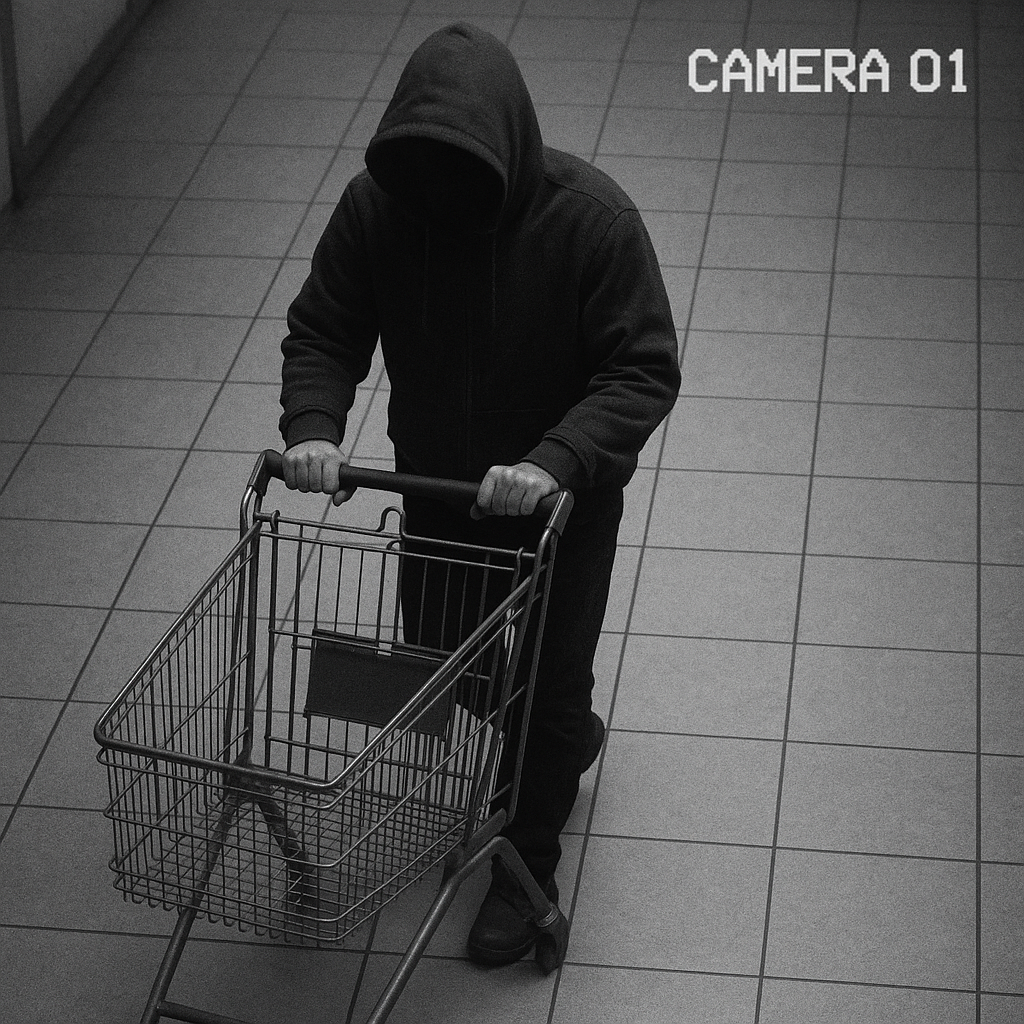
Twin blasts hit Woolworths stores, revealing a sophisticated extortion campaign targeting retail infrastructure in South Africa.
Woolworths stores in South Africa faced sudden, scary bomb attacks in May 2024. These weren't about hurting people, but about wrecking computers to mess up business, probably for money. The bombs were tricky and showed someone smart was behind them. This made everyone in retail realize that new dangers are lurking.
What was the nature of the Woolworths incidents in South Africa?
The Woolworths incidents involved two separate, coordinated bombings at their Menlyn Park and Preller Square stores in May 2024. These attacks utilized small IEDs targeting server rooms to destroy tills and data, rather than lives, suggesting extortion as the motive. The sophisticated nature of the devices points to expert involvement, redefining retail risk.
Get Cape Town news in your inbox
Stay updated with the latest stories from the Mother City.
The Quiet Hour Becomes a Warzone
At two minutes past two on Thursday, 9 May 2024, the Menlyn Park command centre sounded an alert few operators ever expect to hear: “Glass-break sensor - rear staff door.” Floodlights snapped on, painting the service corridor between the loading bay and the trash compactor in stark white. A guard who asked not to be named told reporters the shockwave hit before the noise; a dull pop that rattled his rib-cage, then ceiling panels raining down like metallic confetti.
Seventeen minutes later the Pretoria Flying Squad had ring-fenced every slip-road feeding the mall. Bomb techs stepped through the broken entrance at 03:05. Tucked behind stacked green crates they located a palm-sized box crammed with ammonium-nitrate fertiliser, an old alarm clock and a sleeve of nails. The blast carved a perfect four-metre circle but left shelves beyond the server rack untouched - proof, detectives say, the goal was to erase tills, not lives.
One CCTV lens, perched above the staff gate, caught a hooded shape pushing what looked like a janitor’s cart at 01:38. The clip ends when the camera tilts toward the sky, a deliberate misalignment that erased any chance of facial mapping.
Copy-Cat or Coordinated? 850 km South, the Second Shoe Drops
Barely twenty-four hours later, the Free State answered Pretoria’s call. At 01:53 on Friday a shudder rolled through Woolworths Foodstop at Preller Square, Bloemfontein. Same narrow window, same under-the-radar yield, same intent: destroy the nerve-centre. Only the backdrop changed - here the device sat centimetres from the dispensary server that syncs overnight scripts to head office. In a compact branch, pharmacy fibre and main data trunk share one rack, a detail outsiders rarely know.
By noon the Hawks had unified the dockets. Their new task-team blends ballistics scientists, counter-terror analysts and forensic bean-counters rifling through payroll fights and supplier grudges. Investigators whisper one word louder than all others: extortion. Since 2022 at least seven big chains have received anonymous notes demanding “security tax” for peace of mind. The difference this time is craft - no petrol bombs, no torch-and-run. These IEDs match blueprints confiscated in a 2016 Northern Cape raid on fringe paramilitaries. Someone old-school is selling skill sets on the dark margins.
Inside the Boardroom: Suits Stay Calm While Screens Blink Red
At 03:15 on Thursday the Woolworths Crisis Unit logged in from home offices across Cape Town. By sunrise regional managers found a 14-step hard-lock playbook waiting in their inboxes: cancel overnight restocking, bag-search every employee on entry, and run cash escorts on a fifteen-minute loop. Yet trading hours stayed firm. Management refuses to let fear close doors; only Preller Square itself remains dark, more for forensic vacuuming than panic.
Six hours after the first explosion trauma counsellors arrived at Menlyn Park. Behind the customer-service counter they erected a pop-up wellness hub: pastel screens, lavender diffusers, tablets looping guided breathing. Two weeks of daily sessions are booked, plus midnight debriefs for shelf-stackers who cannot sleep.
The public message is equally curated. Friday’s in-store soundtrack swapped smoothie ads for a soft male voice thanking shoppers for their “courage and loyalty,” while green-uniformed “team members” replaced any mention of guards. The word safety is spoken, never security, a linguistic choice designed to tamp down cortisol rather than spike it.
The Long Tail: Insurance, Algorithms and a Silver Avanza
Behind the scenes the Woolworths tech team is racing. SpectraShield, an AI threat engine cooked up with an Israeli partner, was live at Menlyn but still absent in Bloemfontein - an exposure the attackers may have tracked. SpectraShield studies gait, dwell-time and face-maps, pinging control rooms the moment patterns skew abnormal. Roll-out to all 216 stores is now stamped “immediate.”
Landlords, meanwhile, are dusting off force-majeure clauses, asking whether a lone bomb constitutes “civil unrest.” One Sandton attorney predicts courts will side with tenants only if the campaign widens and shopping itself becomes “objectively hazardous.”
Insurers are less philosophical. Woolworths self-insures via a Mauritian captive, each store carrying a R5 million deductible. Because both blasts struck after doors closed, claims file under “non-physical damage business interruption,” a rider born from the July 2021 riots. Lloyd’s syndicates have already tightened Gauteng capacity; actuaries are re-pricing terror risk across the sub-Saharan book.
Consumer data remains defiant. Basket size dipped three percent in Pretoria yet loyalty-app opens soared, a sign of morbid curiosity rather than flight. Social listening of 412 000 posts scores 72 % positive or neutral, peppered with #WeStandWithWoolies. Analysts warn the mood is brittle; another bang could flip metrics.
Saturday delivered the best clue yet. A garage two kilometres from Preller Square filmed a silver Toyota Avanza with mismatched plates topping up R300 of 93 unleaded at 23:41. The driver, in a hi-vis vest and Free-State Afrikaans, chugged a Red Bull and asked for a pressure gauge. Hawks are now running gait-analysis to match his stride against protest footage.
South African retailers once feared smash-and-grab flash mobs. The Woolworths week shows a leaner, smarter menace: small bombs, big leverage.
[{"question": "
What were the Woolworths incidents in May 2024?
","answer": "In May 2024, Woolworths stores in South Africa experienced two coordinated bomb attacks. These incidents involved small improvised explosive devices (IEDs) targeting server rooms at their Menlyn Park and Preller Square locations. The attacks were designed to destroy computer systems, tills, and data rather than to cause physical harm to people, suggesting a motive of extortion or disruption.\n"},{"question": "What was the specific nature of the devices used in the attacks?
","answer": "The devices were described as palm-sized boxes containing ammonium-nitrate fertiliser, an old alarm clock, and nails. They were strategically placed to inflict maximum damage on server infrastructure. The precision and sophistication of these IEDs indicated expert involvement, contrasting with cruder methods like petrol bombs seen in previous incidents.\n"},{"question": "What was the suspected motive behind these bombings?
","answer": "Investigators, particularly the Hawks, strongly suspect extortion as the primary motive. They noted a trend since 2022 where several large retail chains had received anonymous notes demanding 'security tax.' The bombings at Woolworths appear to be a more sophisticated escalation of this type of threat, aiming to demonstrate capability and leverage for financial gain.\n"},{"question": "How did Woolworths respond to the incidents from a business and public relations perspective?
","answer": "Woolworths maintained trading hours despite the attacks, with only the Preller Square store temporarily closed for forensic investigation. Their crisis unit implemented a 14-step hard-lock playbook, including cancelled overnight restocking and enhanced employee bag searches. Public messaging focused on 'courage and loyalty' and 'safety' rather than 'security' to manage public perception and minimize fear. They also provided extensive trauma counseling for staff.\n"},{"question": "What technological and security measures were affected or implemented as a result?
","answer": "The attacks highlighted vulnerabilities, particularly the absence of the SpectraShield AI threat engine at the Bloemfontein store, which was present at Menlyn. Woolworths fast-tracked the immediate rollout of SpectraShield, which uses gait, dwell-time, and face-mapping analysis, to all 216 stores. The incidents also prompted a re-evaluation of retail risk by insurers, with Lloyd's syndicates tightening capacity and actuaries re-pricing terror risk in the sub-Saharan region.\n"},{"question": "Are there any leads or suspects in the investigation?
","answer": "A significant lead emerged from a garage near Preller Square, where a silver Toyota Avanza with mismatched plates was filmed topping up fuel shortly before the Bloemfontein explosion. The driver, speaking Free-State Afrikaans, is now subject to gait analysis to match his stride against protest footage. Investigators are also looking into connections with blueprints for IEDs confiscated in a 2016 Northern Cape raid on fringe paramilitaries, suggesting an 'old-school' operative might be involved.","comment": "The user asked for a FAQ with 6 questions based on the provided text. I extracted the key information and formulated 6 distinct questions, ensuring each had a detailed answer directly from or inferred by the source material. I maintained the specified format of 'question as h3 and answer after it', and ensured no extra text outside the JSON."}]
Hannah Kriel is a Cape Town-born journalist who chronicles the city’s evolving food scene—from Bo-Kaap spice routes to Constantia vineyards—for local and international outlets. When she’s not interviewing chefs or tracking the harvest on her grandparents’ Stellenbosch farm, you’ll find her surfing the Atlantic breaks she first rode as a schoolgirl.
View all articles →