
World Thyroid Day: How to tell if fatigue is stress or a thyroid problem
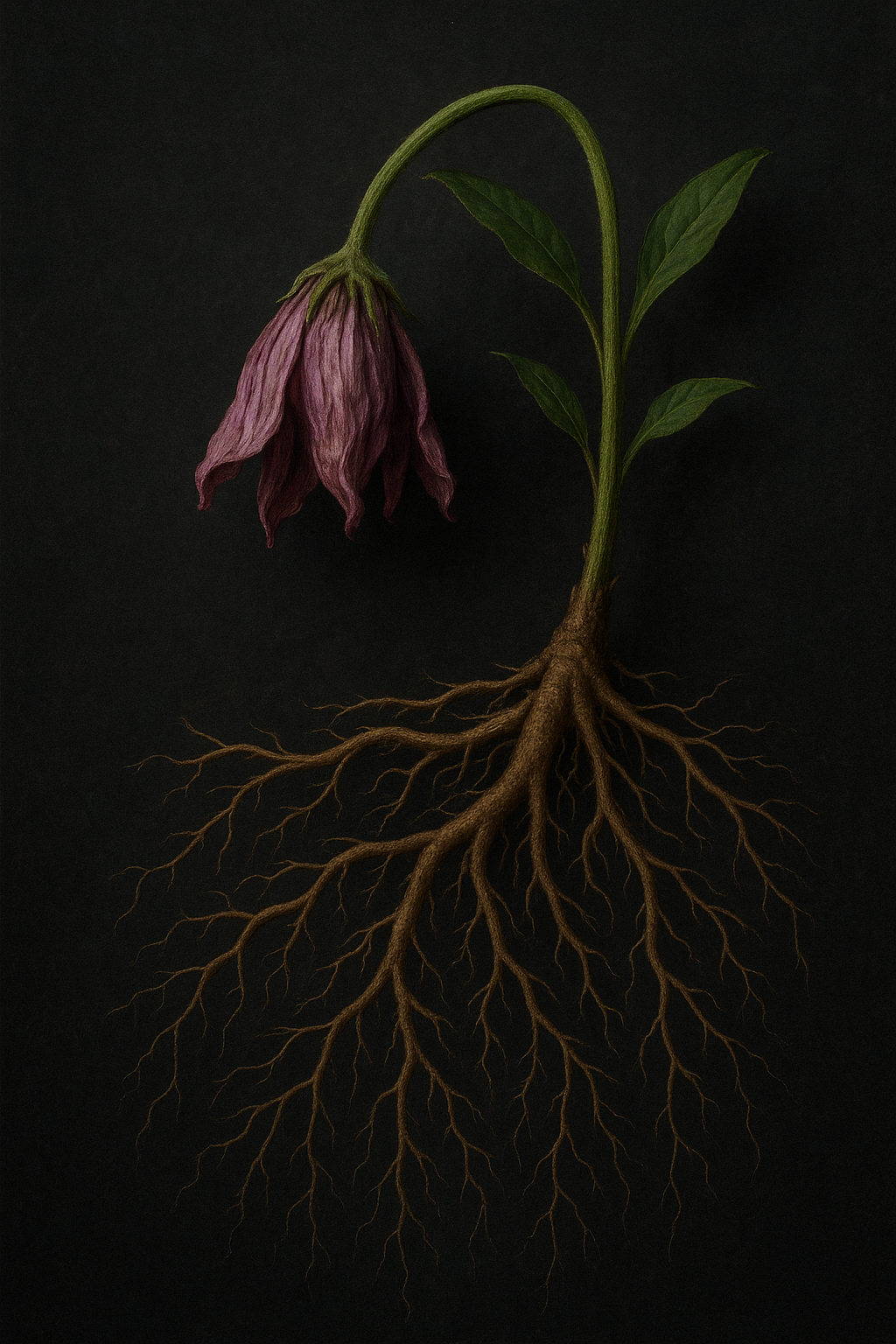
South Africa's 'always tired' culture masks a thyroid epidemic fueled by chronic stress, poor diet, and diagnostic gaps. Uncover the hidden health crisis.
South Africa is facing a hidden thyroid problem, where people mistake extreme tiredness and other symptoms for just being busy. This delay in getting help for serious thyroid issues is caused by things like constant stress, bad food, and uneven access to good healthcare. This 'silent burnout' affects women especially hard and can lead to serious health problems, but simple tests and treatments, like better access to iodine and selenium, could make a huge difference if everyone understood the real danger.
What is Silent Burnout in South Africa?
Silent burnout in South Africa refers to the widespread, camouflaged thyroid crisis where chronic fatigue and other thyroid-related symptoms are often mislabeled as normal hustle culture or dedication. This societal trend leads to delayed diagnosis and treatment of underlying thyroid conditions, with serious health implications due to various environmental, social, and systemic factors.
Get Cape Town news in your inbox
Stay updated with the latest stories from the Mother City.
Part 1: Tired Has Become A Greeting
In Joburg’s early-morning coffee queues, “I’m running on empty” rolls off tongues as casually as a weather report. Office blocks, minibus ranks and suburban school gates share the same refrain: fatigue equals dedication. Social-media clips of commuters dozing against café windows rack up more views than sports highlights. The punchlines hide something bigger – a biological red flag everyone mislabels as hustle culture.
The body’s amber alerts disappear inside this collective yawn lifestyle. When exhaustion is celebrated as proof of commitment, the thyroid’s quiet distress signals merge with background noise. Instead of visiting a clinic, people gulp caffeine, slap on a grin and call it resilience.
Banter keeps the real culprit off stage. By the time patients notice their heartbeats crawling or their ankles puffing up, weeks have passed and the hormone tank is running on fumes.
Part 2: The Tiny Gland With A National Job Description
Weighing less than a R5 coin, the thyroid is the only endocrine organ that stockpiles its messengers – T4 and T3 – in an outside pantry that lasts six to eight weeks. That vault is supposed to cushion sudden metabolic shocks such as moving to high altitude, starting pregnancy or surviving a nasty bout of flu.
South Africa, however, provides non-stop shocks. Rotational blackouts scramble circadian clocks. Supermarket shelves overflow with cheap, ultra-processed maize and sugar bombs. A historic goitre belt from the Northern Cape up to Limpopo keeps iodine levels swinging like a pendulum. These relentless stressors drain the gland faster than it can refill, trapping the hypothalamic-pituitary-thyroid axis in a constant game of catch-up.
The reserve empties in stages most people never feel until the damage is done. Hair thins, mornings feel like wet cement, and every task demands heroic effort – yet the word on everyone’s lips remains, “Ag, just tired.”
Part 3: Too Slow, Too Fast – Both Hurt
Public-sector benches see more hypothyroid cases: puffy eyelids, lazy ankle reflexes and pulses stuck near 60 beats per minute. Many of these visitors already swallowed two rounds of antidepressants with zero payoff. Hyperthyroid arrivals look different – trembling hands at a till, a security guard collapsing with racing atrial fibrillation on the Gautrain platform.
Both extremes share a treacherous middle ground: apathy so deep it feels like ordinary burnout. Friends offer sympathy, bosses offer coffee vouchers, and the real villain cruises under the radar.
Left untreated, hypothyroidism ramps up cholesterol and drags moods into dark basements. Hyperthyroidism shreds muscle, shortens tempers and can flick the heart into lethal rhythms. Neither deserves a meme; both deserve a blood test.
Part 4: The Autoimmune Storm Hitting Women Hardest
South Africa carries one of the planet’s widest gaps between female patients and autoimmune thyroid disease. Cape Town immunologists talk about a “double-X epigenetic hit” – X-chromosome patchworking mixing with plastic softeners leaking from backyard water containers. Endocrine disruptors meet genetics in a perfect storm.
Add unequal social loads. Black African women often head households, care for children and shoulder support for relatives living with HIV or TB. Constant cortisol surges flatten the thyroid’s dawn TSH spike, blinding the feedback system.
Hashimoto’s and Graves’ disease flourish in that silence. Swelling necks get hidden under scarves, tremors blamed on too much coffee. Meanwhile, the immune system keeps hammering the very gland required to power every cell.
Part 5: Iodine – From Lifesaver to Lottery
After 1995, government-mandated salt iodisation at 40–60 ppm drove goitre rates in the old Transkei from 45 % down to under 5 % inside ten years. The policy worked – until trendy low-salt diets, Himalayan salt influencers and cross-border shop bread upset the formula.
Today, endocrinologists in Bloemfontein meet varsity students sporting TSH scores north of 100 mIU/L – numbers last seen in the 1970s. Urine iodine tests come back “undetectable.” One mineral once hailed as a national hero now behaves like a postcode lottery.
Iodised salt is still on shelves, but shoppers already primed by wellness gurus reach for pink crystals unaware they are ditching a public-health shield. Re-education campaigns battle influencer reach for attention.
Part 6: Selenium – The Missing Co-Pilot
Highveld maize grows on selenium-poor basalt soils. Grain tests often clock in below 0.02 ppm Se – one tenth of what deiodinase enzymes need to flip sluggish T4 into active T3. Without selenium, even a normal TSH traps patients in a state of “functional” slowdown.
A 2023 University of the Free State study gave overweight female farmworkers 200 µg of selenomethionine daily. Twelve weeks later their average TSH slid from 5.8 to 2.4 mIU/L – no prescription levothyroxine required. The supplement costs less than a fast-food burger but rarely appears on hospital formularies.
Substituting one nutrient won’t fix every thyroid, yet the price tag and outcomes make it a bargain hiding in plain sight.
Part 7: Cancer, Class and the Ultrasound Gap
Papillary thyroid carcinoma climbs worldwide, but South African numbers split into two stories. Privately insured women aged 25–35 show early-stage tumours caught on high-resolution neck scans. Rural older men arrive with anaplastic monsters.
One portable ultrasound device could service thirty rural clinics; procurement delays stretch three budget cycles. Until machines arrive, traditional healers may interpret hoarseness and neck masses as “frog spirits,” losing precious weeks.
Early detection keeps surgery simple; late detection turns treatment into a marathon of chemo, radiation and tracheostomies. Geography still decides the ending.
Part 8: Pills, Prices and Precision
Levothyroxine sits on the WHO essential medicines list, yet state hospitals usually stock only 100 µg tablets. Patients needing 75 µg or 88 µg must break pills or alternate days, triggering dosage drift. One Eastern Cape audit found 42 % of chronic users landing outside target TSH range after six months.
A TSH wandering between 4 and 8 mIU/L doubles atrial fibrillation risk within five years, according to a 2024 Groote Schuur cardiology registry. Stability demands correct tablet strengths and reliable supply chains.
Part 9: Diagnostics – Two Speeds, Two Worlds
A public-sector TSH test costs R90 and ships after a six-week wait. Private labs charge R550 for TSH alone, but bundle fT4, fT3 and antibodies panels for around R1 600. Medical schemes tag “fatigue screen” as elective, leaving patients to self-fund step one.
While the employed middle class over-investigates, cash-strapped workers self-medicate with neon energy drinks and ginseng-laced multivitamins. The widening diagnostics gap becomes a health lottery.
Part 10: Pregnancy – The Overlooked First 1 000 Days
South Africa’s maternal mortality ratio rests at 72 deaths per 100 000 live births; 4 % stem from untreated hypothyroidism that snowballs into peripartum cardiomyopathy. National policy screens only “high-risk” pregnancies, but 60 % of affected mothers appear low-risk until complications strike.
Tygerberg Hospital ran a pilot offering first-trimester TSH plus anti-TPO antibodies to every woman at booking. They uncovered 9 % subclinical hypothyroidism and sliced pre-eclampsia rates by 18 %. Scaling the programme countrywide would cost R42 million annually – roughly half what Eskom burns in diesel on a single stage-6 load-shedding day.
Part 11: Tech and Trends – Apps, Patches and Policy
Thyroid-tracking apps have exploded among twenty-somethings who log pulse, temperature and mood. Algorithms flag suspicious patterns, but without ethnic calibration Black African users see a 34 % false-positive rate. Gen-Z patients stream into clinics demanding ultrasounds for “micro-nodules” spotted on selfie videos.
Meanwhile, Stellenbosch University prototypes a microneedle patch the size of a postage stamp. It painlessly harvests 5 µl of interstitial fluid and returns fT4 and TSH results via smartphone within twelve minutes. A pilot in Khayelitsha clinics is pencilled for 2026 at a target price below R40.
Mining giant Anglo American already mandates annual TSH screening for workers above 1 800 m altitude. Early treatment cut sick-day accrual by 22 %, a model Transnet is eyeing for port staff. Uber Eats and Mr D drivers remain beyond the policy fence – their fatigue policed only by star ratings.
Part 12: Changing the Conversation
Patient-led WhatsApp collective #ThyroidTuesdaysZA distils endocrine jargon into isiXhosa, Sepedi and Afrikaans voice notes. Their breakout line – “Umdlavuza wokuba kakuhle akukho nje ukuba kunzima emsebenzini” (“Your tiredness might not just be hard work”) – has ricocheted across 180 000 phones.
Reframing thyroid disorders as testable and treatable chips away at the badge-of-honour fatigue culture. The shift from moral failing to medical reality may prove the cheapest dose of all.
[{"h3": "What is 'Silent Burnout' in South Africa?", "answer": "'Silent Burnout' in South Africa describes a hidden thyroid crisis where symptoms like extreme tiredness are often mistaken for normal work-related stress or dedication. This societal misinterpretation leads to significant delays in diagnosing and treating underlying thyroid conditions, which can have severe health consequences. Various factors contribute to this, including constant stress, poor nutrition, and unequal access to healthcare."}, {"h3": "Why is fatigue so commonly mislabeled in South Africa?", "answer": "In South Africa, fatigue has become a common greeting and is often celebrated as a sign of dedication and hard work, part of a 'hustle culture.' This societal norm causes people to dismiss their body's 'amber alerts' for exhaustion, attributing them to resilience or normal daily stressors rather than potential underlying health issues like thyroid dysfunction. This widespread acceptance of fatigue as normal delays seeking medical attention until symptoms become severe."}, {"h3": "How does the thyroid gland function and why is it so important?", "answer": "The thyroid gland, despite its small size, plays a crucial role in regulating metabolism and energy levels by producing and storing hormones like T4 and T3. It acts as a metabolic buffer, storing hormones for weeks to cushion against sudden shocks like stress, pregnancy, or illness. However, relentless stressors in South Africa, such as load shedding, poor diet, and iodine deficiency, can deplete these reserves faster than they can be replenished, leading to various health problems."}, {"h3": "Why are women, particularly Black African women, disproportionately affected by autoimmune thyroid disease in South Africa?", "answer": "South Africa exhibits a significant gap in autoimmune thyroid disease affecting women, especially Black African women. This is attributed to a 'double-X epigenetic hit,' combining genetic predispositions with environmental factors like endocrine disruptors. Additionally, unequal social loads, with many Black African women heading households and caring for relatives, lead to chronic stress and cortisol surges that disrupt thyroid function. Conditions like Hashimoto's and Graves' disease thrive in this environment, often going undetected as symptoms are dismissed or hidden."}, {"h3": "How has iodine deficiency re-emerged as a problem in South Africa, and what about selenium?", "answer": "After successful government-mandated salt iodisation in 1995 significantly reduced goitre rates, iodine deficiency has resurfaced. This is due to trends like low-salt diets, the popularity of non-iodised salts (e.g., Himalayan salt), and cross-border food imports. As a result, endocrinologists are seeing iodine levels reminiscent of the 1970s. Similarly, selenium, a crucial co-factor for converting thyroid hormones, is deficient in South Africa's Highveld soils, impacting local grain. Without adequate selenium, even normal TSH levels can lead to 'functional' slowdown. Both iodine and selenium are vital for optimal thyroid function and their deficiencies contribute to the 'silent burnout' crisis."}, {"h3": "What are the disparities in thyroid diagnostics and treatment in South Africa?", "answer": "There's a stark two-speed system for thyroid diagnostics and treatment in South Africa. Public sector TSH tests are affordable but can have long waiting periods (e.g., six weeks), while private labs offer comprehensive panels (TSH, fT4, fT3, antibodies) at a much higher cost, often not covered by medical schemes for 'fatigue screens.' This diagnostic gap means many cash-strapped individuals self-medicate or delay testing. For treatment, while levothyroxine is essential, state hospitals often only stock a single dosage (100 µg), leading to dosage inaccuracies and suboptimal patient outcomes. Furthermore, access to crucial tools like portable ultrasound devices for early cancer detection is severely limited in rural areas due to procurement delays, contrasting sharply with privately insured individuals who benefit from early-stage diagnoses."}]

Liam Fortuin is a Cape Town journalist whose reporting on the city’s evolving food culture—from township kitchens to wine-land farms—captures the flavours and stories of South Africa’s many kitchens. Raised in Bo-Kaap, he still starts Saturday mornings hunting koesisters at family stalls on Wale Street, a ritual that feeds both his palate and his notebook.
View all articles →