
A shift towards a global brand
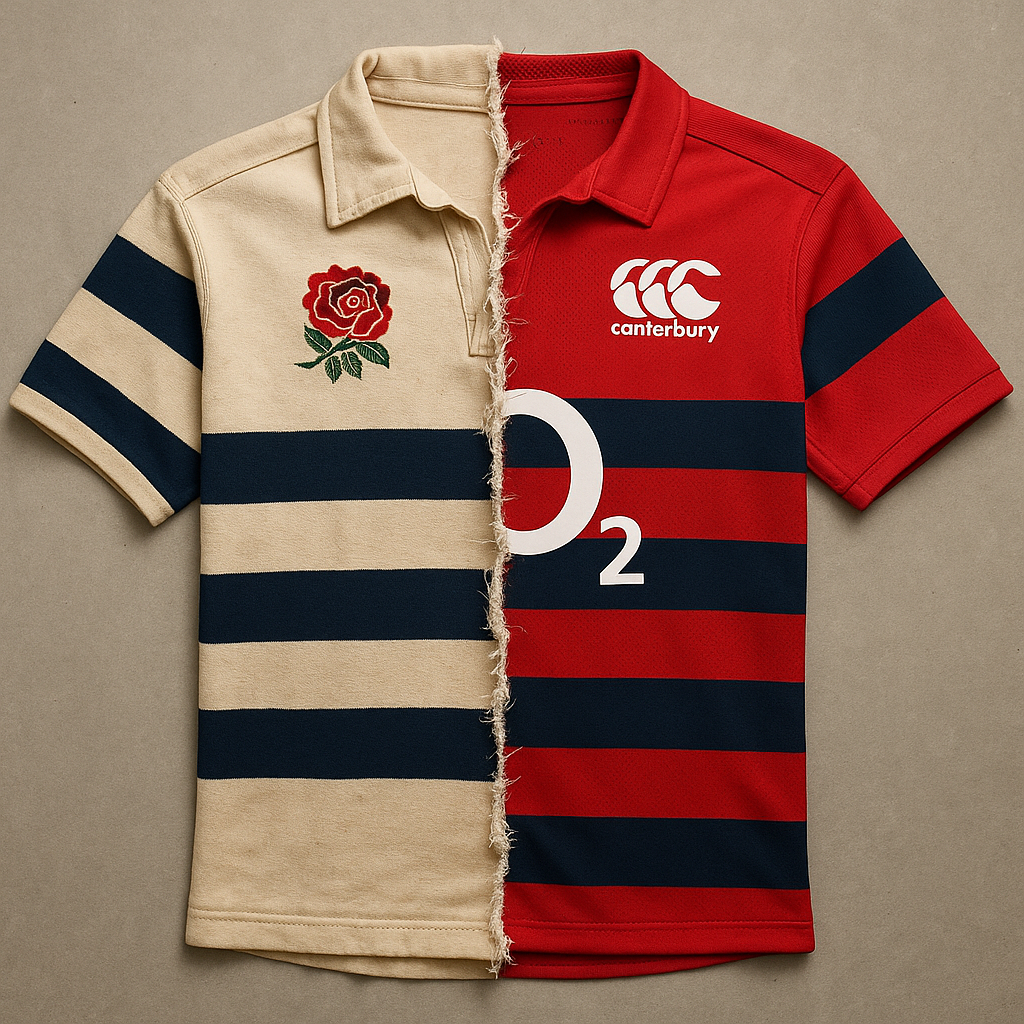
The Stormers vs. Western Province: A rugby identity crisis in the Western Cape, balancing tradition with global commercialism.
Cape Town rugby, through the Stormers, brilliantly juggles old traditions with new global demands. They've embraced modern marketing and international competitions to make money and reach new fans worldwide. Yet, they fiercely protect their cherished local history, symbols, and beloved Currie Cup to keep their deep connection with Cape Town's passionate supporters. It’s a spectacular dance between their glorious past and an exciting, money-making future, all while keeping their rugby heart beating strong.
How has Cape Town rugby adapted to global commercial demands while retaining local heritage?
Cape Town rugby, through the Stormers, balances global commercialization with local heritage by adopting a dual identity. They embrace new branding, digital marketing, and international competitions for revenue, while simultaneously honoring traditional Western Province symbols, anthems, and the Currie Cup to maintain strong local fan connections and historical roots.
Get Cape Town news in your inbox
Stay updated with the latest stories from the Mother City.
1. From Newlands’ Ghosts to TikTok Thunderbolts
Navy-and-white hoops once snapped in the southeaster above Newlands; today the same stripes ripple on LED screens from Seattle to Singapore, only thinner, faster, married to a neon thunderbolt. Teenagers in Stellenbosch vineyards still pull on threadbare Western Province sweatshirts, convinced the road to the Springboks begins with a Currie Cup winner’s medal, not a URC try-assist reel. One region, two jerseys, one heartbeat measured in rands and euros at the same time.
The flip was never a single press-conference moment. In 1996 SANZAR served Super Rugby as a made-for-TV burger: franchises instead of unions, Friday-night kick-offs, ad-space between scrums. Western Province, 113 years old and drunk on its own folklore, simply stitched “Stormers” beneath the collar and marched on. By 2010 the sales pitch opened with “180 million households” instead of the 1982 “wet-boots” final, and the spreadsheet became the family bible.
Exporting the story overseas demanded a name that did not need a translator. “Cape of Storms” is poetry in any language; “Western Province” dissolves into vowel soup once you hit the Equator. A lightning bolt fits a sneaker tongue; an antelope rampant wrapped in Latin looks like a municipal parking permit. In 2015 the digital squad A/B-tested adverts in German and Japanese - unimaginable when the biggest crowd ambition was packing the Danie Craven Stand on a Saturday noon.
2. When Heritage Met the Balance Sheet
Inside South Africa the downgrade of the Currie Cup felt like a divorce hearing held during the honeymoon. The tournament was clipped into two-month windows that kissed school-exam season and December holidays, leaving once-loyal seat-holders staring at empty stands and URC signage. Club presidents who had fed legends such as Chester Williams and Bryan Habana into the system complained the Stormers academy vacuumed up 18-year-olds and mailed them back at 26, ligaments frayed and résumés empty. Heritage, they argued, was being strip-mined for click-throughs.
Head coach John Dobson - lifelong Newlands stand regular - now spends halftime interviews defending the dual identity. He rattles off numbers: social reach four times fatter than 2017, a 42-million-eyeball URC final, a DHL renewal north of R60 million per season that bankrolls 38 academy contracts bigger than most club coaches’ salaries. Still, the CapeTalk switchboard lights up with callers who refuse any noun except “Province.”
To keep both camps inside the same tent, the union choreographs Easter-egg symbolism. Playoff tunnels are tinted midnight-black for television, yet the reserve prop warms up in a 1982 retro shirt bought at auction. Programmes list each starter’s Currie Cup appearances; socks stay stubbornly hooped; the thunderbolt logo now hides a faint protea silhouette visible only under LED glare. Nostalgia and monetization slow-dance in the same chorus line.
Commercial gravity, however, keeps tilting north. With South Africa’s shift into the URC and soon the European Champions Cup, seventy cents of every elite-rugby rand arrive in euros or pounds. A €55 million annual URC broadcast cheque dwarfs any rand-denomestic Currie Cup deal, so fixtures pop up in Tottenham Hotspur’s stadium or on a Singapore stop-over because one Instagram carousel there outperforms an entire 1998 Currie Cup season. The spreadsheet, once again, shouts loudest.
3. Pipeline, Podcasts and the Latvian Sleeve Deal
The talent factory globalised overnight. Between 2020 and 2023 the Western Province Rugby Institute enrolled fourteen prospects from Nairobi, Harare and Windhoek, immediately repackaged as “Stormers-Next-Gen” on Camps Bay TikTok shoots. Namibian lock Adriaan Ludick - American accent courtesy of a New Jersey exchange - dropped an Afrikaans-free, emoji-packed interview that harvested 3.2 million views inside a week and a Latvian mobile-gaming sleeve logo before he had packed his first senior kit.
Retail shelves reveal the same split personality. The 2023 “Cape Town Edition” storm-grey alternate - with lightning bolts that shimmer like oil on water - outsold the classic hoops four-to-one at the V&A Waterfront, while forty-something Bulls supporters still queue outside Loftus with 1992 Currie Cup programmes they want Dobson to sign. EU web-shops file the URC jersey between Scarlets and Sharks at €89,99; the Western Province equivalent languishes in a “Rest of World” clearance tab. One SKU bankrolls the academy; the other keeps the archives breathing.
Even vocabulary gets swapped like substations. Commentator Nick Mallett utters “Stormers franchise” for URC feeds and dusts off “Western Province” only during July’s Currie Cup window. Players receive monthly cheat-sheets: #iamastormer from August to June, #ProvincePride for the domestic winter. Rural club coaches hear eight-year-olds demand to play “loose-forward for the Stormers,” unaware the official registration form still reads “flanker, Western Province Rugby Football Union.” A Robertson primary-school teacher now accepts both spellings, depending on the logo glittering on the exercise book.
4. Anthem of the Undying Crest
Yet the original brand refuses flat-lining. When the Stormers lifted the 2022 URC trophy, the victory lap was scored by a brass band belting the 1970s folk anthem “Province, My Province” at Dobson’s request - an olive branch to his 84-year-old father who will not wear anything lacking an antelope crest. Cameras found a supporter in a yellowed 1980s cotton jersey waving a cardboard confession: “I was Storm before Storm was cool.” The meme exploded, and by Monday the union’s store was auctioning “Throwback 1987” shirts at R1 999; stock evaporated in 37 minutes, 60 % snapped up by foreign IP addresses.
The standoff will not end because South African rugby now operates two checkouts in parallel: one priced in rands for the nostalgic heartbeat, one in euros for the global timeline. Western Province and the Stormers are simultaneous editions, printed in different alphabets, sold in different terminals. On any given weekend the same flanker may thump a Welsh international beneath a Milan closed-roof for 56 000 viewers, then catch a red-eye to Gqeberha and run out against the Pumas before 8 000 locals who still call him “boet” and remember his father’s 1989 drop-goal. He will swap jerseys, hashtags, maybe even vowels, but the blue-and-white hoops stay inked on his calf - sometimes masked by a compression sleeve, sometimes flashing like a secret handshake when he slides across a dew-soaked try-line.
How do the Stormers balance their local heritage with global commercial demands?
Cape Town rugby, through the Stormers, achieves this balance by maintaining a dual identity. They embrace modern marketing, international competitions, and new branding for global reach and revenue, while simultaneously protecting cherished local symbols, the Currie Cup, and traditional values to maintain a strong connection with their passionate local supporters. This involves choreographing symbolism, like displaying traditional elements alongside new branding, and acknowledging both local and international achievements.
How has the Stormers' branding and marketing evolved to meet international audiences?
The Stormers have strategically evolved their branding and marketing. They adopted a name, "Cape of Storms," that translates well internationally, and their lightning bolt logo is globally recognizable. They utilize modern digital marketing, including A/B testing adverts in various languages and leveraging platforms like TikTok and Instagram, to reach new fans in diverse markets from Seattle to Singapore. This contrasts sharply with the localized marketing efforts of the past.
What role does the Currie Cup play in Cape Town rugby's current strategy?
While global competitions like the URC bring significant financial benefits, the Currie Cup remains vital for maintaining the Stormers' deep local connection. Despite its reduced commercial prominence, the Currie Cup is fiercely protected as a symbol of local heritage. It serves as a pipeline for talent, a platform for showcasing local players, and a touchstone for older fans who hold its history sacred. The team makes efforts to acknowledge its importance, even in a globally focused environment, through symbolic gestures and by recognizing player's Currie Cup appearances.
How does the financial landscape influence the Stormers' decisions?
The financial landscape heavily influences the Stormers' decisions, with a significant shift towards international currencies like euros and pounds. The substantial URC broadcast deals and sponsorships (like the DHL renewal) are crucial for funding the team, including academy contracts. This commercial gravity often dictates fixture locations in international venues and the prioritization of international competitions, as these generate considerably more revenue than domestic engagements.
How is new talent integrated into the Stormers setup with a global perspective?
The Stormers have globalized their talent pipeline. The Western Province Rugby Institute now enrolls prospects from across Africa, repackaging them as "Stormers-Next-Gen" for social media. These young talents are exposed to international marketing from an early stage, such as Namibian lock Adriaan Ludick securing a Latvian mobile-gaming sleeve deal even before making his senior debut. This approach aims to cultivate talent that is both locally grounded and globally marketable.
How do the Stormers manage their dual identity in everyday operations and fan engagement?
The Stormers manage their dual identity through various means. This includes using different terminology, such as "Stormers franchise" for URC broadcasts and "Western Province" for Currie Cup, and providing players with cheat-sheets for appropriate hashtags (#iamastormer, #ProvincePride). Retail shelves reflect this, with global URC merchandise selling alongside traditional Western Province items. Even in victory, the team blends old and new, celebrating URC triumphs with traditional anthems while simultaneously monetizing throwback merchandise. This ensures both nostalgic local fans and new global followers feel connected.

Aiden Abrahams is a Cape Town-based journalist who chronicles the city’s shifting political landscape for the Weekend Argus and Daily Maverick. Whether tracking parliamentary debates or tracing the legacy of District Six through his family’s own displacement, he roots every story in the voices that braid the Peninsula’s many cultures. Off deadline you’ll find him pacing the Sea Point promenade, debating Kaapse klopse rhythms with anyone who’ll listen.
View all articles →