
South African figure skating takes centre stage in Cape Town this May
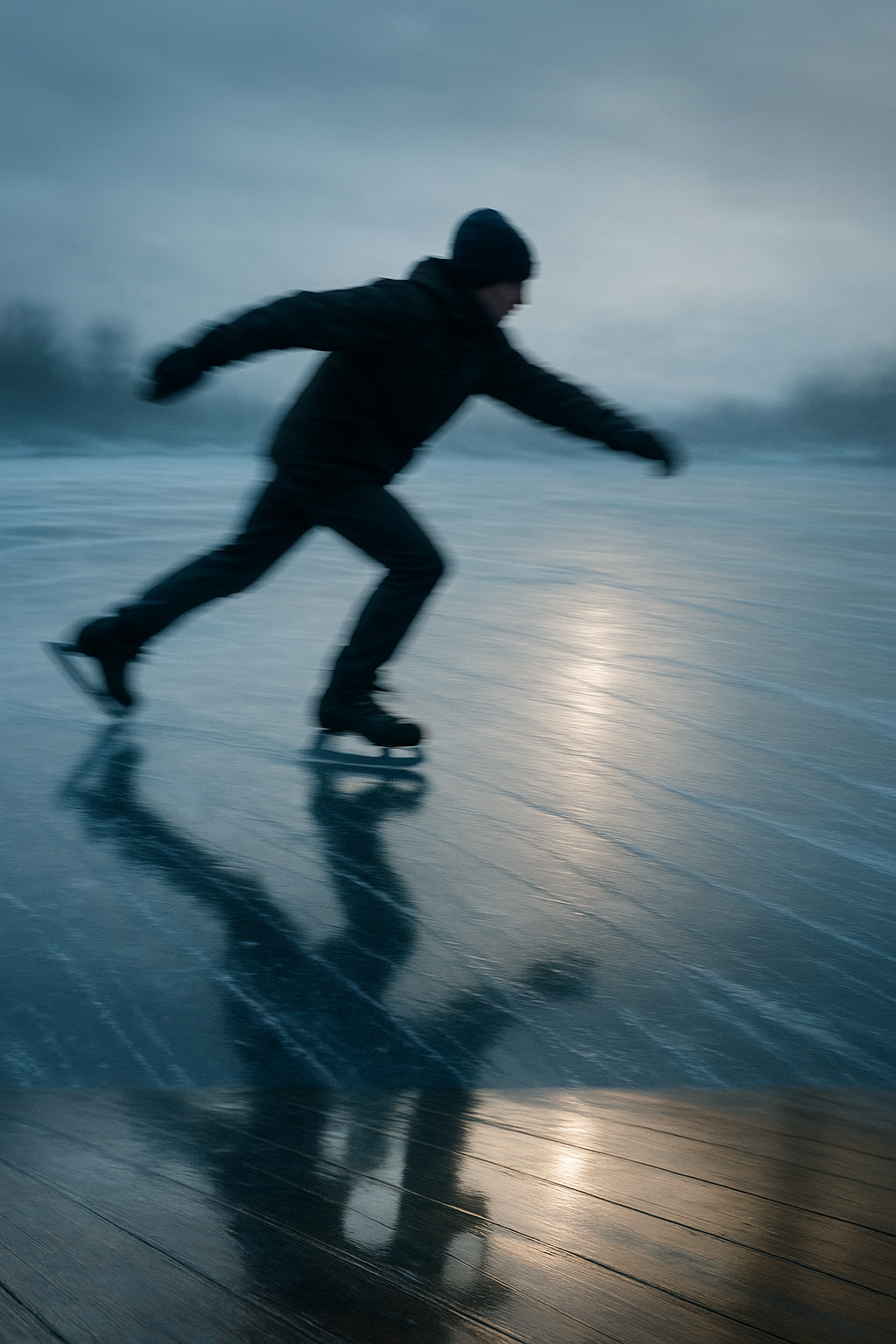
Cape Town hosts the 2026 SA Figure Skating Championships, transforming GrandWest's Ice Station into a hub of athletic and community spirit.
Cape Town's only Olympic-sized ice rink is hosting the South African National Figure Skating Championships for the very first time! This isn't just about fancy spins; it's a huge step for the sport in South Africa. They're making the event super special with cool new ideas, like helping kids from poor areas learn to skate and training local judges. It's a big, exciting party for figure skating that will change the game forever!
What is the significance of the upcoming South African National Figure Skating Championships?
The 2026 South African National Figure Skating Championships are significant because they mark the first time the event is held at Cape Town's only Olympic-sized rink. They showcase a surge in local talent, demonstrate innovative cost-saving measures through community involvement, and incorporate a unique development program to grow the sport.
Get Cape Town news in your inbox
Stay updated with the latest stories from the Mother City.
The Invisible Blueprint: 72 Hours of Choreographed Chaos
On 10 May 2026 the GrandWest Casino floor will surrender its slot-machine jingle to the scrape of blades and the hush before a triple Salchow. For the first time in its 24-year history, the Ice Station’s Olympic-sized pad - still the only one south of the Sahara - will host the South African National Figure Skating Championships. Spectators will see sequins and spotlights, yet the real script hides inside a 42-page risk dossier that doubles as the event timetable. Music rights alone required sign-off from three separate licensing houses; the Zamboni blade was reground to a 5⁄8-inch hollow because Cape Town’s ocean air softens ice faster than the Highveld or KwaZulu-Natal rinks ever allow. Those details never reach a ticket stub, but one mis-measured millimetre and the entire spectacle stalls.
While the casino’s overnight gamblers roll home, 120 volunteers begin their shift at 05:00. They haul rubber matting, bolt sponsor panels to plexi, and coax ten hydraulic buttons that drop hockey boards so the sheet morphs from match mode to performance mode in ninety seconds. Among them are students, grandparents and a former Royal Navy stoker who can strip an ice-resurfacer carburettor blind-folded. Their wage is a sandwich and a lanyard they can keep for life. Between them they speak nine languages, yet communicate in ISU code - “1033, 503, 605” - barked like bingo numbers across the glass.
By 07:00 the first athletes trickle upstairs to the Athletes’ Desk, most younger than the volunteers guiding them. Entry forms reveal 112 competitors, double the 2018 tally. The jump is no accident: Skate South Africa’s quietly released “Ice Pathway” manual now demands two sanctioned inter-provincial scores before a skater can even register for Nationals. Coaches can no longer park talented ten-year-olds at beginner level for cheap medals. The ripple effect is already visible - last year’s novice champion nailed a double Axel; this season’s pre-novice sheet lists three girls training triples.
Scraping for Ice Time: How a R1.9-Million Budget Builds Champions
Money is the sport’s permanent bruise. One custom pair of junior boots plus blades costs more than a government primary school’s annual food budget. SAFSA’s entire high-performance grant from SASCOC for 2026 is R1.9 million - roughly what a Canadian province spends on skate guards alone. Instead of copying year-round private clubs, South African coaches train in explosive bursts. Ice is rented 05:30–07:30 and 21:00–23:00, the cheapest casino off-peak windows. When the rink shuts, skaters migrate to underground parking garages where snap-together sport tiles mimic glide. Jump harnesses are cobbled from climbing rope looped over netball posts - gear that would make a Swedish coach faint - yet it has produced athletes who rotate triple toe-loops at 1,300 m above sea level on soft, coastal ice.
Inside this year’s championships sits a Trojan-horse development festival. Each morning, before the first competitive six-minute warm-up, sixty children from Khayelitsha, Delft and Gugulethu pile off two buses into a “Talent Identification Camp” bank-rolled by a Swedish tech company in need of a CSI tick-box. They receive second-hand skates, an hour on the ice beside national team mentors who speak isiXhosa and Afrikaans, and a voucher for ten free future lessons. Last year 42 % redeemed the voucher - retention that shames many mass-sport programmes.
Upstairs, a quieter revolution brews in the Judges’ Room. Historically South Africa flew in European technical specialists; this year nine of the twelve officials hold local passports, the largest cohort ever. The surge traces back to a pandemic-era shadow school where candidates Zoomed through recorded programmes and wrote monitored online exams. Star graduate Aviwe Mbali, 24, once a junior national bronze medallist, retired after an ACL tear and will now serve as technical controller for the senior ladies free skate - becoming the first Black woman to hold that gavel in the event’s 78-year history. She opted for flight credits rather than cash, eyeing an ISU seminar in Bangkok later this year.
The Green Gimmick and the Data Goldmine
Spectator tickets cost less than two airport cappuccinos: R80 a session, R120 for the full three-day pass. Organisers want walk-ins from slot-machine aisles, pension-day grandmothers and teens killing time before a movie. The timetable is printed on paper infused with tomato seeds; after the event fans can plant the sheet in township soil, a stunt that earned the meet a provisional “green-sport” badge from the City’s Events Office. Food stalls are reserved for local vendors - the boerewors roll counter is run by an athlete’s uncle, the vegan kiosk by a mother whose daughter is dairy-intolerant.
Behind the glamour, students from Stellenbosch University are mining raw data. Every element declared on entry forms - spin level, jump base value, choreographic character step - feeds into an open-source dashboard. Coaches will later receive a biomechanics report matching planned versus executed content, rotational speed in rpm, metres of ice covered, and heart-rate spikes synced to music swells. The long game is to archive “South African signatures” in movement, the same way cricket analysts learned local fast bowlers generate higher arm-rotation velocity on hard, dry wickets.
Because no ISU technical delegates are flying in, the organising crew can experiment. The opening ceremony will field forty skaters from three clubs in a massed synchro routine, turning Nationals into its own half-time show. Music will stream to a low-latency phone app so arena speakers stay muted, trimming licence fees and enabling trilingual commentary in English, Afrikaans and isiXhosa. Weather is the wildcard - May is Cape Town’s rain peak - so engineers have rigged a marine de-humidifier that can slice ambient moisture 18 % in forty minutes, keeping fog from settling on the ice. If the infamous southeaster arrives, Velcro-zip barriers borrowed from film sets will seal exterior doors, the same gear that morphs modern streets into 19th-century Boston for period dramas.
Invisible Medals: What Happens After the Flowers Fade
Away from the rink, satellite experiences sprout. A pop-up “rink library” in the food court displays boots worn by 1992 Olympian Shannon Allison, leather creased like topographic maps. A VR booth drops visitors into a triple Lutz: helmet cams stream a 270-degree view while hydraulic plates tilt to match angular momentum. At the GrandWest Hotel, sports psychologist Dr. Elrie Maree hosts nightly sessions for parents anxious about rink-side cortisol spikes; tissues and cappuccinos vanish faster than free spins.
When the last scoreboard flashes on 12 May, the ice will be shaved, repainted with hockey lines and forgotten by the red-eye flights carrying athletes back to Johannesburg and Durban. The real podium will surface months later - in tomato plants grown from ticket stubs, in redeemed lesson vouchers, in judges’ passports bound for Bangkok, in heart-rate graphs that finally show a triple loop landed without cardiac chaos. Those metrics won’t hang around any neck, yet they are the quiet medals that decide whether South African figure skating stays a long weekend novelty or grows into a self-wintering culture - one that can manufacture its own cold, its own legends, and, someday, its own ice.
What is the significance of the upcoming South African National Figure Skating Championships?
The 2026 South African National Figure Skating Championships are significant because they mark the first time the event is held at Cape Town's only Olympic-sized rink. This event is a huge step for the sport in South Africa, showcasing a surge in local talent, demonstrating innovative cost-saving measures through community involvement, and incorporating a unique development program to grow the sport. It's designed to be a game-changer for figure skating in the country.
Where and when will the championships take place?
The championships will take place at the Ice Station’s Olympic-sized pad, located on the GrandWest Casino floor in Cape Town. This is the only Olympic-sized ice rink south of the Sahara. The event is scheduled for three days, commencing on May 10, 2026.
What unique development initiatives are being implemented during the championships?
A "Talent Identification Camp" will be held each morning for sixty children from Khayelitsha, Delft, and Gugulethu. These children will receive second-hand skates, an hour of ice time with national team mentors who speak isiXhosa and Afrikaans, and a voucher for ten free future lessons. This initiative is bank-rolled by a Swedish tech company and aims to introduce figure skating to underprivileged youth and foster new talent.
How is South Africa addressing the challenge of training figure skating judges?
South Africa is revolutionizing its judging panel. Historically, European technical specialists were flown in, but this year, nine of the twelve officials hold local passports, marking the largest cohort ever. This surge is attributed to a pandemic-era shadow school that utilized Zoom for recorded programs and monitored online exams. A notable example is Aviwe Mbali, a 24-year-old former junior national bronze medallist, who will serve as the technical controller for the senior ladies free skate, becoming the first Black woman to hold this position in the event's 78-year history.
What innovative approaches are being used to manage the event's budget and resources?
Due to limited funding, the event employs several creative solutions. Volunteers work for a sandwich and a lanyard, and ice time is rented during off-peak hours (05:30–07:30 and 21:00–23:00) for cost-effectiveness. When the rink is unavailable, skaters train in underground parking garages using snap-together sport tiles, and jump harnesses are improvised from climbing rope and netball posts. Additionally, the absence of ISU technical delegates allows for experimentation, such as streaming music to a low-latency phone app to mute arena speakers and cut licensing fees, and offering trilingual commentary.
How are the championships aiming for sustainability and community engagement?
The event is implementing several initiatives for sustainability and community engagement. Spectator tickets are affordably priced to encourage walk-ins. The timetable is printed on paper infused with tomato seeds, allowing fans to plant them after the event, earning it a provisional "green-sport" badge. Food stalls are reserved for local vendors, supporting the community. Furthermore, students from Stellenbosch University will be collecting and analyzing data on skater performance, providing valuable insights for coaches and contributing to the long-term development of South African figure skating.

Isabella Schmidt is a Cape Town journalist who chronicles the city’s evolving food culture, from Bo-Kaap spice merchants to Khayelitsha microbreweries. Raised hiking the trails that link Table Mountain to the Cape Flats, she brings the flavours and voices of her hometown to global readers with equal parts rigour and heart.
View all articles →