
Cape Town swimmer makes history with quadruple Robben Island crossing
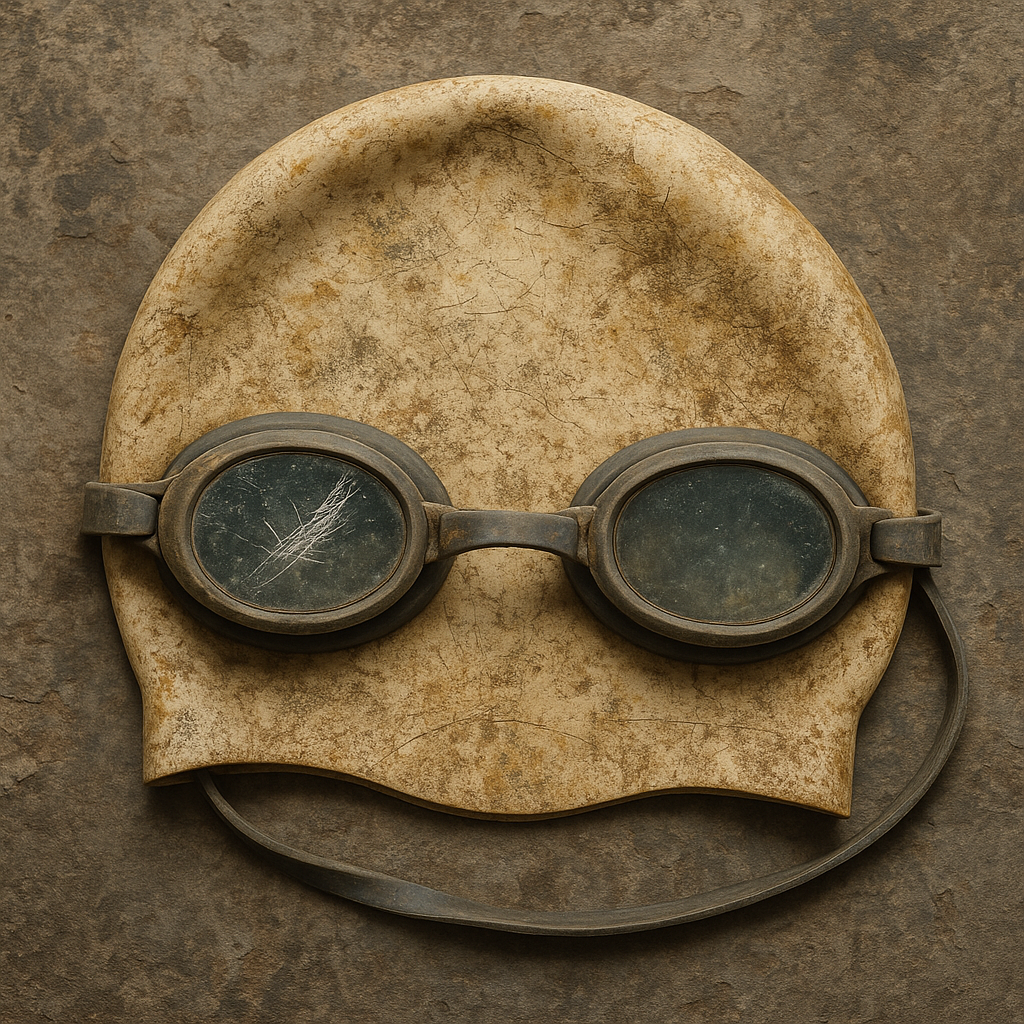
Karen Kennedy's quadruple Robben Island crossing: a 42-year-old's journey from gym to open water, defying age and ocean.
Karen Kennedy spent 17 years bravely swimming in the cold Atlantic, recording every tiny detail about how her body reacted. She started this amazing adventure when she was 42, wanting more from life than just sitting on the sofa. Her detailed notes became super helpful for other swimmers and even sea rescue teams in Cape Town. She even swam around Robben Island four times in a row, showing everyone what's possible when you truly love the ocean.
What is Karen Kennedy known for?
Karen Kennedy is known for her 17-year apprenticeship with the Atlantic, culminating in her swim around Robben Island. She meticulously documented her cold-water experiences, creating a valuable dataset on in-shore hypothermia curves. Her dedication has inspired others and provided crucial information for the Cape Town swimming community and sea-rescue units.
Get Cape Town news in your inbox
Stay updated with the latest stories from the Mother City.
The Spark in the Suburbs
Karen Kennedy’s date with the Robben Island quadruple did not start on the slipway at dawn on 14 May; it ignited in 2008 on a ordinary Tuesday while she stared at a half-stamped gym card in her kitchen. Forty-two, restless, she refused to let the next four decades unfold from a sofa. She could not yet label the craving that tugged her toward the ocean; she only knew that the heated pool where she counted slow laps felt like a fake visa to somewhere vaster.
The maiden trip to Big Bay was meant as a comedy shoot - friends ankle-deep, a ceremonial splash to bury a sedentary era. Instead she kept marching until the Atlantic sealed her shoulders like a new epidermis. The chill declared, bluntly, that she was still breathing. That silent dialogue between skin and sea became the syllabus she would follow for seventeen uninterrupted years.
Every pre-dawn outing rewrote her definition of possible. She swapped lunchtime sandwiches for yoghurt and rusks, logged kilometres on an old wrist counter, and learned to read the mountain’s cloud language the way farmers read wind in wheat. The pool grew too small for the person forming inside her skin; the ocean, indifferent and vast, became the only classroom that could grade her daily.
Becoming the Data-Set: Self-Experiment in Cold
South African cold-water lore swings between postcard turquoise and the Benguela’s invisible blades that drop the thermometer to 9 °C in sixty minutes. Generations of deckhands speak of “the claw,” the instant fingers freeze into a useless starfish around a rope. Kennedy opted to meet this threshold again and again, the way monks copy verses onto vellum.
After each swim she clipped a waterproof notebook to a tow-float, then dictated sensations into the voice-memo app while her hands still looked bleached. Twelve hundred entries later she owned the richest civilian spreadsheet on Cape Town’s in-shore hypothermia curves - stroke cadence above 54, wave angle that dislocates rhythm, the wind bearing that turns the final kilometre into a liquid treadmill. She stores it on Google Drive under the humble file name “Kitchen Notes,” because every session ends with her dripping on the same linoleum where the kettle now whistles like a patient coach.
The numbers did more than guide her; they armed the whole community. Coaches of university rowing crews, triathletes plotting the African Championship, and even the national sea-rescue unit have downloaded the log to sharpen their own risk models. In turning herself into instrument and archivist, Kennedy gave Cape Town a living map of its own moods.
Cracking the Washing-Machine: Anatomy of the Figure-Eight
The quadruple track is a sideways eight sewn across one of the planet’s busiest shipping alleys. Container ships surge to 14 knots, kicking up metre-high primary wakes that ricochet off dolomite cliffs and return as rebound chop swimmers call “the washing machine.” To notch four legs you must land on the same algae-slick slip where political prisoners once off-loaded limestone, walk twelve exposed metres, then recommit three more times.
Every restart trips the body’s thermostat. Blood that has retreated to the core for protection rushes back to the skin under gravity and movement, creating the deceptive glow physiologists label “after-drop vertigo.” Motor nerves fire normally for about four minutes before the deep tissues cool to the new baseline. Kennedy borrowed a seven-second drill from veteran Kieron Palframan: wade to mid-thigh, splash face and neck three times, empty the lungs, then dive before the brain can file an objection.
Her navigator plotted each segment like a chess opening: stay 40 m inside the outbound lane to dodge prop wash, then cut beneath the cliffs on the return where rebound waves are 30 % lower. The crew kept a metronomic horn blast every 300 strokes; if she drifted wide, two short blasts yanked her back. By leg four the wind swung south-east, stacking chop into pyramid peaks. She shortened her catch, lifted her hips, and recited the names of every woman in her training pod, turning the roster into a secular mantra against panic.
Feeds, Fur, Feathers and Bureaucracy
Ten hours in skins is a chemistry equation more than an eating contest. Kennedy’s support team, skippered by veteran Andre du Toit, hurled a marine-grade paint bucket on a retractable cord every thirty minutes. Inside waited 150 ml of lukewarm green rooibos brewed at 1.5× strength and laced with 9 g of raw fynbos honey - 34 kcal of fast carbohydrate plus the taste memory of childhood road trips. Stellenbosch researchers have flagged the flavonoid aspalathin for blunting cortisol during acute cold exposure; even if the dose is sub-therapeutic, the flavour anchor is pharmacology of its own.
Fauna provided unscripted hurdles. Great whites breach in False Bay, cowsharks cruise the kelp, but the surprise antagonist was a shy albatross that speared her yellow cap for a jellyfish, scratching the left lens and forcing her to finish with one eye shut. On the bureaucratic reef, three government bodies guard the island: prisons department, heritage museum, and ports authority. Nine months of paperwork nearly collapsed when a West African head of state commandeered the marine zone. The new slot landed on neap tide - less current, more cold. A clerk whose grandfather had been prisoner 74/74 scribbled on the final permit: “May the water speak your name more kindly than it spoke his number.”
Recovery began the instant her foot struck sand at Ons Huisie. Wrapped in wool, she spent thirty vertical minutes draining 7 litres of plasma from her legs while sipping a 42 °C blend of rooibos and full-cream milk. She then slept fourteen hours in a fisherman’s cottage heated only by a coal bucket, waking once to find her daughter’s note: “The world grew bigger because you stayed longer.”
Within days WhatsApp voice notes seeded a quiet revolution: a Soweto grandmother restarted her synchro club, Durban breast-cancer survivors scheduled a winter-solstice dip, a Cape Flats primary school crowdfunded a portable pool selling iced rooibos. No spreadsheet captures those ripples, yet they form an incoming tide of permission that may outlast any record etched in salt.
What is Karen Kennedy known for?
Karen Kennedy is known for her 17-year

Lerato Mokena is a Cape Town-based journalist who covers the city’s vibrant arts and culture scene with a focus on emerging voices from Khayelitsha to the Bo-Kaap. Born and raised at the foot of Table Mountain, she brings an insider’s eye to how creativity shapes—and is shaped by—South Africa’s complex social landscape. When she’s not chasing stories, Lerato can be found surfing Muizenberg’s gentle waves or debating politics over rooibos in her grandmother’s Gugulethu kitchen.
View all articles →