
Cape Town’s first MyCiTi electric bus debuts August
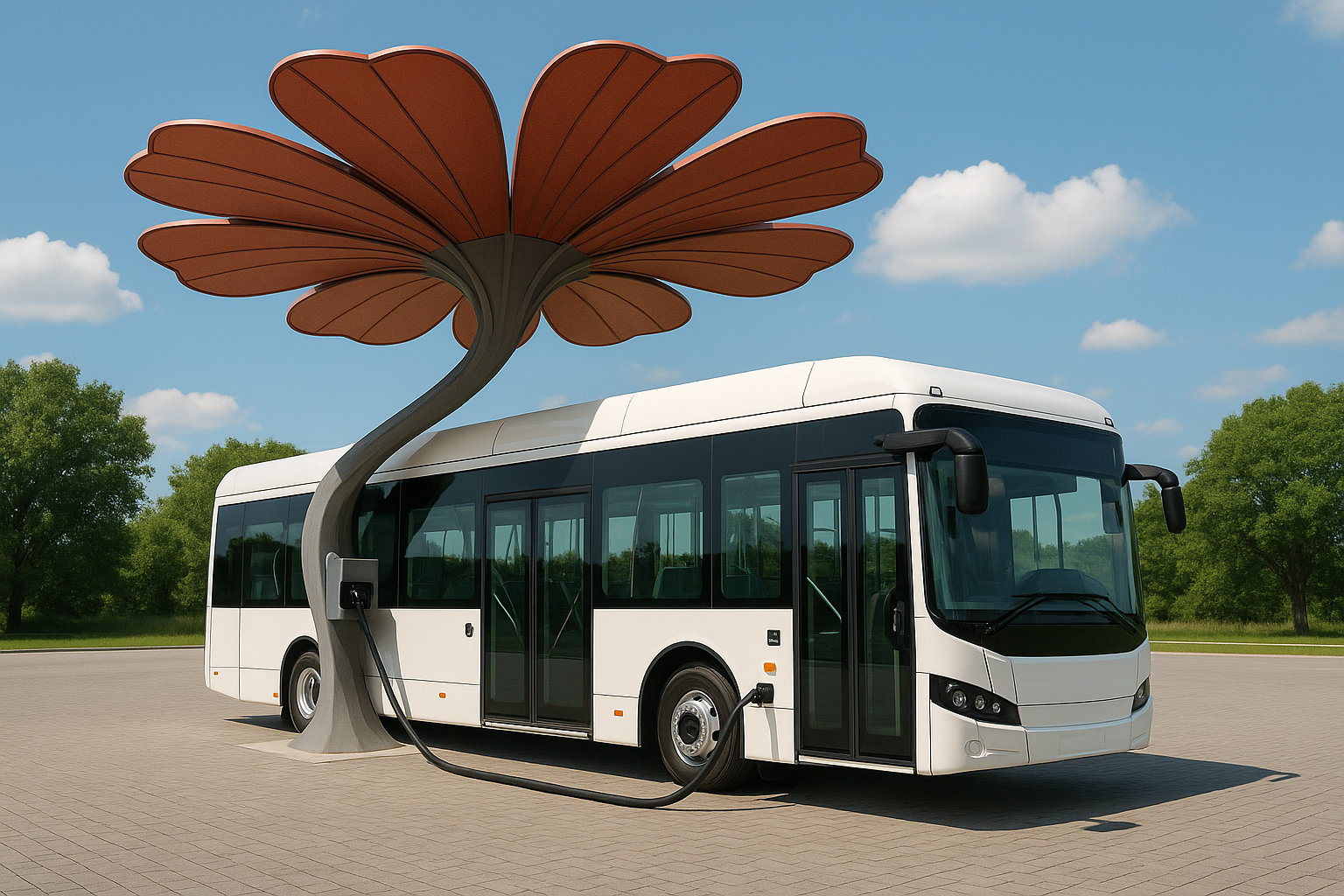
Cape Town electrifies its MyCiTi bus fleet with 30 new Volvo electric buses, piloting a green, independent public transport future.
Cape Town is revving up a quiet revolution, swapping noisy diesel buses for electric ones. Starting in 2026, 30 slick Volvo electric buses will hit the streets, powered partly by sunshine "wheeled" from distant solar farms. This pilot project aims to slash pollution and save big bucks, with plans to expand to 300 buses by 2030. These silent giants will even turn former taxi rivals into partners, shaping a greener future for African transit.
How is Cape Town integrating electric buses into its public transport system?
Cape Town is integrating electric buses by launching a pilot fleet of 30 Volvo BZRLE buses from August 2026 to June 2027. These buses will replace diesel vehicles, undergo rigorous performance monitoring, and utilize a unique power-wheeling system that incorporates solar energy. This initiative aims to reduce carbon emissions and explore significant operational savings.
Get Cape Town news in your inbox
Stay updated with the latest stories from the Mother City.
1. From Diesel Din to Electron Whisper: The Hardware Invasion
Cape Town’s commuter map is about to lose its diesel heartbeat.
Inside a Gauteng workshop, thirty 12-metre Volvo BZRLE shells - stainless ribs welded by Joburg hands - are rolling down a line that ends 1 700 km away at the Epping depot. Between August 2026 and June 2027 the convoys will slip down the N1 at night, one batch a month, until the last unit parks under a 6-metre steel protea that doubles as a 300 kW charger. By the time spring daisies bloom on the West Coast, bus number 001 will already be swallowing electrons instead of imported diesel.
The fleet total sounds trivial - thirty against 1 050 oil-burners - but spreadsheets inside the Transport Directorate treat the newcomers as a beachhead. If odometers, batteries and passengers behave for twelve months, a further 270 units will be ordered before 2030, scrubbing every high-frequency trunk south of the N2. Officials dodge the words “net-zero,” yet every hidden row in their models turns black once the 300-bus mark is hit, erasing roughly 60 000 tCO₂e each year - the same climate gift as planting 3.4 million indigenous trees.
Paranoia drives the pilot design. Each Volvo must shadow its diesel twin kilometre for kilometre: leave Atlantis at 05:07, queue at Dunoon by 05:29, crawl into the CBD at 06:02. Onboard loggers inhale 3-second battery snapshots and millisecond jolts from accelerometers; chase cars full of Volvo, city and UCT engineers tail like worried bloodhounds, sniffing for voltage hiccups or ankle twitches when regenerative coast replaces engine braking. A Bellville war-room dashboard glows red every time a crest at Hospital Bend meets 38 °C heat and 67 standing bodies.
2. Torture Chambers, Sun-Wheeling and the Ghost of Load-Shedding
To kill range anxiety before it sprouts, engineers built a climatic torture dome in a repurposed Maitland textile mill. One battery pack can be flash-frozen to –5 °C, then assaulted by 50 °C salt-laden gusts that mimic February’s berg winds. Cameras catch cells bulging like angry marshmallows; the instant internal resistance spikes and kilowatt-hours bleed away, sensors log the damage. Early runs predict a 24 % range haircut on the Khayelitsha–Wynberg climb with heater blazing and rain at 8 °C - enough to strand a bus short of Montague Gardens. Hence the art-piece protea charger at Wetton: 300 kW of panic insurance disguised as public sculpture.
Power supply is the banquet’s unwelcome ghost. Although headlines have forgotten stage-6, Eskom’s fleet still wobbles. Cape Town filed a little-known Section 34 exemption so it can “wheel” electrons from any generator in the Western Cape. The first pact, inked in March 2026, diverts 18 MW of Swellendam farmers’ midday solar 230 km to Epping. The buses gulp sunshine at noon, then trickle energy back into the 11 kV feeder at evening peak, shaving up to R3-million a year in demand charges. Stellenbosch University code decides every fifteen minutes whether the fleet is worth more as transport or as a virtual power station.
Maintenance culture - where African e-dreams typically suffocate - gets a Bogotá-flavoured reboot. A stand-alone “taller eléctrico” annex at Epping keeps epoxy-white floors so coolant drops scream for attention. Artisans swap diesel-grey overalls for blue, carry 1 000 V-insulated spanners and work under lifts with built-in cascade isolators that strangle high-voltage cables the instant wheels leave ground. Twenty-five existing mechanics are on paid study leave in Durban; their new HV badge hikes salaries 30 % and expires every eighteen months. Two trainees already quit, mourning the loss of diesel scent they equated with job security.
3. Sound of Silence, Smell of Savings, Taste of Politics
Commuters will register the switch before they understand it. Tyre noise at 40 km/h is 8 dB lower than diesel thunder, quiet enough to hear WhatsApp voice notes without cranking volume. That hush exposes every loose rivet in a 15-year-old shelter, so acoustic mats lie beneath composite floors, bank-rolled by Swedish climate finance. LED cabin lighting stays bright while doors open because the compressor no longer needs an idling engine; early secret shuttles recorded a 17 % jump in perceived safety, credited simply to brighter light.
Fares hover like an elephant in the room. Diesel costs the city R12.30 per kilometre in fuel alone; Swedish spreadsheets promise R3.80 in electrons. Add R1.20 for battery wear and R0.90 for specialised upkeep and the net saving is still 55 %. Treasury could bank the surplus or cut ticket prices; leaked memos show a 7 % fare reduction on trunk routes, enough to shave R1.50 off a Khayelitsha–Civic Centre ride - political gold dust in an election year. The failsafe being floated is a “green fare” that drops 10 % on days when ≥60 % of charger electrons come from renewables, then reverts via a push notification that brags about carbon and cash saved.
Manufacturing localisation is already accelerating. Busmark 2000 in Johannesburg hired 120 extra welders to stitch stainless spaceframes; each shell still detours 19 000 km to Sweden for paint and battery marriage because knock-down kits dodge 17 percentage points of import duty. By 2028 Busmark aims to build its own battery enclosures using Moroccan BYD cells, and a hidden Volvo clause grants the Gauteng firm perpetual rights to sell BZRLE derivatives anywhere south of the equator - potentially breaking Egypt’s grip on Africa’s e-bus market.
4. Batteries, Bullets and the Taxi Share-Table
Security engineers treat battery packs like bullion: four armoured crates, 3 mm ballistic steel, 410 kg each, slung between axles too low for angle-grinder cowboys. Cut the 12-volt loop and IoT sensors immobilise the bus within ninety seconds while pinging GPS to the control room. During future unrest, drivers are instructed to steer toward the nearest fire station - deemed safer than melting into side-streets that lacked cameras in the 2021 riots.
The 20 000-strong minibus taxi industry, which moves 68 % of the city, eyes the rollout like a lion watching hyenas. City negotiators offer a chair at the table: form a compliant cooperative and you can bid to operate electric feeders under the MyCiTi brand, with a revenue top-up if patronage drops below 70 % of target. Three Mitchells Plain associations already registered Ilitha e-Mobility; their drivers attend commercial-licence boot camps and will submit to Volvo’s zero-tolerance alcohol protocol. If the marriage survives, the next 270 buses could be majority taxi-run, turning former foes into lithium shareholders.
Climate math adds icing to the political cake. Once 300 buses replace diesel and Eskom’s grid hits 42 % renewables, the annual aerosol and carbon saving equals switching off 1 400 long-haul trucks. The World Bank has a USD 60 million standby facility waiting for three KPIs - 95 % uptime, <5 % battery fade, one female depot supervisor - while the African Development Bank haggles to buy carbon credits at USD 18 per tonne if Cape Town open-sources every dataset. Even the opera crowd wants a seat: Cape Town Opera proposes “silent journey” concerts where wireless headphones deliver a 35-minute aria synced to regenerative braking, the crescendo swelling each time energy flows back into the pack.
When the first driver - overalls blue, HV badge glinting - presses the accelerator on an August dawn, 240 kW will surge through twin motors that have never tasted fuel. Passengers may notice only the missing engine thrum, yet beneath their feet will throb 350 kWh of Swellendam sunlight, sent north along the grid to propel a city that no longer needs to ship quite so much of its future from the Middle East.
What is Cape Town's electric bus project?
Cape Town is launching a pilot project to integrate electric buses into its public transport system. This involves introducing 30 new Volvo BZRLE electric buses, starting in 2026, with plans to expand to 300 buses by 2030. The project aims to reduce pollution, save operational costs, and utilize renewable energy sources.
When will the electric buses be introduced and how many?
The first batch of 30 Volvo BZRLE electric buses will be rolled out between August 2026 and June 2027. If this pilot project is successful, an additional 270 units will be ordered before 2030, bringing the total fleet to 300 electric buses.
How will the electric buses be powered?
The buses will be powered by electricity, with a significant portion coming from renewable sources. Cape Town has secured a Section 34 exemption to "wheel" electrons from generators in the Western Cape, including 18 MW of solar energy from Swellendam farmers. This unique power-wheeling system allows the buses to primarily use solar power during the day and even feed energy back into the grid during peak evening hours, acting as a virtual power station.
What are the environmental benefits of this project?
The project aims to significantly reduce carbon emissions. Once 300 buses are in operation, it is estimated that approximately 60,000 tCO₂e will be erased each year, which is equivalent to the climate benefit of planting 3.4 million indigenous trees. This will also lead to a reduction in air pollution from diesel exhaust.
How will the electric buses impact commuters and the public?
Commuters will experience a quieter ride, as electric buses are 8 dB lower in noise than diesel buses. The project is also expected to lead to significant operational savings, which could potentially result in a 7% fare reduction on trunk routes, saving commuters money. There's even a proposal for a "green fare" that drops 10% when a high percentage of charger electrons come from renewables.
How is the project addressing socio-economic aspects, particularly the taxi industry?
The project is actively engaging the existing minibus taxi industry, which moves a large proportion of the city's commuters. The city is offering taxi associations the opportunity to form compliant cooperatives and bid to operate electric feeder routes under the MyCiTi brand. This initiative aims to transform former rivals into partners and lithium shareholders, fostering a more inclusive and greener future for African transit.

Tumi Makgale is a Cape Town-based journalist whose crisp reportage on the city’s booming green-tech scene is regularly featured in the Mail & Guardian and Daily Maverick. Born and raised in Gugulethu, she still spends Saturdays bargaining for snoek at the harbour with her gogo, a ritual that keeps her rooted in the rhythms of the Cape while she tracks the continent’s next clean-energy breakthroughs.
View all articles →