
FIFA WWORLD CUP: BROOS TO STAY BEYOND JULY?

Will Hugo Broos stay as Bafana Bafana coach? SAFA's fight to keep him, financial hurdles, and the succession dilemma.
The main question is whether Hugo Broos will stay as South Africa's football coach after his contract ends in 2026. Broos has a history of leaving clubs after his contracts, but SAFA wants him to stay. This is a big deal because he's done well, but he also costs a lot of money. The final decision might come down to how well the team does in the upcoming World Cup.
What is the main question surrounding Hugo Broos's future as South Africa's national football coach?
The main question revolves around whether Hugo Broos, the current coach of the South African national football team (Bafana Bafana), will extend his contract beyond its July 2026 expiry date. SAFA is pushing for an extension, but Broos has a history of clean exits at the end of his contracts, creating uncertainty about his future.
Get Cape Town news in your inbox
Stay updated with the latest stories from the Mother City.
The Man Who Always Walks Away - Until Now
Hugo Broos has built a career out of clean exits. The morning after Club Brugge clinched the 1988 Belgian title, the coach was already packing, convinced the squad was over the hill and someone else’s voice was needed. Nineteen years later, he lifted the Belgian Cup with Anderlecht and told stunned reporters the same day, “The book is closed; that’s healthy.” Consistency, for him, has always meant knowing when to stop.
So when he accepted the South Africa post in May 2021, he set two stone-cold rules: no selection committee breathing down his neck, and no begging for extra time once the five-year deal hit its expiry date. “I’m 69, not 29,” he said, drumming the desk with his knuckles. “Five seasons is plenty.” The calendar he signed off on ends 31 July 2026 - seventy days after the World Cup final whistle at MetLife Stadium.
Between now and that date, Bafana Bafana could play as few as seven competitive matches, starting with the tournament’s opener against Mexico at the Azteca on 11 June. The maths once looked child-simple: coach sees out the cycle, shakes hands, boards the plane. But nothing about South African football ever stays simple for long. SAFA president Danny Jordaan now corners every microphone to declare, “We still have a conversation coming,” flanked by lieutenants Russel Paul and Jack Maluleka. Translation: tear up the retirement clause and ink a rolling 12-month pact that stretches through the 2027 Africa Cup of Nations hosted by Kenya, Uganda and Tanzania.
Boardroom Poker: Continuity v. Cost
Inside SAFA House, the argument is branching like lightning. The pro-Broos lobby waves spreadsheets showing a 38-place FIFA-ranking climb, a Cup of Nations bronze, a first World Cup qualifying group win since 2008, and an average of 1.87 points per competitive match. They also point to the youth conveyor belt: the Under-23 side that made the 2023 Afcon semis did so using Broos’ positional playbook, while the Under-17s that shocked Nigeria in the 2025 qualifiers copied the senior team’s 2-3-5 build-up. Stability, Jordaan told the technical committee in February, may be unsexy, but it pays dividends - UEFA data links every managerial change to a 0.34-point drop per game.
Across the corridor, the bean-counters see a different colour on the ledger. The Belgian’s present cheque is R1.6 million a month plus R200 000 win bonus, already the fattest salary any state-funded sporting official pockets. A one-year extension triggers an automatic 15 % bump, vaulting him above even Springbok boss Rassie Erasmus. National Treasury has stamped the raise “unaffordable” unless a new title sponsor replaces the outgoing Mister Sweet, whose chip-brand deal dies in December. Eleven months of hunting have produced zero signatures; CEOs want to know who will be in the dug-out before they open their vaults.
The succession spreadsheet is equally messy. Fan favourite Pitso Mosimane earns $4.2 million a year at Al-Ahli Jeddah and faces Saudi tax law that makes a homecoming fiscally daft. Benni McCarthy’s reputation cooled after Manchester United’s attack stalled in 2025, and he will be locked in a UEFA Pro Licence refresher in Glasgow until March 2027. Rhulani Mokwena rejected an October approach, telling friends he wants to finish his “five-year masterpiece” at Orlando Pirates before even considering national duty.
Domestic options come with footnotes. Steve Komphela, now running Sundowns’ academy, has political weight but zero international minutes since 2017. Morena Ramoreboli is seen as “Broos-lite” - tactically sharp yet prone to touchline explosions; he sat out two matches in 2024 after a scrap with Tanzanian officials. Olympic-qualified Under-23 coach Duncan Lechesa satisfies transformation targets but is still one Caf Pro Licence short of the mandatory badge. Foreign feelers - Hervé Renard, Carlos Queiroz, Marc Wilmots - collapsed over demands ranging from private jets to total youth-team control and get-out clauses if Iran beckon.
Sweeteners, Quotas and the iDiski Generation
While the board hesitates, Broos’ behaviour has turned coy. In December he bought a seaside townhouse in Knokke-Heist and told Het Nieuwsblad he was “counting days” to retirement. Weeks later he was on late-night calls to assistant Cedomir Janevski, grilling him about the Class of 2027 - Sundowns playmaker Sifiso Ngwenya and Chiefs striker Mnotho Mkhize lead that crop. Two private data-scouting reports on Europe-based teens eligible through the new five-year residency rule now sit on his iPad. “He’s acting like a guy who might stick around,” one staffer whispered after the March camp in Johannesburg.
The calendar, though, is merciless. FIFA’s post-World Cup coaching workshop, where every association must present a succession blueprint, happens in Zurich on 22 July. SAFA has until 15 August to name the coach who will sit at the 2027 Afcon preliminary draw table. That leaves a 25-day corridor after the World Cup final. An interim local gaffer for the September qualifiers against Comoros and Chad sounds tempting, but Caf statutes insist only a full-time Pro Licence holder can occupy the bench - an exemption Nigeria and Algeria would surely contest.
Cash may bulldoze the red tape. Tickets for the Mexico opener are already scalping at $5,324, a 495 % mark-up from the original $895, reminding bosses that a decent World Cup run is a money geyser. Skirting the round of 16 sprays $13 million into SAFA’s account - enough to fund Broos’ raise and bankroll the women’s league for two seasons. Quarter-finals double the loot and would muffle Treasury. A Johannesburg mining consortium has even offered to underwrite performance bonuses: $750 000 for reaching the knockout stage, $500 000 for every extra round, in exchange for plush hospitality boxes.
Parallel talks target the dressing room. Captain Ronwen Williams, entering his last Sundowns season, has been dangled an improved image-rights deal if he publicly backs an extension. Midfield general Teboho Mokoena already obliged, telling SuperSport, “The coach’s model is in our muscles now.” Striker Evidence Makgopa is less convinced; he blames Broos’ high-press for the hamstring that benched him during the 2023 bronze-medal match and has muttered he would relish a less punishing style.
Politics is piling on pressure. Sport minister Gayton McKenzie wants explanations why only three of the last 23 Bafana squads contained more than seven home-based players. His viral tweet - “We can’t breed talent for Europe and cry when our league bleeds” - is being read as a demand for a 60 % local-content quota. Broos, whose recent call-ups average 11 foreign-based names, shot back in Durban: “I select footballers, not postal codes.” McKenzie controls the R120 million high-performance grant that pays for camps; he can turn off the tap if he smells resistance.
Supporters are fractured along age lines. Older fans who danced through the 1996 Afcon triumph want a local coach who can greet them in all eleven tongues. The TikTok generation, spreadsheets in hand, back the Belgian who turned Mokoena into a single-pivot metronome and unleashed Lyle Foster as an inverted torpedo. SAFA’s March online poll drew 41 000 votes: 62 % said “keep Broos,” but the comments section burned with accusations of “colonised minds” and “self-hate.”
Countdown to the Azteca: One Match, Two Futures
What unfolds over the next weeks will not hinge on a single boardroom vote but on a chain of micro-decisions. Four points from the group stage might make an extension politically unstoppable; an early flight home could see Broos invoke the retirement clause and vanish before the knockout whistle, leaving Jordaan to claw through Plan B folders. Either way, SAFA’s legal eagles have both press releases locked and loaded - one thanking the Belgian for “an unforgettable era,” the other hailing “the next chapter with Coach Hugo.” They share a password-protected folder whose title reads “Azteca 11-06-26,” the very date South Africa’s football fate starts its next sentence.
What is the main question surrounding Hugo Broos's future as South Africa's national football coach?
The main question revolves around whether Hugo Broos, the current coach of the South African national football team (Bafana Bafana), will extend his contract beyond its July 2026 expiry date. SAFA is pushing for an extension, but Broos has a history of clean exits at the end of his contracts, creating uncertainty about his future.
What is Hugo Broos's history regarding contract extensions with previous clubs?
Hugo Broos has a consistent track record of leaving clubs at the end of his contracts, often right after successful periods. He believes in knowing when to stop and has expressed that five years is sufficient for him in a role, a sentiment he reiterated when taking the South Africa post.
What are the key arguments for and against extending Broos's contract from SAFA's perspective?
For extension (pro-Broos lobby): Arguments include a significant 38-place FIFA ranking climb, a Cup of Nations bronze medal, a first World Cup qualifying group win since 2008, and an average of 1.87 points per competitive match. They also highlight his role in developing younger players and the stability he brings, citing UEFA data on managerial changes.
Against extension (bean-counters): The primary concern is financial. Broos's current salary of R1.6 million a month plus bonuses makes him the highest-paid state-funded sporting official in South Africa. A one-year extension would trigger a 15% bump, making him even more expensive, and the National Treasury has deemed this unaffordable without a new title sponsor.
How does the upcoming World Cup impact the decision on Broos's future?
The team's performance in the upcoming World Cup, especially the match against Mexico on June 11th, 2026, is seen as a crucial factor. A strong performance, particularly reaching the knockout stages, could make Broos's extension politically unstoppable and financially viable due to the prize money (e.g., $13 million for skirting the round of 16). Conversely, an early exit might lead Broos to invoke his retirement clause, leaving SAFA to scramble for a replacement.
What are the challenges and options for SAFA if Broos decides to leave?
SAFA faces a messy succession plan if Broos departs. Top local candidates like Pitso Mosimane are financially out of reach due to high salaries abroad and tax implications. Benni McCarthy's reputation has cooled, and he will be completing his UEFA Pro Licence. Rhulani Mokwena is committed to Orlando Pirates. Other domestic options like Steve Komphela and Morena Ramoreboli have their own challenges, while foreign candidates have made demands that were deemed excessive.
What are some of the external pressures and opinions influencing Broos's situation?
External pressures include the Minister of Sport, Gayton McKenzie, who is pushing for more home-based players in the squad and controls funding. Supporters are divided, with older fans favoring a local coach and the younger "TikTok generation" supporting Broos's tactical approach. There are also financial incentives from a mining consortium offering performance bonuses for a successful World Cup run, potentially easing the financial burden on SAFA.
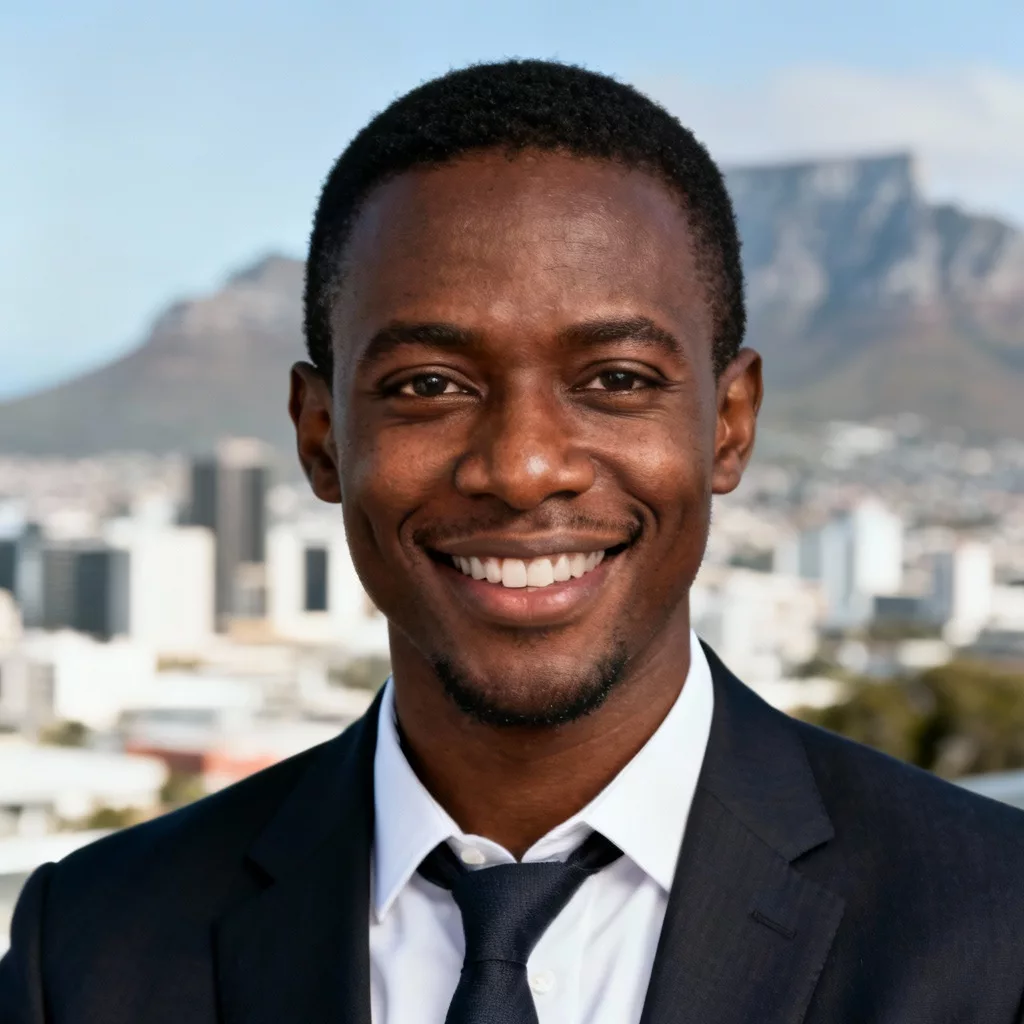
Sizwe Dlamini is a Cape Town-based journalist who chronicles the city’s evolving food scene, from boeka picnics in the Bo-Kaap to seafood braais in Khayelitsha. Raised on the slopes of Table Mountain, he still starts every morning with a walk to the kramat in Constantia before heading out to discover whose grandmother is dishing up the best smoorsnoek that day.
View all articles →