
Two Oceans Marathon 2026: Road closures ahead
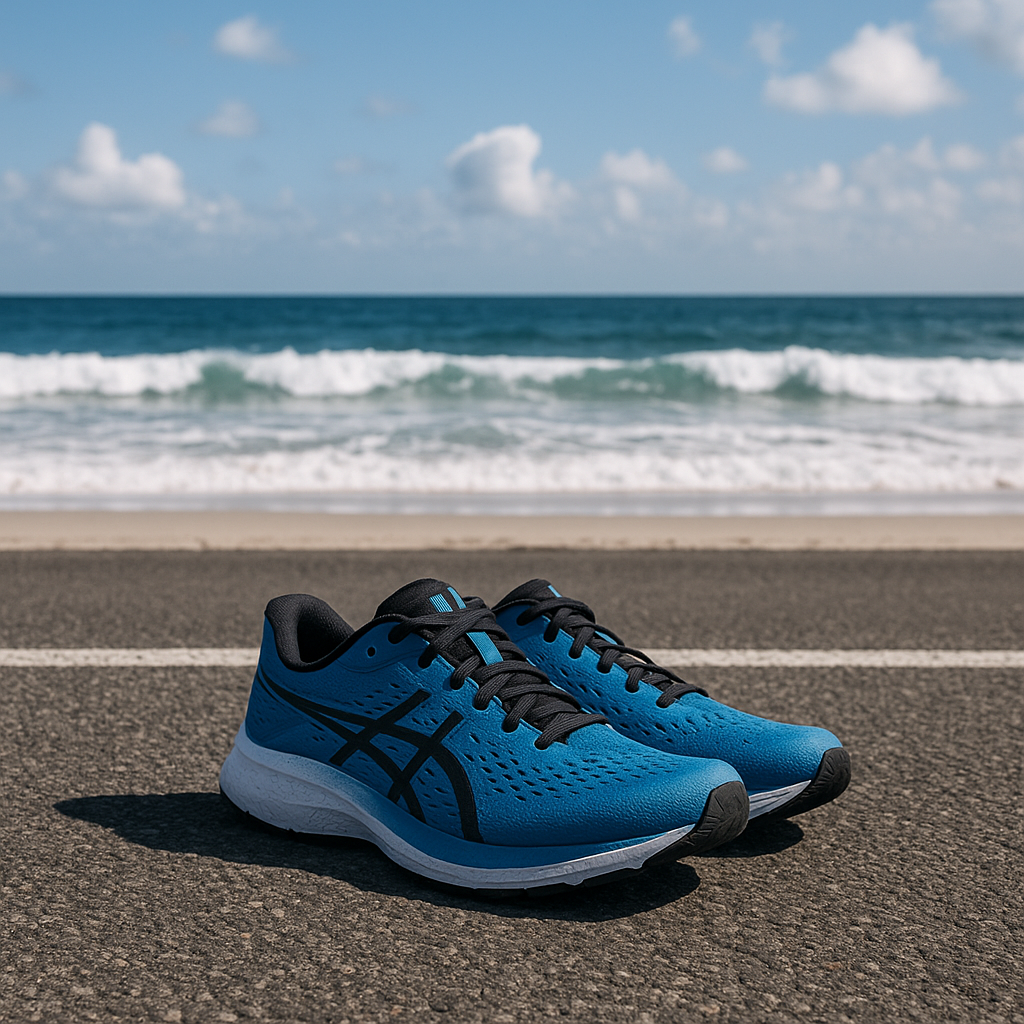
Experience the legendary Totalsports Two Oceans Marathon in Cape Town! A challenging ultra & half marathon with stunning views.
The Two Oceans Weekend in Cape Town is a super exciting event with two big races. The main one is a 56 km ultra-marathon that goes through amazing places like Cape Point. It's really tough but also very beautiful. There's also a half-marathon where people dress up and party in the streets! It's a huge community celebration with incredible views and lots of fun.
What is the Two Oceans Weekend event in Cape Town?
The Two Oceans Weekend in Cape Town is an annual event featuring two main races: a 56 km ultra-marathon and a half-marathon. The ultra-marathon, known for its scenic yet challenging route from the city bowl to Cape Point, attracts 26,000 runners, while the half-marathon transforms the suburbs into a festive street party. The event is celebrated for its community spirit, rigorous logistics, and stunning South African landscapes.
Get Cape Town news in your inbox
Stay updated with the latest stories from the Mother City.
1. The Dawn Invasion: How 26 000 Runners Become Citizens of a Temporary Nation
At 05:30 on 11 April 2026, Newlands Rugby Stadium will feel more like a border post than a sports ground. Twenty-six-thousand bibs flicker under phone flashlights as athletes clutch race envelopes they queued for at midnight - documents that grant entry to a republic where scenery and suffering trade at the same exchange rate. No standard marathon covers this distance; no trail ultra dishes out this much tar-and-cliff drama. The 53rd Totalsports Two Oceans journey is 56 km of asphalt that corkscrews from city bowl to Cape Point spine and back, flinging heartbreak and elation against the same Indian-Atlantic canvas.
The gun fires while most of the city still dreams. Within 200 m, the pack thins beneath bouncing headlights of support cars, sweat already lacquering foreheads. By the time sunrise spills over Table Mountain, leaders are threading Hout Bay’s coastal shelf six hundred metres above the ocean. Chapman’s Peak Drive - closed to traffic since 04:00 - morphs into a moving cathedral of footfall and measured breath. Residents don’t need the starter’s horn; they set alarms for the first TV helicopter. That rotor-thud is their kettle-whistle, cue to boil coffee, hoist fruit trays, and climb toward the road like Ethiopian market vendors balancing oranges on braids.
Every climb writes its own folklore. The 31 km crest near East Fort adds 220 vertical metres in three kilometres, forcing HR straps to scream and trembling hands to re-tie already-double knots. On camper roofs, unofficial commentators blast a playlist that swings from Puccini to gqom, yelling split times accurate to the second - accuracy born of 46 years of practice. Oom Piet van der Merwe, 78, chalks the 32 km lamppost annually since 1984; letters have shrunk, tradition has not. The sub-3:10 male and sub-3:30 female barriers hover like mirages ahead of the elites, while further back a yellow school bus christened “the bail coach” waits to collect anyone who hits the marathon mark after 09:40. Former Comrades finisher Cynthia drives, tissues on the dash and Miriam Makeba on the speakers, turning defeat into a soft-victory parade.
2. Valley of Doubt: Cut-offs, Cardiac Units and the New 32 °C Normal
Constantia Nek is only 42.2 km in, yet it feels like the gates of Mordor. Miss the 09:40 cut-off and a polite marshal waves you toward Cynthia’s bus, window glass fogged by resignation. Between kilometre 38 and 46 lies the “Valley of Doubt,” a barely perceptible rise that dupes the brain into catastrophising every twitch. Medical chief Dr Sarah “SOS” October stations fourteen ambulances, two cardiac rigs and a mobile ICU here after 2025 stats revealed three-quarters of drop-outs occur inside this psychic black hole. For 2026 she adds a bold experiment: briefcase-sized portable ECMO devices ready to oxygenate any runner whose core temperature rockets in 32 °C autumn heat that has become disturbingly routine.
Hydration logistics shifted after Day Zero 2018. Open troughs are gone; 250 ml sealed sachets, solar-made at a Darling plant, travel 60 000 strong to the route. Crews collect empties, squeeze them dry, and pelletise the plastic into picnic benches raffled to Khayelitsha schools. Elite tables sip from sugar-cane pulp cups that collapse after four swigs - an accidental pacing hack coaches now love. In the pre-dawn dark, 4 300 volunteers unwrap 38 000 energy bars, slice 22 000 oranges and flatten cola to kill the fizz that bloats altitude-battered stomachs. By 15:00 a reflection of that effort starts moving backwards: forty street-sweepers walk the 56 km in reverse, gathering twelve tons of waste. LDPE bar-wrap becomes school shoes in Bellville; orange skins feed herbs on the V&A Waterfront’s rooftop farm. Come Monday dawn, only a pale sports-drink ghost-line hints that a human river ever flowed.
Roads close in rings. Main Road shuts at 03:30, reopening only after the “sweeper bus” adorned with neon whales passes. Residents inside the cordon receive biometric tags borrowed from the 2023 Netball World Cup; complaints dropped 38 %. Ride-hailing detours add eleven minutes on average, yet city bylaws cap surge pricing for the weekend. MyCiTi buses are free to anyone flaunting a race number - runners, hacks, volunteers - turning stations into impromptu yoga studios.
3. Half-Marathon Carnival: From Bridal Gowns to Giraffe Selfies
Sunday trades agony for confetti. The Half Marathon hijacks the final 21 km of yesterday’s route, turning suburbs into a roving street party. Costumes range from avocado foam to full bridal regalia; one corporate squad pounds the tarmac in tailored suits to bank cash for night shelters. Children wave banners that read, “Run like Eskom just load-shed your Wi-Fi,” while grandfathers dish peppermints from pastel Tupperware. A four-hour cut-off invites selfies with a wandering giraffe from Giraffe House at kilometre 10 - proof that urgency is optional when the city parties.
The course mirrors the ultra’s glory lap: UCT rugby fields, Kirstenbosch perfume, Rhodes Drive tunnel of oaks, the stone pineapples of Schoenstatt Shrine, then the plunge to Newlands. 2 000 UCT students camp overnight for front-row rights in the finish funnel, armed with an app that translates commentary live into English, Afrikaans and isiXhosa. Cross the mat and a QR code on your bib auto-edits drone footage with roadside clips, ready for Instagram before calves finish cramping. Berlin-import engravers zap finish times onto the reverse of your medal while you collect drop bags - processing faster than any airport carousel.
For every finisher’s glow there is a mint-green “DNF” bracelet, the shade of spring leaves. It doubles as free entry to the Two Oceans Aquarium where orphaned medals hang in “The Hall of Attempt.” Folklore swears that at least twelve returnees pluck their neglected bling the next year after finally conquering the course, stitching new lore into an ever-growing tapestry.
4. Echoes After the Whales: Medals, Myths and the Next Dream
When the final gate at UCT clicks shut on Sunday night, timing mats have tallied 1.2 million kilometres - enough mileage to reach the moon and still lap Earth for sport. Medical tents collapse into trucks, barriers stack like life-size Lego, and commuters reclaim their arteries. Yet the race keeps breathing in quieter places. Tattooists in Observatory ink complimentary “56” glyphs to anyone sporting a valid ultra number. Kalk Bay cronuts arrive dusted in gold leaf, their ridges tracing the elevation map locals call the Nek-breaker. Even the Himalayan Dhaba truck migrates to Constantia Nek, pouring cardamom chai at 08:00 sharp, steam braiding with morning mist like prayer flags over runners who still believe.
A cleaner in Langa sports a volunteer shirt three sizes too large, already mapping training runs for next year. A retiree clutches a recycled-plastic bench born from yesterday’s sachets, recounting split-times to anyone who’ll listen. And somewhere between Chapman’s shadow and the Constantia vineyards, the road waits - striped, silent, and patient - for the next wave of passports to pain and beauty that only this city can stamp.
What is the Two Oceans Weekend event in Cape Town?
The Two Oceans Weekend in Cape Town is an annual event featuring two main races: a 56 km ultra-marathon and a half-marathon. The ultra-marathon, known for its scenic yet challenging route from the city bowl to Cape Point, attracts 26,000 runners, while the half-marathon transforms the suburbs into a festive street party. The event is celebrated for its community spirit, rigorous logistics, and stunning South African landscapes.
When is the 2026 Two Oceans Ultra-Marathon taking place and what is its distance?
The 2026 Two Oceans Ultra-Marathon will take place on April 11th, starting at 05:30. It is a 56 km ultra-marathon, a unique distance that is longer than a standard marathon and features a challenging route through scenic areas like Chapman's Peak Drive and Cape Point.
What are some of the unique features for runners during the ultra-marathon?
Runners experience a highly organized event with detailed logistics. This includes bib collection at Newlands Rugby Stadium, support cars, specific cut-off times at points like Constantia Nek (09:40 for the marathon mark), and a 'bail coach' for those who cannot continue. Hydration is provided via 250 ml sealed sachets, and medical support includes ambulances, cardiac rigs, and even portable ECMO devices for extreme heat conditions. Volunteers provide encouragement and unofficial commentators offer split times along the route.
How does the Two Oceans Weekend manage its environmental impact and waste?
The event prioritizes sustainability. Hydration sachets are collected, squeezed dry, and pelletized into picnic benches for schools. Elite runners use sugar-cane pulp cups. Forty street-sweepers walk the route in reverse after the race, collecting twelve tons of waste, with materials like LDPE bar-wraps being repurposed into school shoes and orange skins feeding urban farms.
What is the Half-Marathon like, and how does it differ from the ultra-marathon?
The Half-Marathon, held on Sunday, is described as a 'carnival' or 'roving street party.' It covers the final 21 km of the ultra's route. Unlike the ultra, it has a more relaxed atmosphere with participants often dressing in costumes. The four-hour cut-off allows for a more leisurely pace, including opportunities for selfies with unique attractions like a wandering giraffe. The finish line experience includes live commentary translation and instant drone footage for social media.
What happens after the races, and how does the event leave a lasting impact?
After the races, roads reopen and infrastructure is packed away, but the event's spirit continues. Tattooists offer complimentary '56' glyphs, local eateries create themed treats, and the Himalayan Dhaba truck relocates to Constantia Nek. Recycled materials from the race are repurposed into useful items for the community. Finishers' medals can be engraved, and 'DNF' bracelets grant free entry to the Two Oceans Aquarium, fostering a sense of community and encouraging future participation.

Sizwe Dlamini is a Cape Town-based journalist who chronicles the city’s evolving food scene, from boeka picnics in the Bo-Kaap to seafood braais in Khayelitsha. Raised on the slopes of Table Mountain, he still starts every morning with a walk to the kramat in Constantia before heading out to discover whose grandmother is dishing up the best smoorsnoek that day.
View all articles →