
ZUNGU REVEALS HE ALMOST JOINED ORLANDO PIRATES BEFORE BUYING AMAZULU
Discover Sandile Zungu's unexpected journey: from a missed Orlando Pirates opportunity to transforming AmaZulu FC into a formidable force.
Sandile Zungu, a man with a childhood dream, almost joined Orlando Pirates as second-in-command. But when that fell through, a delicious meal led him to AmaZulu FC, a struggling team he bought for R45 million. He dove deep into the club's history and community, listening to fans in shebeens and honoring King Cetshwayo's legacy. With clever moves like tripling Umbro's retainer and exorcising "ghost players," he turned the club around financially. AmaZulu ladies' football became a surprising profit engine, even out-earning the men's team. Now, with a R1-billion sports city planned and ambitious goals for 2026, Zungu is building a powerful empire, proving that history is lived, not just bought.
How did Sandile Zungu acquire AmaZulu Football Club?
Sandile Zungu acquired AmaZulu FC after an initial offer to join Orlando Pirates as second-in-command fell through. He was presented with the opportunity to buy AmaZulu, which was struggling in the NFD, for R45 million. Zungu's decision was influenced by a childhood dream of running a club.
Get Cape Town news in your inbox
Stay updated with the latest stories from the Mother City.
The Offer That Vanished and the Meal That Rewrote Destiny
Late in 2018 Irvin Khoza dialled Sandile Zungu’s number as clouds burst over Johannesburg. The Pirates supremo needed a second-in-command who could speak balance-sheet, township sociology and off-side trap in one breath. Zungu, the engineer who had rescued three heavy-engineering firms, fitted the portrait. He asked for three days, phoned his wife, ran the tax numbers and re-read a 1994 diary entry scribbled by a 16-year-old hostel boy: “One day I will run a club.” The page never mentioned which colours.
Before the follow-up memo could be signed, Khoza jetted to a CAF summit in Morocco. Minority investors inside Pirates began to mutter about the Transnet freight contracts already sitting on Zungu’s desk; sponsorship overlap, they warned, could stink. The file was shelved “until next quarter”. That quarter never arrived.
Shellfish changed everything. S’busiso Mseleku ordered peri-peri prawns at the Oyster Box and slid a napkin across to Zungu: AmaZulu, older than Barcelona, older than Manchester United, gasping for oxygen in the NFD – asking price R45 million, debts, disrepair and all. Zungu paced the promenade, thumbs dancing over Google, then messaged Khoza: “I’m chasing another football dream. Thank you for the belief.” The reply came faster than a counter-attack: “Go prosper.”
Drinking With Kings, Listening in Shebeens
Alone in eMakhosini, Zungu spent a night at King Cetshwayo’s memorial. He wanted, he says, to breathe the soil he was about to purchase. He learnt that Zulu railmen founded the club in 1932 after watching barefoot dock-workers juggle rag balls; the original crest carried the spear and ox-hide shield decades before Kaizer Chiefs made it fashionable.
Next came the informal tavern circuit: Clermont, KwaMashu, Umlazi. Over foam-capped umqombothi he asked patrons what they craved. The chorus never varied: hire local boys, win with flair, restore the black jersey trimmed with white shields. Every note went into an iPad. A cultural historian was commissioned to distil the chatter into a single sentence now framed in the change-room: “We do not chase points; we carry a nation’s heartbeat.”
The audit that followed was forensic. Ghost players invented to milk SAFA grants were exorcised, saving R3.2 million a year. Umbro’s retainer was tripled after Zungu guaranteed replica sales through 32 township spaza shops – a channel no club had previously legitimised. Fourteen months later the balance sheet showed its first operating surplus since 2006: R11.4 million in black ink.
Penalties, Profits and Princess Magogo Magic
May 2019, Moses Mabhida. One hundred and ninety-three minutes of playoff tension against Black Leopards boiled down to a last-gasp Bongi Ntuli header. Zungu, clad in an unbranded black shirt, waited until every student bussed in from Mangosuthu UT had sung itself hoarse before kneeling alone on the centre-circle. The image ruled South-African Twitter for 36 hours: the engineer planting gratitude into the turf.
Recruitment was re-engineered around five non-negotiables: six KZN-born starters, no long contracts for 28-plus players, conversational Zulu mandatory, data-house approval, plus a character stamp from a principal or priest. The formula mined rejects and turned them into assets: Sphelele Mkhulise, deemed too short by Pirates, is now a Bafana regular; Tercious Malepe learnt isiZulu in 90 days and now gives flawless post-match interviews.
Women’s football became a profit engine instead of a compliance tick. AmaZulu Ladies play at Princess Magogo on Sunday afternoons, preceded by an organic farmers’ market run by local women. Broadcast on SABC 1, the fixtures attract 3 800 average gate and a 64 % female TV audience, luring sponsors willing to pay 40 % above rack rate. In 2023 the side banked USD 400 000 from a CAF semi-final run – more than the men pocketed from the Nedbank Cup.
Shipping-Container War Rooms, Billion-Rand Cities and 2026 Mantras
Behind the old stand at Magogo a 12-metre container hums with cables and screens. UKZN data-science graduates feed second-half heat-maps to the bench within 90 seconds. The unit spotted that rival right-backs fade 23 % after the 75th minute; seven late goals swung four draws into wins and secured a top-eight cheque.
March 2021 saw the unveiling of King Cetshwayo Sports City on 62 city-owned hectares near the airport. The R1-billion precinct promises a 55 000-seat modular bowl, Radisson hotel balconies overlooking training pitches, altitude chambers, a fan lake and an indoor arena. DBSA debt, municipal grants and Zungu equity will stir the soil from September 2024, with 35 % of sub-contracts ring-fenced for rural youth-owned firms.
Laminated cards circulate through every corridor listing the 2026 targets: 25 000 average home crowd, 250 000 replica sales annually, a Champions League semi-final, a R1-billion asset base with debt below 45 % and a squad market value of R750 million. Quarterly bonuses are paid to anyone – cook, physio, striker – who helps nudge a dial. As sporting director Lunga Ncame jokes, “The kit-man can out-earn the left-back if the metrics move.”
The night before AmaZulu’s 2023 Carling Knock-out triumph over Pirates, Zungu slipped into the Bucs fan village incognito, ate pap and vleis on the curb and absorbed insults about “new-money arrogance.” He answered in isiZulu: “History is lived, not purchased.” Twenty-four hours later his side won on penalties. He applauded politely in the directors’ box, later reminding the squad: “When you conquer your first love, you bow, you don’t brag.”
How did Sandile Zungu acquire AmaZulu Football Club?
Sandile Zungu acquired AmaZulu FC for R45 million after an opportunity to become second-in-command at Orlando Pirates fell through. He was presented with the chance to buy AmaZulu, which was struggling in the NFD, and decided to pursue a childhood dream of running a club.
What was Sandile Zungu's initial approach to understanding AmaZulu FC and its community?
Zungu's initial approach was deeply immersive. He spent a night at King Cetshwayo’s memorial in eMakhosini to connect with the club's roots. He then visited informal taverns in Clermont, KwaMashu, and Umlazi, listening to fans' desires for local players, winning flair, and the restoration of the black jersey with white shields. This feedback was crucial in shaping his vision for the club.
How did Zungu financially turn AmaZulu FC around?
Zungu implemented several key strategies to improve AmaZulu's financial health. He conducted a forensic audit, exorcising "ghost players" which saved R3.2 million annually. He also tripled Umbro's retainer by guaranteeing replica sales through 32 township spaza shops, a novel approach that led to the club's first operating surplus of R11.4 million since 2006 within 14 months.
What role did women's football play in AmaZulu's resurgence?
AmaZulu Ladies' football became a significant profit engine for the club. Playing at Princess Magogo, their matches are preceded by organic farmers' markets and attract an average of 3,800 spectators and a 64% female TV audience on SABC 1. This success has drawn sponsors willing to pay 40% above the usual rates. In 2023, the ladies' team earned USD 400,000 from a CAF semi-final run, out-earning the men's team's Nedbank Cup winnings.
What are AmaZulu FC's future ambitions and development plans?
AmaZulu FC has ambitious plans for 2026, including a R1-billion King Cetshwayo Sports City. This precinct will feature a 55,000-seat modular stadium, a Radisson hotel, training pitches, altitude chambers, and a fan lake. The club also aims for a 25,000 average home crowd, 250,000 annual replica sales, a Champions League semi-final, a R1-billion asset base, and a squad market value of R750 million.
How does Sandile Zungu foster a winning culture and team spirit at AmaZulu?
Zungu cultivates a winning culture by implementing five non-negotiables for recruitment, including a focus on KZN-born starters and character stamps. He also uses data-science from a shipping-container 'war room' to inform tactical decisions. Quarterly bonuses are paid to all staff, from cooks to players, based on metrics. Zungu himself emphasizes humility, as shown by his incognito visit to a rival fan village before a match and his polite applause after a victory, reinforcing that "history is lived, not purchased." He constantly reminds the team to bow and not brag when conquering their first love.
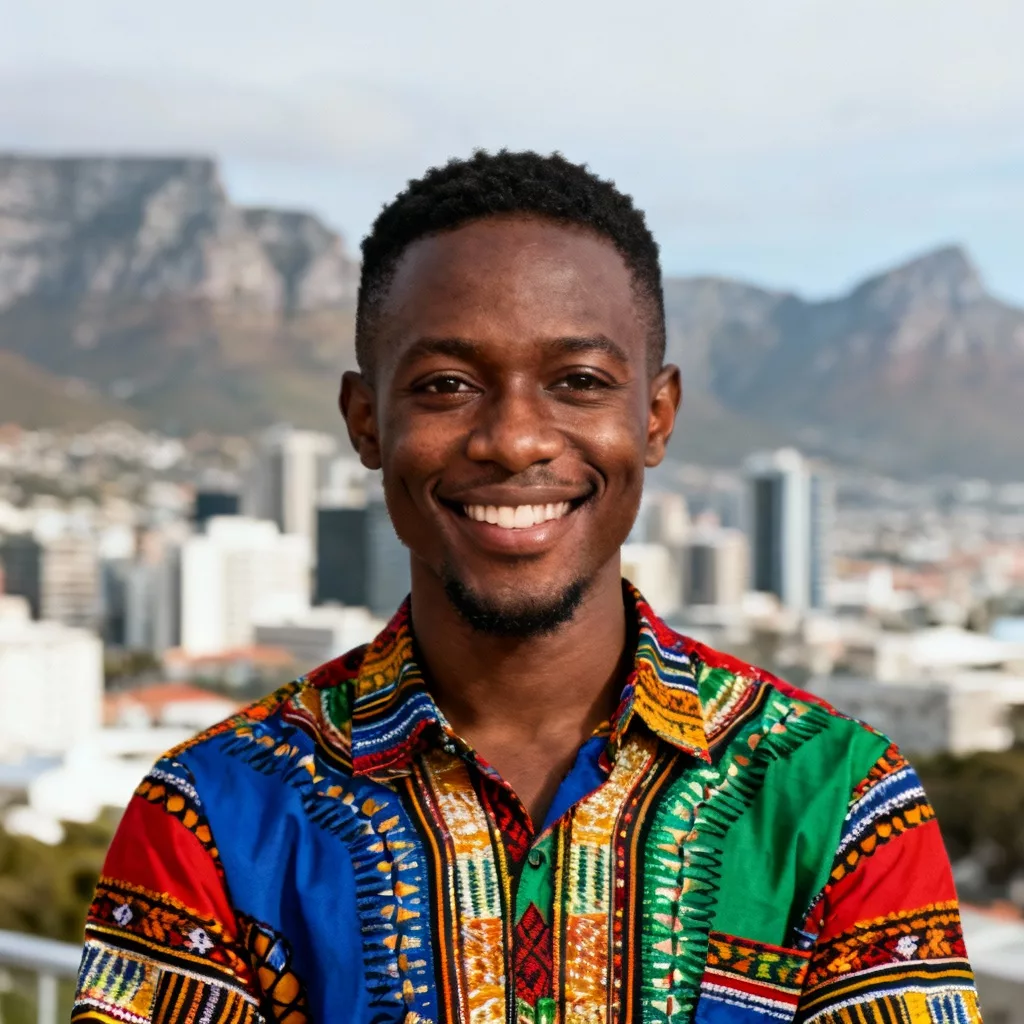
Thabo Sebata is a Cape Town-based journalist who covers the intersection of politics and daily life in South Africa's legislative capital, bringing grassroots perspectives to parliamentary reporting from his upbringing in Gugulethu. When not tracking policy shifts or community responses, he finds inspiration hiking Table Mountain's trails and documenting the city's evolving food scene in Khayelitsha and Bo-Kaap. His work has appeared in leading South African publications, where his distinctive voice captures the complexities of a nation rebuilding itself.
View all articles →