
Compassion meets action: How Little Hero Foundation gives dogs a better life
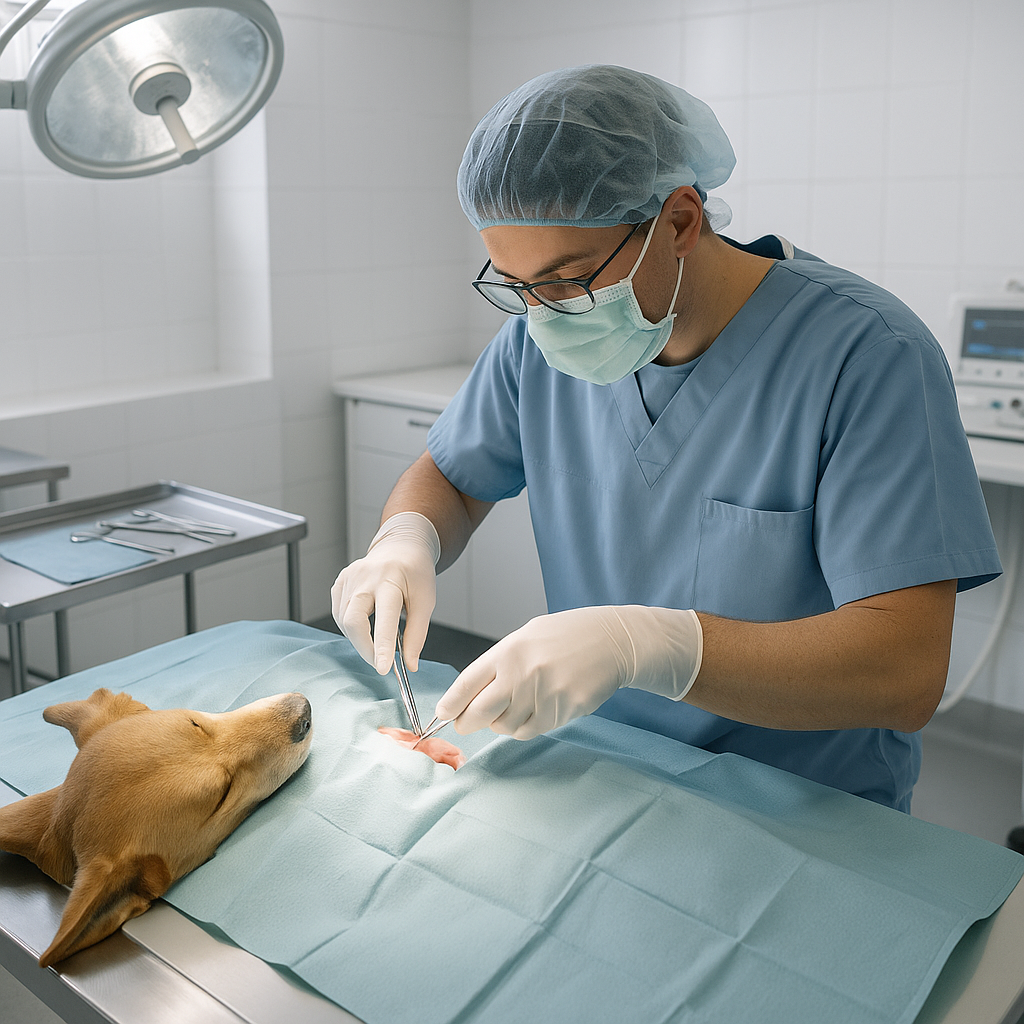
Little Hero Foundation tackles South Africa's stray dog overpopulation through innovative, data-driven sterilisation programs and community engagement.
Steri-Streets is changing South Africa's dog problem by sterilizing many female dogs. They use mobile clinics to reach areas that need it most. This stops more puppies from being born, which is cheaper and healthier for everyone. They even use cool tech like NFTs and satellite images to make a big difference, one dog at a time.
How does Steri-Streets address South Africa's stray dog problem?
Steri-Streets, run by the Little Hero Foundation, tackles South Africa's stray dog crisis by focusing on mass sterilization campaigns rather than traditional rescue. They deploy mobile clinics to high-need areas, sterilizing a significant percentage of female dogs to reduce population growth. This preventative approach is cost-effective, reduces pound intakes, and improves community health.
Get Cape Town news in your inbox
Stay updated with the latest stories from the Mother City.
1. The Country That Forgot to Count Its Dogs
From the grape-littered gutters of De Doorns to the salt-stripped shacks outside Gqeberha, the canine head-count is not a crisis headline; it is the daily wallpaper. Lactating bitches nose through nappy-filled supermarket bags, teenagers with raw mange weave between minibus taxis, and the faint thud of a week-old pup landing in a storm-drain replaces lullabies. Government spreadsheets ignore the species altogether, yet private shelters - fueled by Facebook drives and instant coffee - absorb roughly 300 000 surrenders a year. Four out of five never walk out again.
Into this arithmetic of despair steps a donor-advised non-profit that refuses to play the rescue lottery. Registered in 2021, the Little Hero Foundation owns zero kennels, employs no full-time veterinarians and never posts “urgent adoption” pleas. Instead it buys surgical minutes, rents soccer-club change rooms, and funds the marginal cost of a suture pack, a bag of Ringer’s, a stainless table - line items that, multiplied across thousands of patients, delete future casualties before they exist.
The country’s roaming-dog tally hovers around six million, the highest per-capita figure on the continent. No treasury coin is earmarked for control; municipalities simply impound and kill when complaints spike. Little Hero’s bet is that prevention is cheaper than disposal, and the invoice proves it: eleven US cents per human resident in any ward it targets - less than the price of a single litre of bottled water.
2. Sterilisation as Infrastructure, Not Charity
Veterinary epidemiologists call it “source control”: neuter seventy percent of the breeding segment and attrition outruns replacement even if every remaining intact animal mates. Little Hero’s entire playbook is engineered to hit that threshold street by street, then exit before the vacuum refills. The first district-level run, launched in March 2022, traded a three-month moratorium on pound killings in Ward 6 of Emalahleni for 1 200 funded surgeries - about seventy-two percent of the known female population. Six months later pound intakes had dropped thirty-eight percent; after a year, locals reported half the previous number of dogs hit by cars, a metric nobody had bothered to track before.
The mobile theatre that makes this possible arrives in three Toyota Avanzas. Aluminium scissor trusses, collapsible PVC walls, a negative-pressure anaesthetic scavenger built from a fish-tank pump, and a 2 kWh lithium battery power a high-speed autoclave off a cigarette-lighter inverter. Setup takes forty-two minutes; strike, twenty-eight. One veterinarian, two final-year students and three community health workers can finish fifty-five surgeries in a ten-hour shift on tables welded from reclaimed supermarket shelving. The record - seventy-three bitches in eleven sweltering hours at Kakamas - consumed 3.2 litres of isoflurane and 0.9 litres of lidocaine, every millilitre logged by an open-source Android app that pings Cape Town HQ when stocks dip below reorder level.
Data replaces tears. Each patient is photographed, micro-chipped, weighed and uploaded to a cloud dashboard that cross-references GPS co-ordinates, body-condition score, anthelmintic given and next vaccination due. Over time the map exposes illegal dumping sites, shebeens where intact males loiter, and schoolyards where lunchtime scraps anchor bitches to a territory. Running the numbers on pre-weaning mortality and average lifetime litter size, the algorithm credits the programme with 411 000 puppies that will never exist - equal to the combined annual intake of every SPCA branch in the country.
3. Collars, Cash and Culture: Making Prevention Pay Locally
Little Hero hires “steri-stewards” - usually unemployed women - to spot unowned dogs, coax them into corrugated-iron kennels and guard the recovery tent overnight. The stipend, ZAR 1 500 (≈ USD 80) a month, is deliberately set below minimum wage to avoid distorting local labour yet enough to buy a monthly food parcel for a family of four. In Pella, on the Orange River, stewards fenced a communal vegetable garden with their first three payments; the produce is now sold to the same clinic team when it returns, creating a closed economic loop that frames sterilisation as a neighbourhood revenue day rather than charity invasion.
Males pose a trickier sell. Owners often keep them as guard dogs and fear castration will sap vigilance. The foundation counters with a “guard-dog guarantee”: the animal comes home next day minus testicles plus a certificate citing a University of Pretoria study that castrated males roam thirty-seven percent less because they no longer chase females. A reflective collar and one-year mortality replacement sweeten the deal, pushing male uptake from eighteen to forty-six percent in target wards and neutering 3 800 dogs in the last financial year.
Schools become amplifiers. On “vet days” principals report full attendance because children crowd the field to watch surgery through the transparent tent walls. One Grade-6 class in Carnarvon produced English essays titled “If I were the anaesthetist,” complete with crayon diagrams of endotracheal tubes. The curriculum folds into four laminated posters that fit inside a pizza box: the oestrous cycle in emojis, a blueprint for a pallet kennel costing under ZAR 120, a body-condition score strip, and a QR code to a zero-rated tele-vet site. Spaza-shop owners earn ZAR 5 airtime for every photo proving the poster is still on their wall after three months; retention stands at seventy-one percent, higher than any metropolitan billboard campaign.
4. Beyond the Scalpel: Rabies, Blockchains and Satellite Proof
South Africa’s northern provinces lost twenty-seven people to rabies in 2021-22, the worst spike since 1984. Because every sterilisation clinic doubles as a vaccination node, Little Hero’s footprint now predicts outbreak corridors before the state notices. A machine-learning model trained on 42 000 records forecasts a 0.7 % spill-over risk into Greater Hermanus within 180 days; the foundation has pre-positioned 1 000 vaccine doses with local welfare groups, enough to ring-fence any index case within a 5 km radius. Cost per averted human exposure: USD 12, versus USD 280 for post-exposure prophylaxis at a public hospital.
Cash flow gets creative. Traditional donors fatigue quickly; sterilisation is unsexy. The foundation therefore minted 10 000 algorithm-generated “Hero Hound” NFTs; each token costs 0.05 ETH (≈ USD 100) and triggers a smart-contract pledge to sterilise one female within thirty days. Buyers receive a 3D GIF of their digital dog wearing the same colour collar placed on the real patient. The first batch sold out in eleven hours, raising USD 1 million - enough to fund an entire year of clinics in three districts. A 2.5 % secondary-market royalty feeds an endowment wallet that will keep paying for surgeries even if crypto hype collapses, turning speculative pixels into a perpetual sterilisation annuity.
From orbit, the story checks out. Stellenbosch University analysts compared satellite images before and after clinic blitzes and measured a thirty-four percent decline in freshly dug rubbish pits - proxy puppy-dumping sites - within a 2 km radius. Infrared picks up a corresponding rise in rectangular tin roofs, implying more home-made kennels and dogs kept as property rather than waste. The unborn litters recede into an oblivion that looks, to the casual eye, like nothing at all - exactly the point. One incision, one chip, one collar at a time, the quiet calculus continues, rewriting South Africa’s dog surplus into a narrative that never has to be rescued because it was never born.
How does Steri-Streets address South Africa's stray dog problem?
Steri-Streets, run by the Little Hero Foundation, tackles South Africa's stray dog crisis by focusing on mass sterilization campaigns rather than traditional rescue. They deploy mobile clinics to high-need areas, sterilizing a significant percentage of female dogs to reduce population growth. This preventative approach is cost-effective, reduces pound intakes, and improves community health.
What is the scope of South Africa's stray dog problem?
South Africa faces a significant stray dog problem with an estimated six million roaming dogs, the highest per-capita figure on the continent. This leads to approximately 300,000 dog surrenders to private shelters annually, with four out of five never leaving. Traditional government efforts are minimal, often resorting to impounding and culling when complaints rise.
How does Steri-Streets utilize mobile clinics and technology?
Steri-Streets operates mobile clinics using three Toyota Avanzas, equipped with portable surgical setups including aluminum scissor trusses, PVC walls, and a negative-pressure anesthetic scavenger. They use custom-built tables from reclaimed supermarket shelving. Each patient is microchipped, weighed, and uploaded to a cloud dashboard to track data like GPS coordinates and vaccination schedules. They also use NFTs for fundraising and satellite imagery to measure their impact, detecting a decline in puppy-dumping sites.
How does Steri-Streets engage local communities?
Steri-Streets hires "steri-stewards," typically unemployed women, to identify unowned dogs and help with recovery. These stewards receive a stipend, which has been used for community projects like vegetable gardens. They also engage schools through "vet days" where children can observe surgeries, and utilize local spaza shops to display educational posters about dog care, offering airtime as an incentive for retention.
How does Steri-Streets fund its operations and ensure sustainability?
Recognizing that traditional donor funding for sterilization can be challenging, Steri-Streets has innovatively minted 10,000 "Hero Hound" NFTs. Each NFT purchase funds a sterilization, and buyers receive a digital representation of their dog. The initial sale raised $1 million, and a 2.5% secondary market royalty feeds an endowment, aiming to create a perpetual funding source for surgeries.
What additional public health benefits does Steri-Streets provide?
Beyond sterilization, Steri-Streets clinics double as vaccination nodes, particularly crucial for rabies prevention. Their data helps predict outbreak corridors, allowing them to pre-position vaccine doses in at-risk areas. This proactive approach significantly reduces the cost of averting human exposure to rabies compared to post-exposure prophylaxis.

Thabo Sebata is a Cape Town-based journalist who covers the intersection of politics and daily life in South Africa's legislative capital, bringing grassroots perspectives to parliamentary reporting from his upbringing in Gugulethu. When not tracking policy shifts or community responses, he finds inspiration hiking Table Mountain's trails and documenting the city's evolving food scene in Khayelitsha and Bo-Kaap. His work has appeared in leading South African publications, where his distinctive voice captures the complexities of a nation rebuilding itself.
View all articles →