
Khayelitsha shelter hits full capacity and urgently calls for adoptions
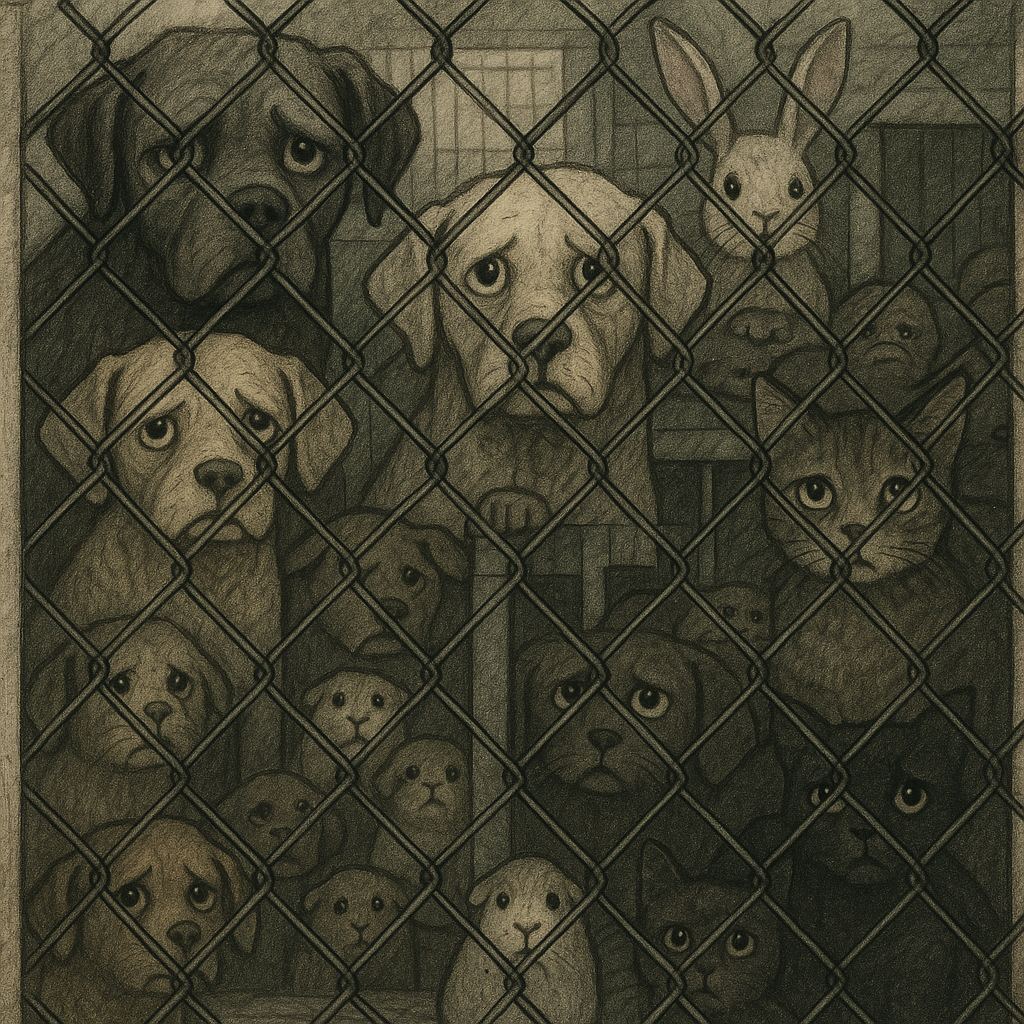
Mdzananda, Khayelitsha's only animal clinic and shelter, is struggling with perpetual overflow, housing far more animals than its capacity. With a rapidly growing population and a stagnant facility size, the clinic faces overwhelming demand. They are implementing innovative solutions such as social services and fostering to cope, but the challenge remains immense.
Mdzananda Animal Clinic in Khayelitsha is bursting at the seams, crammed with more animals than it can hold. They face a constant wave of abandoned pets due to money troubles, and their building hasn't grown even though the town has. With limited funds, they desperately need more space, money for vital surgeries, and help to keep saving lives.
What challenges does Mdzananda Animal Clinic face in Khayelitsha?
Mdzananda Animal Clinic in Khayelitsha faces severe overcrowding with limited space, a constant influx of abandoned animals due to economic hardship, and insufficient funding for critical services like sterilisation and outreach. They rely on emergency measures, foster networks, and donor support to keep operating.
Get Cape Town news in your inbox
Stay updated with the latest stories from the Mother City.
1. A Building That Shrinks Every Year
Walk through Mdzananda’s front gate at sunrise and you step into a space that physics forgot. The architects drew thirty kennels; this morning thirty-four dogs wag, bark and compete for the same square of cement. Twenty cat condos were planned, yet fifteen adults share air with seventeen bottle-fed babies whose eyes have not yet turned amber. Metal doors roll shut at seven sharp, and each clang delivers a new wave of lives: a spaniel dragged by a sobbing boy, a tabby queen inside a takeaway box, five mud-soaked pups fished from a storm drain. Cage cards ran out months ago, so sticky tape carries hurried magic-marker prayers: “Hope”, “Lucky”, “Sorry”. After dark, the theatre that should host sterilisation drills becomes a nursery for kittens; recovering dogs pace the car park because the exercise yard is wall-to-wall crates.
The yard has not expanded since the city donated the plot in 1996, even though Khayelitsha’s human population has doubled since 2011. Informal homes lean against the fence like curious toddlers, fingers poking through to stroke any whisker within reach. On an ordinary Monday the outpatient bench is fully booked before the receptionist finishes her coffee; by lunch the queue curls around the red shipping-container that doubles as a dispensary. In 2019 a viral Facebook campaign raised R1.3 million to add a shelter wing meant as a short-stay motel. Instead it turned into a traffic jam. Marcelle du Plessis, who heads fundraising and communications, still quotes the consultants: “They told us thirty kennels would handle peak season.” Nobody inserted a pandemic, mass job losses or backyard breeders stuck with unsellable tail-docked puppies into the forecast.
Inside, staff play a never-ending round of Tetris. A medium-sized mongrel gets tied to a consulting table so the drip line above can also serve as a leash; kittens occupy vertical real estate on top of older cats. The isolation unit - built for contagious cases - currently shelters three pregnant bitches simply because it has a closing door. Lindokuhle Jack, senior vet nurse, confesses that the crunch of tyres on gravel makes everyone flinch. “We must accept every patient, yet we can’t warp the walls.” A spreadsheet glows red from March onward: “floor space only” is the new normal.
2. Surrender Season: A Calendar Written in Heartbreak
Drop-offs follow South Africa’s economic pulse. January brings evicted tenants who leave pets behind because the next landlord demands a pet deposit. May delivers retrenched building labourers when winter rains freeze construction sites. October sees the “plastic” puppies - bred for some Instagram colour fad - once the likes dry up, the litter lands at the gate. The common villain is taxi fare: R22 from distant D-section buys a loaf of bread, so owners arrive owing neighbours for the ride. When staff warn that the kennels are shut, animals simply appear in boxes after dark; paying another fare to the next closest shelter is fantasy.
Prevention programmes try to interrupt the conveyor belt. Every Friday a four-person team installs 1.6-metre diamond-mesh fences around properties whose dogs break loose onto the R300 highway. Donor rands buy the material - R480 per six-metre roll - and 212 fences have gone up so far. Trauma admissions dropped 18 % last year, proof that cheap wire can outrun speed bumps. A tin-food bank runs parallel: supermarkets offload dented cans, unemployed owners collect a week’s supply after showing an ID and retrenchment letter. One can feeds a terrier for two days; 4,200 disappeared from the shelves between January and April alone.
Yet fencing and food only dent the curve. Mobile sterilisation drives park outside M-section church halls every second Wednesday, yet 600 animals remain on the waiting list. “Thirty surgeries in a day feels heroic until you remember 140 000 township pets,” shrugs head veterinarian Dr Zama Mnguni. The clinic’s ambulance, a converted Toyota Quantum, racks up 1 300 trips annually for parvo outbreaks, snakebites and taxi collisions. Fuel burns R18 000 every month, a bill covered by two British philanthropists who once watched a puppy seizure on the waiting-room floor and went home haunted.
3. Plan E: Midnight Convoys and Bottle-Fed Hope
When every last tile hosts a paw, management activates “Plan E” - Emergency Emigration. A WhatsApp thread titled “Night Moves” fires up at nine o’clock: Who has a hatchback free for seven kittens at dawn? Volunteers ferry felines to partner shelters in Hout Bay, Somerset West or Stellenbosch, where students sometimes adopt a “study buddy”. Since New Year, 89 animals have left on the N2, but kennels refill within hours. The receiving rescues feel the same squeeze: AWS Helderberg reports a 40 % spike after wine farms shed labour, and DARG has started rationing tins.
Neonates create the most fragile maths. Infants require 3 ml of milk replacer every 120 minutes, so a staff member or foster parent sleeps beside a DIY humidicrib made from a heat-pad and an ice-cream tub. The shelter’s foster army - teachers, taxi drivers, one gogo who swears by warmed rooibos - currently harbours 54 kittens. Contracts commit every foster to return the babies for sterilisation at four months; 92 % honour the deal. Still, burnout spreads. Last month a primary-school teacher brought two litters back early after her principal warned that tardiness would cost her job. A staff psychologist - paid for by a European NGO - runs debrief circles where grown men weep over kittens lost at 03:00.
Adoption days feel like graduation. Every Friday at three the old school-bell outside the clinic clangs, the signal for “Happy Hour”. Suturing stops, tablets are counted later while staff clap the new family into the forecourt. A Polaroid joins 312 others on the “Forever Homes” wall, portraits that still look like a puddle on scorching tar. Fees are deliberately set at R950 for dogs and R750 for cats - sterilisation, microchip and first vaccines included. Du Plessis keeps a till slip in her purse: a man counted out R5 pieces because that was literally all he had, yet he refused to leave without investing in a life.
4. What It Will Take to Keep the Doors Open
The maths is brutal: more animals, identical square metres, donor money that fluctuates with foreign exchange. The team has identified three lifelines. First, land: the city council has been asked to donate an adjacent erf so kennels can grow sideways instead of skyward. Bureaucratic replies trickle in slower than parvo spreads. Second, corporate steri-sponsors: a single mobile theatre costs R1.2 million, yet it could add 2 000 surgeries annually if parked in different blocks each week. Finally, paid veterinary outreach: wealthier Northern-suburb clinics could contract Mdzananda for weekend sterilisation blitzes, injecting cash and skills back into the township.
Readers can tilt the scale without flying to Cape Town. Monthly debit orders of R100 buy 12 metres of fence, a bag of kitten milk or half a tank of ambulance fuel. Shares on social media convert into adoptions; a single retweet once placed 23 cats in new homes within 48 hours. Locals can sign up as overnight kitten foster, weekend dog-walker or Plan-E driver - mileage reimbursed in petrol vouchers and eternal gratitude.
Until the numbers change, the red spreadsheet stays crimson and the school-bell keeps ringing. Every clap on a Friday, every fence post planted, every R5 coin counted out is a tiny vote for the idea that compassion can outrun geometry. The animals keep arriving at 07:00, but so do the people who refuse to let Khayelitsha’s only animal clinic close its gate on hope.
What is Mdzananda Animal Clinic and where is it located?
Mdzananda Animal Clinic is an animal welfare organisation located in Khayelitsha, South Africa. It serves as the only animal clinic in the township, providing veterinary care, shelter, and a lifeline for abandoned and neglected animals in the community.
What are the main challenges Mdzananda Animal Clinic is currently facing?
Mdzananda Animal Clinic is grappling with severe overcrowding, a constant influx of abandoned pets due to economic hardship in the community, and an urgent need for more space. They also face financial constraints which limit their ability to perform vital surgeries, conduct widespread sterilisation campaigns, and maintain their outreach programs.
How does economic hardship in Khayelitsha impact the clinic's operations?
Economic hardship directly leads to a surge in abandoned animals, as owners facing financial difficulties are often forced to surrender their pets or cannot afford veterinary care. This results in the clinic being overwhelmed with animals needing shelter and medical attention. The clinic also notes patterns of surrender linked to evictions, job losses, and the inability of owners to afford basic necessities like pet food or transport to the clinic.
What specific services does Mdzananda Animal Clinic provide to the community?
The clinic offers a range of services including emergency veterinary care for sick and injured animals, shelter for abandoned pets, and adoption services to find them new homes. They also run prevention programs such as installing fences to keep dogs safe, a tin-food bank for pet owners in need, and mobile sterilisation drives to help control the pet population.
How does Mdzananda cope with the overwhelming number of animals?
When the clinic reaches maximum capacity, they activate "Plan E" (Emergency Emigration), which involves volunteers transporting animals to partner shelters in other areas like Hout Bay and Stellenbosch. They also rely heavily on a network of foster parents, particularly for vulnerable neonates, who provide temporary homes and care. Staff members often make extraordinary efforts, such as using available spaces like the surgical theatre as nurseries.
How can individuals help support Mdzananda Animal Clinic?
Individuals can support Mdzananda by contributing financially through monthly debit orders, which can fund essential items like fencing, kitten milk, or ambulance fuel. Sharing their social media posts can lead to adoptions. Locals can also volunteer their time as overnight kitten fosters, weekend dog-walkers, or drivers for "Plan E." The clinic is also seeking corporate sponsors for mobile sterilisation units and partnerships with wealthier clinics for paid veterinary outreach to inject funds and skills into the township.

Sizwe Dlamini is a Cape Town-based journalist who chronicles the city’s evolving food scene, from boeka picnics in the Bo-Kaap to seafood braais in Khayelitsha. Raised on the slopes of Table Mountain, he still starts every morning with a walk to the kramat in Constantia before heading out to discover whose grandmother is dishing up the best smoorsnoek that day.
View all articles →