
Rally for big cats: FOUR PAWS calls for action on World Wildlife Day
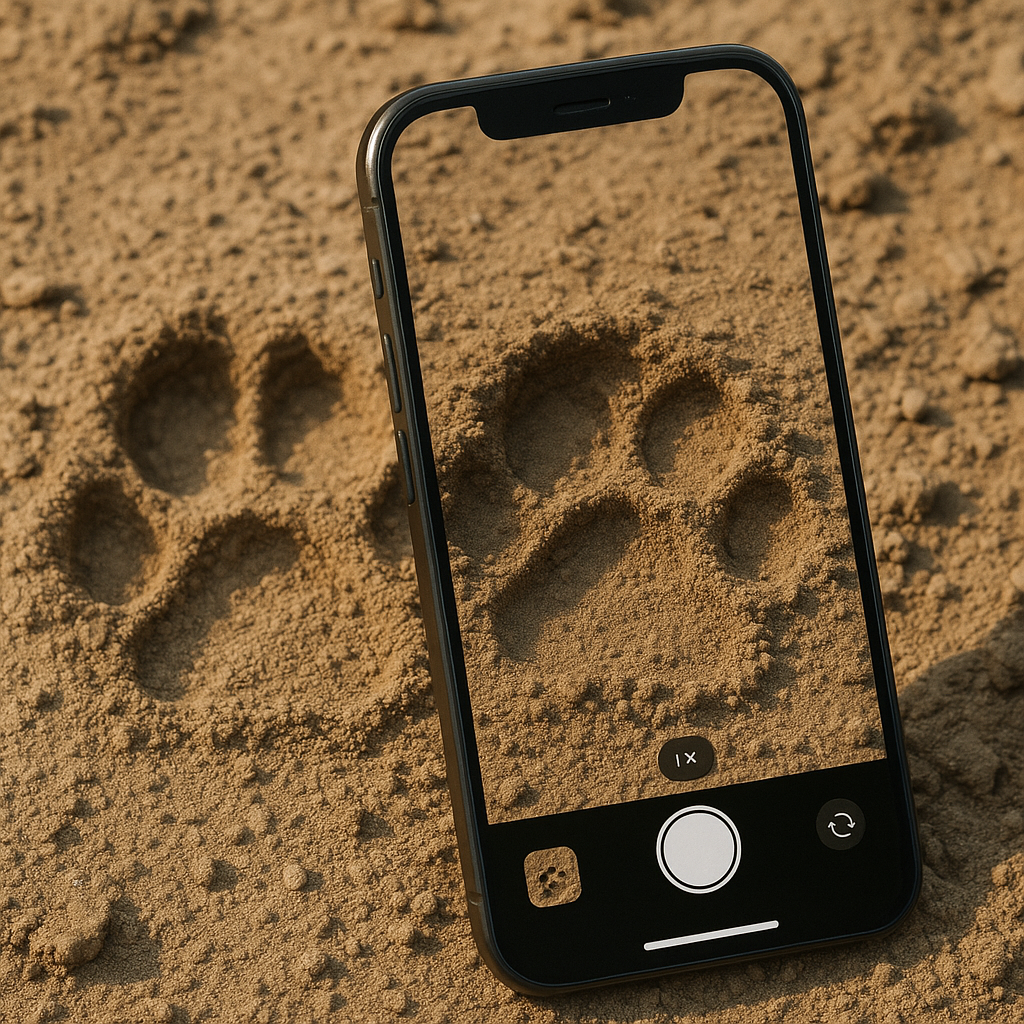
South Africans turn smartphones into weapons against big-cat exploitation. #BreakTheViciousCycle reports captive breeding, illegal trade & poor welfare.
South Africans are using their phones to fight the cruel big-cat trade. By taking pictures and videos of lions, tigers, or cheetahs being used as props or for breeding, they report illegal activities to a campaign called #BreakTheViciousCycle. These uploads help stop fake sanctuaries and influence new laws. Every photo can lead to canceled permits or stronger rules, making ordinary people powerful agents of change against animal abuse.
How are ordinary South Africans helping to combat the big-cat trade?
South Africans are weaponizing their phones by pointing, shooting, and uploading anything showing lions, tigers, or cheetahs used as photo props or breeding stock. This campaign, #BreakTheViciousCycle, allows citizens to report fake sanctuaries and illegal activities, turning every uploaded pixel into a potential tool to revoke permits or influence legislation like the Big Cat Amendment Bill.
Get Cape Town news in your inbox
Stay updated with the latest stories from the Mother City.
1. SOS from the Savannah: A Birthday Call That Sounds Like a Cry for Help
World Wildlife Day, 3 March, usually feels like a planetary birthday party, but this year the music coming out of Mzansi is closer to a klaxon. From the Western Cape’s fynbos folds to Limpopo’s thorn-scrub, citizens are being asked to weaponise the same device they use for selfies, food-delivery apps and midnight doom-scrolling. The brief: point, shoot and upload anything that shows lions, tigers or cheetahs being used as living photo props, breeding machines or skeleton-on-demand stock. The hashtag is #BreakTheViciousCycle, the gearbox is global animal-welfare group FOUR PAWS, and the hunting ground is every fake sanctuary, roadside “safari” lodge or glossy brochure that still dares to promise “walk-with-lions conservation”.
The ask is radical because the scale is staggering. South Africa quietly ships out more live big cats and body parts than any other country, yet most travellers never realise their R50 cuddly-cub fee is the first coin in a multi-million-rand laundering machine. The new campaign turns that business model on its head: instead of paying to pet, you get to report - and every pixel you upload can yank a permit, freeze an export container or add a paragraph to the long-delayed Big Cat Amendment Bill.
2. The Hidden Factory: From Cute Cub to Commodity in 18 Months
The Instagram moment lasts three seconds; the suffering is engineered for years. New-borns are yanked from their mothers within 48 hours so the females rocket back into heat, cranking out three litters in two years - triple the wild norm. While the infants still smell like butterscotch they are parcelled out to petting pens. At four months the cubs are too boisterous for selfies, so they graduate to “lion walks”. Once the cats hit 18 kg and can crack a femur, the leash is swapped for a cage.
From there the options are equally profitable and uniformly grim: a canned hunt where a bow or bullet secures a bargain-basement trophy for US$25 000; a vat of “tiger wine” brewed from skeletons that fetch another R200 000 in Southeast Asia; or a lifetime of churning out more cubs whose destiny is already inked into the ledger. One animal, multiple turnovers, zero escape: that is the “vicious” in the cycle.
3. The Legal Laundry Basket That Keeps the Wheels Spinning
How do you hide 2 400 lion skeletons, 1 300 live tigers and crates of claws in plain sight? You rebrand them as “farm animals”. An apartheid-era law, the Animal Improvement Act, still lists captive-bred lions as a domestic species, which shoves them outside the sturdy fence of the National Environmental Management Biodiversity Act. Farmers tick a box marked “eco-education”, claim tax breaks, and continue boiling cats into tonic wine.
Meanwhile South Africa’s last 3 000 truly wild lions watch their numbers melt away under habitat loss, snaring and poachers who use intel from captive facilities to locate free-roaming prides. The gap between legal and legitimate has become a motorway, and the traffic is one-way: bones, bottles and bullets out, money in.
4. The Pocket-Sized Sleuth: Turning Tourists Into Special Agents
February 2024 saw the quiet launch of a web portal that looks boring on purpose. One map pin, one species dropdown, one upload button - done. No data-harvesting questionnaires, no compulsory sign-ups. Within a day a trilingual team checks the GPS against a heat-map of known abuse hotspots. Plausible entries land on three desks at once: provincial conservation, the NSPCA Wildlife Unit and the parliamentary drafters who finally have live ammunition for the Big Cat Amendment Bill.
Early stats are telling: 68 % of uploads come from the so-called “lion triangle” of North West, Free State and Limpopo, and traffic spikes on Sunday evenings just as weekend visitors speed home, stomachs churning at what they witnessed. Users can stay anonymous or track their complaint through a QR code that doubles as a court summons if they are willing to testify. The revolution, it turns out, fits into 90 seconds and 12 megabytes.
5. Anatomy of a Micro-Victory: Five Tigers, One Frozen Permit
Take the tip that pinged in at 11:42 AM on 27 February. The GPS placed the user 26 km east of Alldays, Limpopo. The clip showed five adolescent tigers pacing bald dirt, ribs on display, one face sliced open. Six hours later an NSPCA inspector served a warning under the Animals Protection Act, the farm’s export permit for four skeletons was iced, and the owner’s name hit a Vietnamese customs watch-list. The cats are still on the property, but every future crate they load now faces a forensic microscope instead of a rubber stamp. One video, one frozen permit, one bottleneck multiplied by hundreds: that is how castles fall, byte by byte.
6. Science, Satellites and the Sepedi Word for “King”
Raw footage is only half the story. FOUR PAWS feeds every verified report into a blender of satellite imagery, CITES trade stats and TikTok hashtags. Algorithms built with the University of Cape Town flag repeat offenders whose farm names mutate but whose coordinates stay stubbornly identical. Isotope tests on intercepted bones can now prove captive versus wild origin, turning a paperwork fine into a trafficking charge that carries a minimum five-year sentence.
Culture is being hacked too. In village halls across Giyani and Mokopane, traditional healers publicly denounce lion claws as muti, reminding audiences that the Sepedi word “tau” means both lion and royal steward - killing one invites drought. A bonfire of 30 kg of confiscated claws, live-streamed as #TauIsNotMuti, chips away at local legitimacy while Asian demand campaigns tackle the far end of the supply chain.
7. The Last Mile: Volunteers, Laws and Your Retirement Fund
Gap-year students who pay US$1 800 to “raise orphaned cubs” are discovering their labour bankrolls the very cruelty they flew in to stop. A five-paw welfare index - no breeding, no touching, no trade, verifiable release, open books - now decides which sanctuaries may advertise on major European student sites. Facilities scoring under 3/5 are digitally starved of free labour, and the money tap begins to dry.
Parliament is feeling the draught too. Draft regulations published in December 2023 threaten a moratorium on new breeding permits and the birth of an independent Big Cat Welfare Authority. Industry lawyers cry “property confiscation” and will have their day in court in September 2024. FOUR PAWS’ citizen dossier has been accepted as amicus curiae - legal speak for “judge, you need to read this.”
What about the rest of us? Run any wildlife venue through the Big Cat Scan Telegram bot before you book. Ask your municipality to follow Cape Town, Drakenstein and uMhlathuze in declaring itself a cruelty-free tourism zone. Shift your retirement annuity to a fund that divested R400 million from captive-entertainment stock. Refuse to geotag cub-petting posts; instead drop the reporting portal link in the comments and watch the algorithm bury the operator.
South Africa’s experiment is already echoing in Vietnam, Thailand and EU trade corridors where NGOs demand a global white-list: only accredited sanctuaries may move big-cat parts. Whether you are a taxi driver in Rustenburg, a teacher in Rotterdam or a TikTok teen in Toronto, the choreography is identical - see something, film something, submit something. The vicious cycle breaks one upload at a time, and the next digital paw-print could be yours.
[{"question": "### How are ordinary South Africans helping to combat the big-cat trade?", "answer": "Ordinary South Africans are actively fighting the big-cat trade by using their mobile phones to document and report illegal activities. They take pictures and videos of lions, tigers, or cheetahs being exploited as photo props, for breeding, or in fake sanctuaries. These uploads are then submitted to the #BreakTheViciousCycle campaign, which helps to expose and stop illicit operations. Every photo or video submitted can directly lead to the cancellation of permits, influence new legislation like the Big Cat Amendment Bill, or trigger investigations by authorities, making citizens powerful agents of change against animal abuse."}, {"question": "### What is the #BreakTheViciousCycle campaign?", "answer": "The #BreakTheViciousCycle campaign is an initiative spearheaded by the global animal-welfare group FOUR PAWS, empowering ordinary citizens in South Africa to report big-cat exploitation. It encourages people to 'weaponize' their phones by capturing and uploading evidence of lions, tigers, or cheetahs being used as photo props, breeding machines, or for their body parts. This campaign targets fake sanctuaries, roadside lodges, and any facilities promoting 'walk-with-lions conservation' that are actually part of the cruel trade. The goal is to use citizen-submitted evidence to revoke permits, freeze exports, and support the passage of stronger animal protection laws."}, {"question": "### How does the big-cat trade operate, and why is it so profitable?", "answer": "The big-cat trade operates on a cycle of exploitation designed for maximum profit. Newborn cubs are often removed from their mothers shortly after birth to force the females to breed more frequently, producing up to three litters in two years. These cubs are then used for tourist interactions like 'cub petting' and 'lion walks.' Once they become too large or dangerous, they are either sold for canned hunts, where they are easily killed for trophies, or their skeletons and body parts are traded for products like 'tiger wine' in Southeast Asia. This 'one animal, multiple turnovers' model ensures continuous profit, making it a multi-million-rand industry where every stage of a big cat's life is monetized, leading to immense suffering."}, {"question": "### What legal loopholes enable the big-cat trade in South Africa?", "answer": "A significant legal loophole enabling the big-cat trade in South Africa is the apartheid-era Animal Improvement Act. This outdated law still classifies captive-bred lions as 'farm animals' or a domestic species, which places them outside the more stringent protections of the National Environmental Management Biodiversity Act. This classification allows breeders and operators to claim tax breaks under the guise of 'eco-education' and facilitates the commercial breeding and trade of big cats and their body parts, including for products like tonic wine, effectively legitimizing a cruel industry in plain sight."}, {"question": "### How can tourists and individuals contribute to stopping the big-cat trade?", "answer": "Tourists and individuals can significantly contribute to stopping the big-cat trade by being informed and taking action. Before visiting any wildlife venue, use tools like the Big Cat Scan Telegram bot to check their ethical standing. Engage with local authorities and encourage your municipality to declare itself a cruelty-free tourism zone, similar to Cape Town, Drakenstein, and uMhlathuze. Consider shifting investments, such as retirement annuities, away from funds that support captive-entertainment stock. Crucially, refrain from geotagging cub-petting posts on social media; instead, share the reporting portal link in the comments to help bury exploitative content. The global mantra is: see something, film something, submit something."}, {"question": "### What impact do the submitted photos and videos have?", "answer": "The photos and videos submitted by citizens have a profound impact, serving as crucial evidence that drives tangible change. These submissions are immediately routed to provincial conservation authorities, the NSPCA Wildlife Unit, and parliamentary drafters. This 'live ammunition' strengthens the case for the Big Cat Amendment Bill and informs policy-makers. For instance, a single tip led to an export permit for four skeletons being frozen and the owner being added to an international customs watch-list. Furthermore, these reports are integrated with satellite imagery and CITES trade data, allowing algorithms to identify repeat offenders and providing forensic evidence for trafficking charges. This citizen-led data is vital for enforcing existing laws and pushing for new, stronger regulations."}]

Lerato Mokena is a Cape Town-based journalist who covers the city’s vibrant arts and culture scene with a focus on emerging voices from Khayelitsha to the Bo-Kaap. Born and raised at the foot of Table Mountain, she brings an insider’s eye to how creativity shapes—and is shaped by—South Africa’s complex social landscape. When she’s not chasing stories, Lerato can be found surfing Muizenberg’s gentle waves or debating politics over rooibos in her grandmother’s Gugulethu kitchen.
View all articles →