
The classic silhouette of Table Mountain
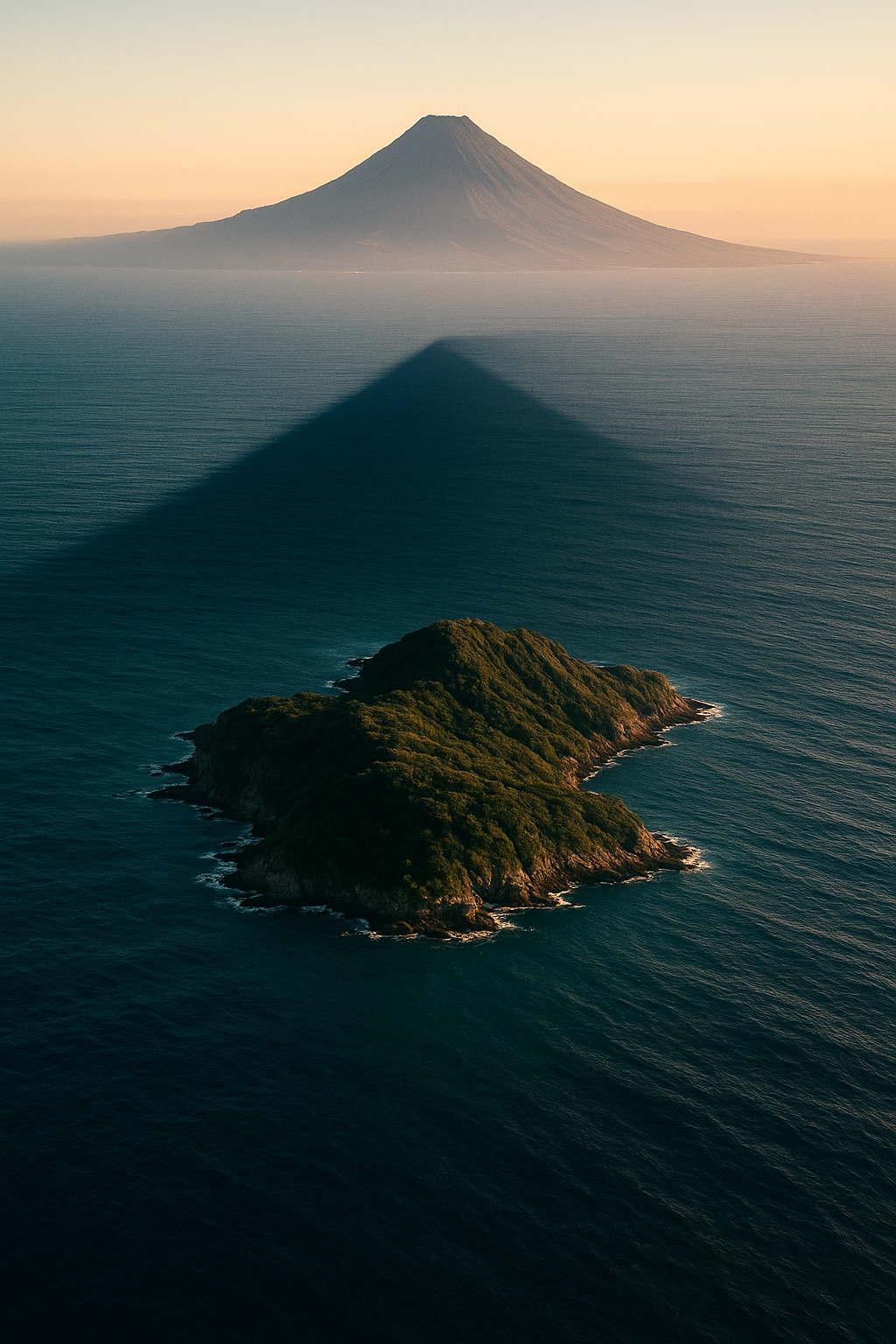
Explore Africa's ever-changing horizons, from Table Mountain to the Karoo. Discover 15 vertigo-inducing places where the land is still being born.
South Africa is a land of incredible natural wonders that are always changing. Imagine the iconic Table Mountain glowing at sunset, or the huge Blyde River Canyon steaming after a storm. You can also see the majestic Drakensberg mountains covered in snow, or the powerful Knysna Heads where two oceans meet. From roaring waterfalls to ancient ice, these landscapes are alive and waiting to amaze you.
What are some unique natural landscapes to experience in South Africa?
South Africa offers diverse, dynamic landscapes, from the iconic Table Mountain and the dramatic Blyde River Canyon to the majestic Drakensberg Amphitheatre and the serene Knysna Heads. Other notable experiences include the Augrabies Falls, the Wild Coast's Poort, and the ancient glacial pavements of Magaliesberg, showcasing the country's breathtaking natural beauty.
Get Cape Town news in your inbox
Stay updated with the latest stories from the Mother City.
- A field guide to fourteen living landscapes at the tip of Africa*
1. City, Canyon & Copper Sea
Table Mountain at civil twilight
Arrive forty minutes before the final cable car descends. Sodium lamps ignite in rolling waves: first Green Point, then the Foreshore, finally the distant Cape Flats flickering like damp shale. From the north-western lip you can count the queue of tankers waiting for port entry; their navigation lamps sketch a second, slower constellation inches above the black Atlantic. The mountain’s own silhouette - an angular wedge almost five kilometres long - glides across the water and swallows Robben Island, a private eclipse most locals have never clocked.
Blyde River Canyon after a Highveld storm
Move to the eastern rim once the downpour passes. Walls exhale steam in twisting cords and the chasm becomes a single gigantic lung. Peer over and you confront an inverted firmament: Blyde Dam lies so motionless that billowing cumuli continue inside it, complete with phantom storm-heads that never manage to thunder. Facing you, the Three Rondavels shift hue every half-minute - terracotta, bruised plum, wet charcoal - while the sun plays hide-and-seek with drifting moisture bands.
Chapman’s Peak at 06:12
Beat the tour buses: pedal from Hout Bay in pre-dawn darkness. Halfway along the cantilevered road you unclip, straddle the cold basalt parapet, and wait. The sun fractures the horizon exactly between Sentinel and Karbonkelberg; for nine heartbeats the entire ocean surface becomes hammered copper. Below, phalanxes of Cape cormorants treat the half-tunnel as a wind funnel, the way city cyclists ride a bus slipstream. Wingtips flick brine onto blacktop, sketching fleeting calligraphy that dries before the first rental car appears.
2. Cliffs, Dunes & Salted Air
Drakensberg Amphitheatre dusted with snow
Hike to Tugela Gorge before sunrise when a surprise frosting has fallen. The kilometre-high cliff face behaves like a photographic flash: every crease and dyke leaps into over-exposure, basalt hexagons looking fresh from a waffle iron. Listen for the instant the waterfall freezes mid-plunge; the soundtrack switches from steady roar to a sequence of glassy pops. Scramble another two hundred metres up the hidden gully behind the lookout, lie on your back, and watch the berg wind tear cloud shreds into stratospheric surf.
Knysna Heads at spring tide
Buy a takeaway coffee from the bait-shop, climb the café service ladder to the roof. When the tidal shove forces the lagoon through the narrow Heads, water piles on itself and forms a standing wave locals call the “Knysna Conveyor.” From your perch two ecosystems collide: tannin-dark lagoon - so black it reflects like polished mahogany - meets the turquoise Indian Ocean in a scalloped front that refuses to blend. Dolphins surf the turmoil like a treadmill, holding twenty-knot station while facing the current.
De Hoop’s dune slip-face at dusk
Ascend the final crest in socks - bare skin will sizzle on quartz grains still hoarding daytime heat. The dune falls away at thirty-four degrees, a sand cliff taller than a six-storey block. Sit until the thermal reverses: cooling air drains downslope like an invisible waterfall, ferrying the scent of wild rosemary and whale breath from the bay. Stretch your arms forward and the slope hijacks your inner ear, convincing you you’re paragliding while your body stays motionless.
3. Rivers, Tides & Ancient Ice
Augrabies Falls in black-water season
Visit late summer when the Orange River runs the colour of liquid mud. Polished granite gorge walls, darkened by sun-baked algae, make the torrent appear to vanish into a crack in the planet rather than cascade over it. Plant yourself on the southern platform beyond spray-range. A pair of Verreaux’s eagles uses the updraft as a lift shaft, rising hundreds of metres without a wingbeat. When one bird stoops, it slices past so close you hear silk-ripping air over its primaries.
Wild Coast’s Poort above Lambasi Bay
Leave the vehicle on the ridge and follow the footpath Xhosa women take to reach mussel beds. The trail sheds two hundred and fifty metres in eleven hairpins, each bend exposing a different chapter of geology: iron-reddened Ecca shales, Dwyka tillite packed with three-hundred-million-year-old drop-stones, finally the chocolate mud of recent mangrove flats. Halfway down, pause at the overhang where initiates once painted eland in white kaolin. From here the ocean seems to tilt upward, a perspective trick that makes horizon ships look as if they sail uphill.
Magaliesberg’s glacial pavement at dawn
Park by the ruined fort, follow the contour east until the rock underfoot turns glass-smooth. Palaeoproterozoic ice polished these slabs two-point-four billion years ago - older than breathable air. Kneel so the rising sun skims the grooves side-on and the stone ignites with chrome brightness. You are standing on Earth’s first mirror, a place where the planet admired its own face before plants, before animals, before the sky had decided what colour to wear.
4. Night, Void & Celestial Mirrors
Karoo plateau under new moon
Climb onto the Owl House roof in Nieu-Bethesda once night clamps down. The flats become a photographic negative: flatness so absolute that the Milky Way mirrors onto the ground, convincing you you’re inside a glass sphere. Every ten minutes a meteor scratches a white line; with no peripheral topography the streak appears to travel beneath eye-level. In the hush you can hear quartz grains inside dolerite sills click as they cool - tiny tectonic whispers possible only when daily temperatures swing twenty degrees.
Valley of Desolation at blue hour
The dolerite pillars seem to hover because the plain behind remains visible through gaps. As sky colour temperature slides toward indigo, the rock spires flash conflicting orange from the last hidden rays. The optical clash makes the entire outcrop vibrate like misregistered printing plates. Somewhere below, a black eagle shrieks; the echo ricochets between columns until the single cry becomes a chord.
Swartberg summit after dusk
Drive up once day-trippers have gone. Kill the engine at the crest; cooling metal ticks like a Geiger counter. Walk to the stone cairn and face north. The Great Karoo lies below as an uninterrupted black void - no human light for a hundred and eighty kilometres. Overhead the zodiacal band climbs steeply, sunlight scattered by Martian and Jovian dust, forging a second, celestial Karoo of pale fire. Stand still long enough and you will feel the planet roll beneath your boots, a slow conveyor carrying you toward Orion.
Fold this list inside your passport. One day the aircraft door will open onto that first slap of Highveld air, or hire-car tyres will crunch coastal grit, and you will remember: every landscape you just met is still in motion - sometimes millimetres a year, sometimes metres a second - reshaping itself so the horizon you leave is never the one you come back to.
[{"question": "What unique natural landscapes can I experience in South Africa?", "answer": "South Africa boasts a diverse range of dynamic landscapes. You can witness the iconic Table Mountain, the dramatic Blyde River Canyon, the majestic Drakensberg Amphitheatre, and the serene Knysna Heads where two oceans meet. Other notable experiences include the powerful Augrabies Falls, the rugged Wild Coast's Poort, and the ancient glacial pavements of Magaliesberg, offering a glimpse into Earth's primordial past."},
{"question": "What is special about Table Mountain at sunset?", "answer": "Arriving about forty minutes before the last cable car descends, you can watch as city lights ignite in a rolling wave below. From the north-western lip, you can count the tankers waiting for port entry, their lights creating a 'second constellation' above the Atlantic. The mountain's silhouette, nearly five kilometers long, glides across the water, creating a 'private eclipse' of Robben Island that many locals never witness."},
{"question": "What can I expect at Blyde River Canyon after a storm?", "answer": "After a Highveld storm, the canyon walls 'exhale steam in twisting cords,' transforming the chasm into a 'single gigantic lung.' The Blyde Dam becomes so still that clouds are reflected within it. The famous Three Rondavels constantly shift in color from terracotta to bruised plum and wet charcoal as the sun interacts with drifting moisture bands."},
{"question": "What's the best time to visit Chapman's Peak for a unique view?", "answer": "To experience a truly unique phenomenon, it's recommended to cycle from Hout Bay in pre-dawn darkness and reach Chapman's Peak around 06:12. As the sun fractures the horizon between Sentinel and Karbonkelberg, the entire ocean surface transforms into 'hammered copper' for a few breathtaking moments. You might also see Cape cormorants using the half-tunnel as a wind funnel."},
{"question": "What is the \"Knysna Conveyor\" and where can I see it?", "answer": "The \"Knysna Conveyor\" is a standing wave that forms at the Knysna Heads during spring tide. It occurs when the strong tidal shove forces the lagoon's water through the narrow Heads. From the roof of the bait-shop, you can observe the dramatic collision of two ecosystems: the tannin-dark lagoon meeting the turquoise Indian Ocean in a distinct, scalloped front. Dolphins are often seen surfing this turmoil."},
{"question": "Are there any ancient geological sites in South Africa?", "answer": "Yes, one remarkable ancient geological site is the Magaliesberg's glacial pavement. These glass-smooth slabs of rock were polished by ice approximately 2.4 billion years ago, predating breathable air on Earth. At dawn, when the rising sun skims the grooves, the stone 'ignites with chrome brightness,' offering a profound connection to the planet's earliest history."}]

Isabella Schmidt is a Cape Town journalist who chronicles the city’s evolving food culture, from Bo-Kaap spice merchants to Khayelitsha microbreweries. Raised hiking the trails that link Table Mountain to the Cape Flats, she brings the flavours and voices of her hometown to global readers with equal parts rigour and heart.
View all articles →